13 Games on My Steam Wishlist from an 18-Year Career
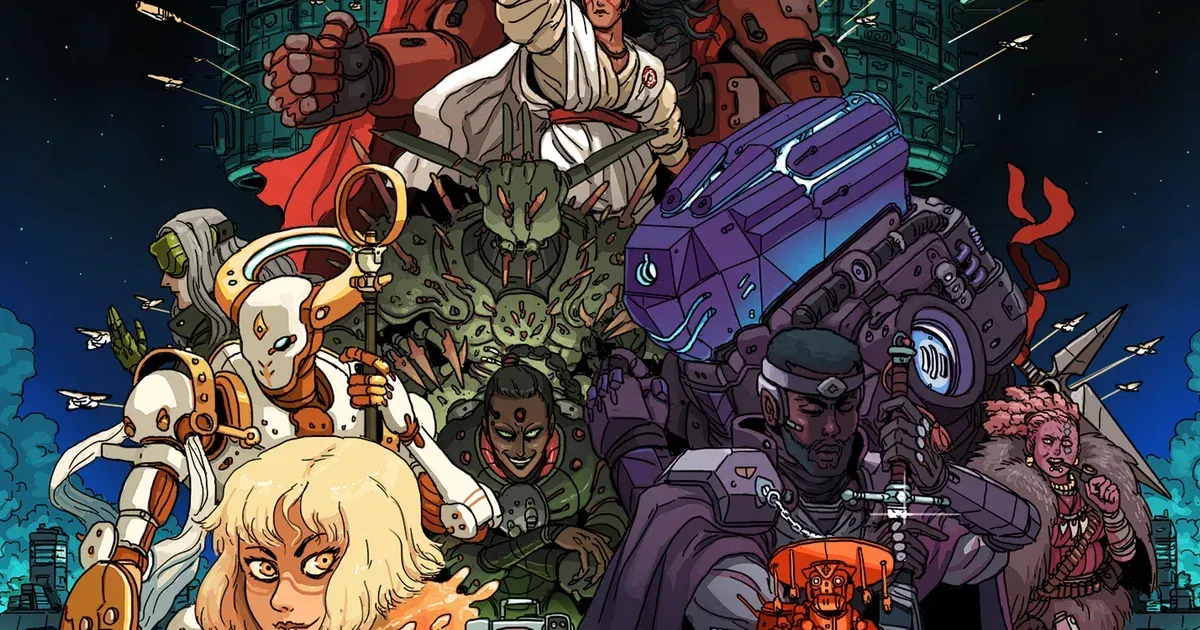
For many gamers, the digital landscape of Steam is less a simple store and more a curated library of potential worlds. It’s a place where developers spend years honing concepts, leaving behind fascinating projects that wait patiently for release. I often use the wishlisting feature not just to track games I want to play, but to bookmark entire design philosophies and genres that capture my attention.
My core interests gravitate toward mechanics that demand careful planning and tactical execution. I gravitate strongly toward first-person shooters, deckbuilders, and deep strategy games. This preference naturally leads to an appreciation for titles that blend historical settings with cutting-edge mechanics.
A fascination with mechanical warfare is a key driver. Whether it’s the appeal of mechs as enemies or the historical depth of settings like 18th-century conflict, there is a particular draw toward games that explore complex military scenarios. Titles like Anvil Empires demonstrate the enduring appeal of persistent, large-scale strategy, prompting a desire for projects that build empires over time.
The spirit of tactical gameplay extends across various genres. From the intricate pixel art of Hull Rupture to the meticulously planned scenarios found in Tom Clancy’s Rainbow Six Tactics, the demand for precision and positioning is palpable. This love for tactics also leads to explorations of unique historical settings, such as the ’70s Southeast Asia backdrop in Kriegsfront Tactics.
Beyond military strategy, the world of sandbox simulation appeals to a desire for systemic complexity. Games like Away Team offer a glimpse into complex systems where managing gas, liquid, and temperature dictates survival, mirroring the systemic depth found in games like Space Station 14.
This thematic blend also includes a love for retro-inspired, yet modern, challenging gameplay. The pulpy fun of bullet-hell roguelikes, exemplified by Enter the Gungeon 2, proves that pure, unapologetic gameplay mechanics still hold immense appeal. Similarly, the exploration of last-turn-based horror in Wane combines fabulous art direction with unsettling psychological elements.
The appetite for innovation doesn’t stop at pure action; it extends into creative management. The notion of running an MMO studio in Let’s Build a Dungeon suggests a deep interest in the intricate, often strange, details that exist at the intersection of game design and world-building. This curiosity drives a continuous search for projects that challenge conventional boundaries, offering everything from complex management sims to deep RPG maker derivatives like Lancer Tactics.
Buy on Amazon
Credit
