14 Days in Dragon Shelter Dragons Bake Pies
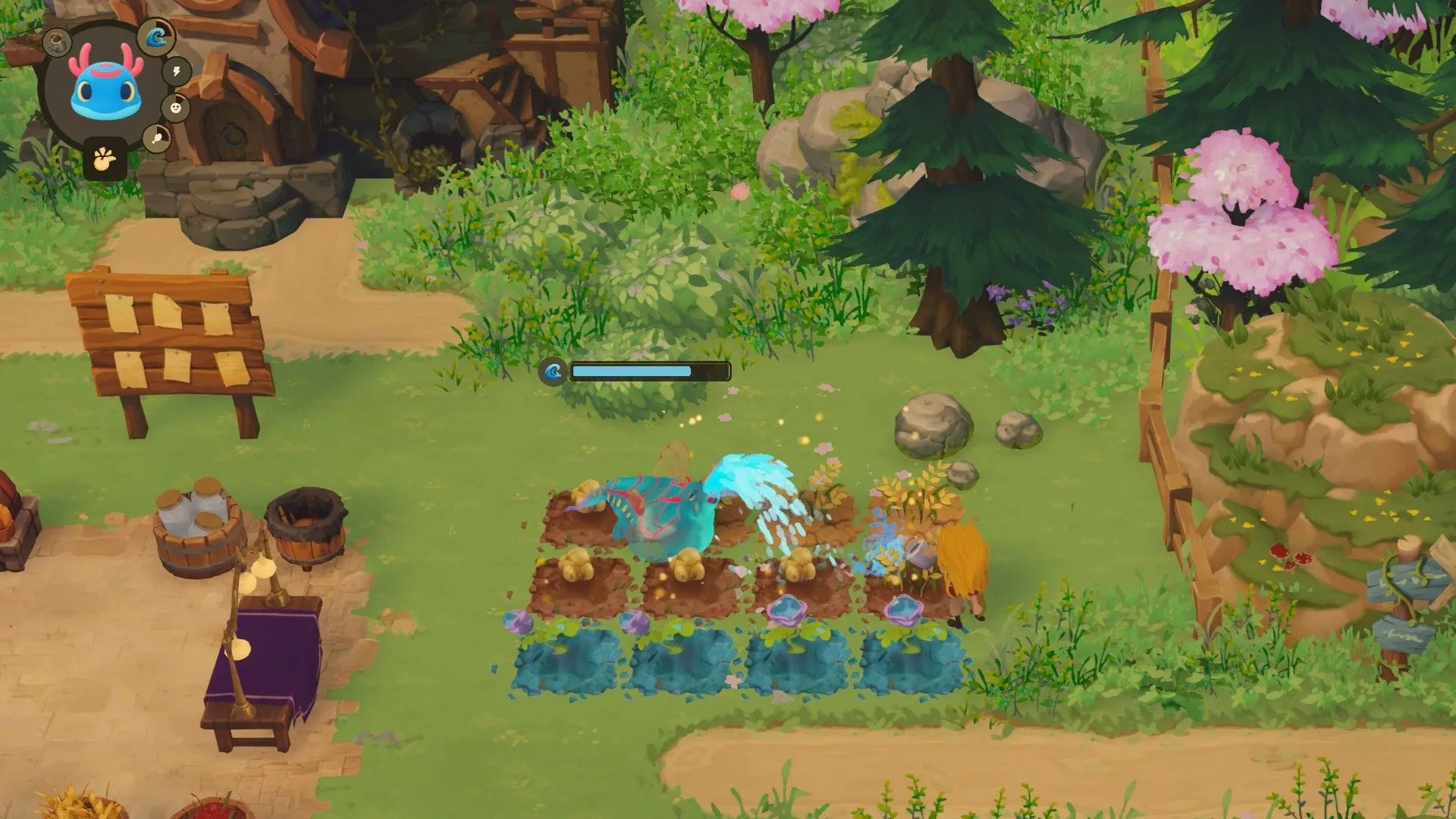
There are games that offer endless complexity, and then there are those that offer a beautiful, slightly chaotic escape. Recently, a journey took me to a quaint, overgrown cottage where the only things I was expected to master were growing seeds, chopping wood, and befriending a very opinionated dragon. This was the experience of diving into the world of Dragon Shelter, a game that manages to balance charming aesthetics with a deeply satisfying, if sometimes baffling, farm simulation experience.
The initial days were a crash course in survival, quickly introducing the core loop of the game. Day one was spent figuring out where to start—a simple task punctuated by tutorial popups and the growing realization that mastering the interface was half the battle. As I learned to manage resources and acquire basic tools, the game set the stage for the messy, rewarding work that lay ahead.
Soon, the focus shifted to the necessities of farm life. With free seeds appearing in abundance, the goal became practical: gathering berries, chopping trees, and planting wheat. This phase introduced the satisfying rhythm of resource management, proving that even simple chores can be deeply engaging when tied to a productive system.
As the project grew, the game’s mechanics began to reveal their true personality. While the tool animations were smooth, the interface presented a curious dichotomy: essential information, like which seeds grew in which seasons, were tucked away in tooltips, forcing players to seek out the details, which is a design choice that rewards keen observation.
The true creative explosion came with the addition of cooking. I transformed a section of my yard into an outdoor kitchen, equipped with a cauldron and oven. The process of queuing recipes felt less like a frustrating chore and more like a genuine culinary endeavor. Watching the visual steps unfold—from picking berries to placing the cauldron on the fire—provided an easy-to-follow, enjoyable experience, free from the stress of real-time minigames.
Amidst the rustic charm, the unexpected arrived in the form of a liquid-creature friend. A water dragon emerged from the pond, and our relationship quickly became one of delightful collaboration. Cooking with my dragon was pure whimsy; he would assist in the process, adding water to the cauldron while I gathered the next batch of ingredients. This partnership added an utterly unique layer of companionship to the simulation.
The game seamlessly integrated these interactions into the larger world. Villagers, though wonderfully sad, offered quests and gifts, prompting me to seek out new goals and deepen my connection with the community. Whether repairing a dovecote for the mayor or helping the new rancher with his watering dish, the world expanded far beyond the confines of my immediate farm property.
As the weeks progressed, the experience solidified into a delightful, low-pressure routine. The focus shifted from frantic progress to the satisfying flow of daily tasks: watering crops, selling produce, and cooking meals. Although the world felt smaller than some might have expected, the novelty lay not in massive scale but in the focused, cozy atmosphere built around the dragon and the evolving needs of the small, sad village.
Dragon Shelter ultimately proves to be a game that champions atmosphere and connection over intense, competitive profit-seeking. It offers a wonderfully wholesome experience where the main reward is the joy of building something, making friends, and enjoying the simple, sweet vibes of a fantastical world that is simply good.
Buy on Amazon
Credit
