20 Anime Figures Inside My PC Thermal Test
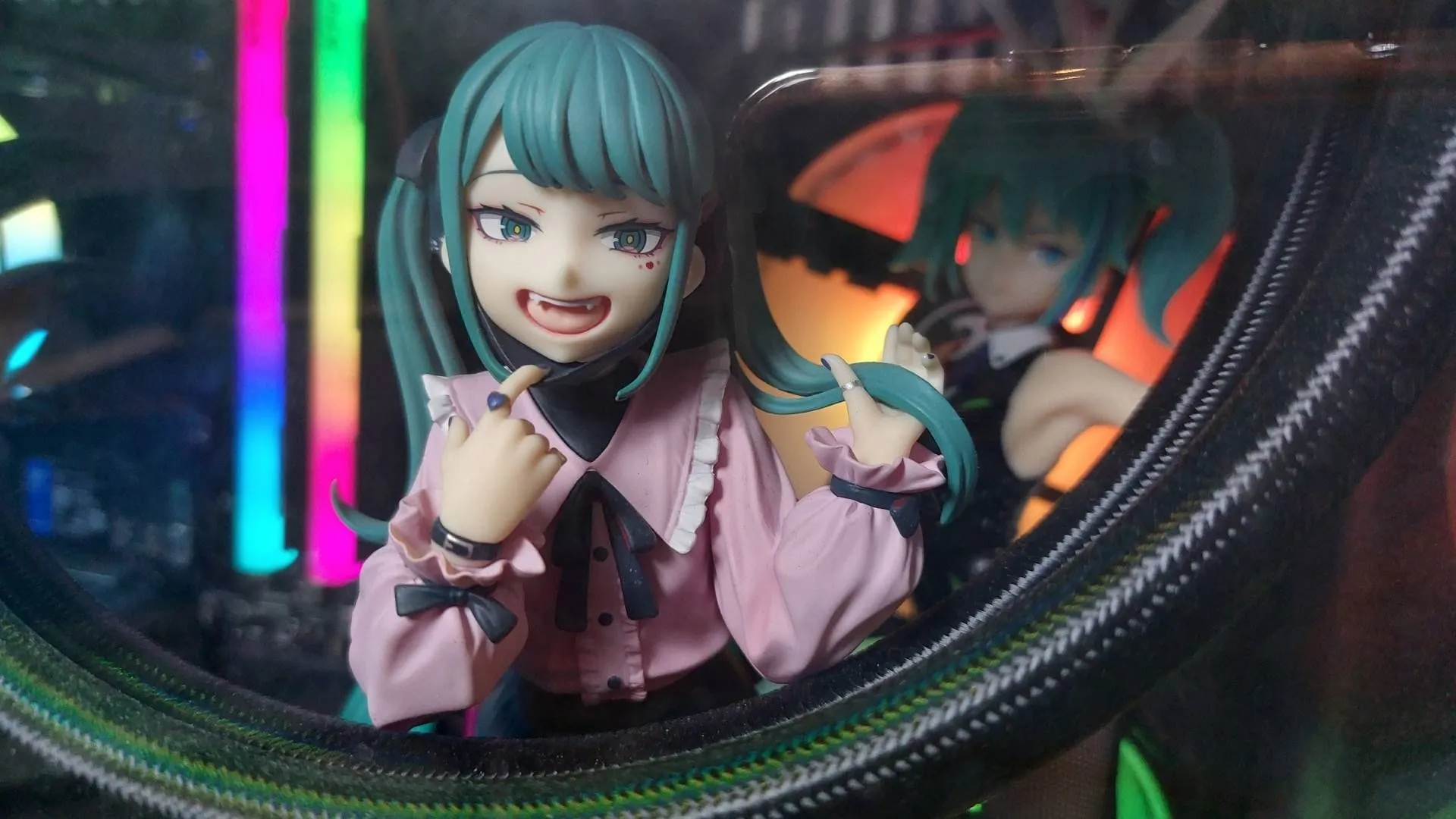
When you spend countless hours optimizing your gaming rig, you naturally start wondering: what else can you cram into that box? For some, the answer involves a deep love for anime. I decided to test the limits of this curiosity by attempting the impossible: filling a high-performance gaming PC with collectible figurines and monitoring the resulting performance. It sounds utterly ridiculous, but the pursuit of data often leads to the most surprising discoveries.
The experiment kicked off with a solid baseline: an iBuyPower RDY Y40 system running an RTX 4070 Super. Under ideal, empty conditions, the system was running cool, maintaining an ambient temperature of about 34°C (93.2°F). When subjected to a heavy load in FurMark 2, the GPU temperatures were impressively stable, hitting around 83°C (181.4°F) under 100% load. This established the clean, unrestricted performance benchmark.
The hypothesis was simple: introducing plastic and physical objects into the case would inevitably choke the airflow and degrade the system’s performance. We started small, placing just one figurine inside. The initial thermal response was negligible, showing only minor fluctuations as the machine adjusted, proving that the system was far more resilient than many of us assume. The temperature remained remarkably consistent, quickly returning to the original ambient temperature after each test.
As we gradually increased the density, adding up to twenty figures of various sizes—including some taller characters that demanded significant real estate—the performance data told a fascinating story. Despite the physical presence of the collectibles, the benchmark scores remained surprisingly steady. For the 1080p test, the average frame rate peaked at 198 fps when the case was full, suggesting that the presence of the plastic did not actively hinder graphical output.
Interestingly, the 1440p performance also showed resilience. Even when the figure count reached eight, the frame rate stayed remarkably consistent, hovering around 130 to 132 fps. This outcome suggests that while physical space is a factor, the thermal and processing constraints of the hardware ultimately proved more dominant than the presence of the plastic itself.
However, the experiment quickly shifted from pure performance metrics to the practical reality of physical space and airflow. The challenge wasn’t processing power; it was geometry. Taller figures, like those in the 30 cm range, demanded more vertical space, making it difficult to organize them without compromising the flow of air around the critical components. Attempts to stack the figures led to precarious arrangements, and around the eight-figure mark, the physical packing started causing audible noise, as plastic collided with spinning fans. It became clear that while the PC components could handle the weight, the physical constraints of the case were the true bottleneck.
Ultimately, the takeaway isn’t about whether you can fit a few anime figures into your case; it’s about the physics of packing. The experiment demonstrates that while you can certainly fill your PC with beloved characters, the biggest hurdle is not thermal throttling, but managing the spatial demands of your collection. It turns out, even the most dedicated figurine enthusiast needs to prioritize airflow and thoughtful space management over sheer volume.
Buy on Amazon
Credit
