25 Years Since the iPod Debut
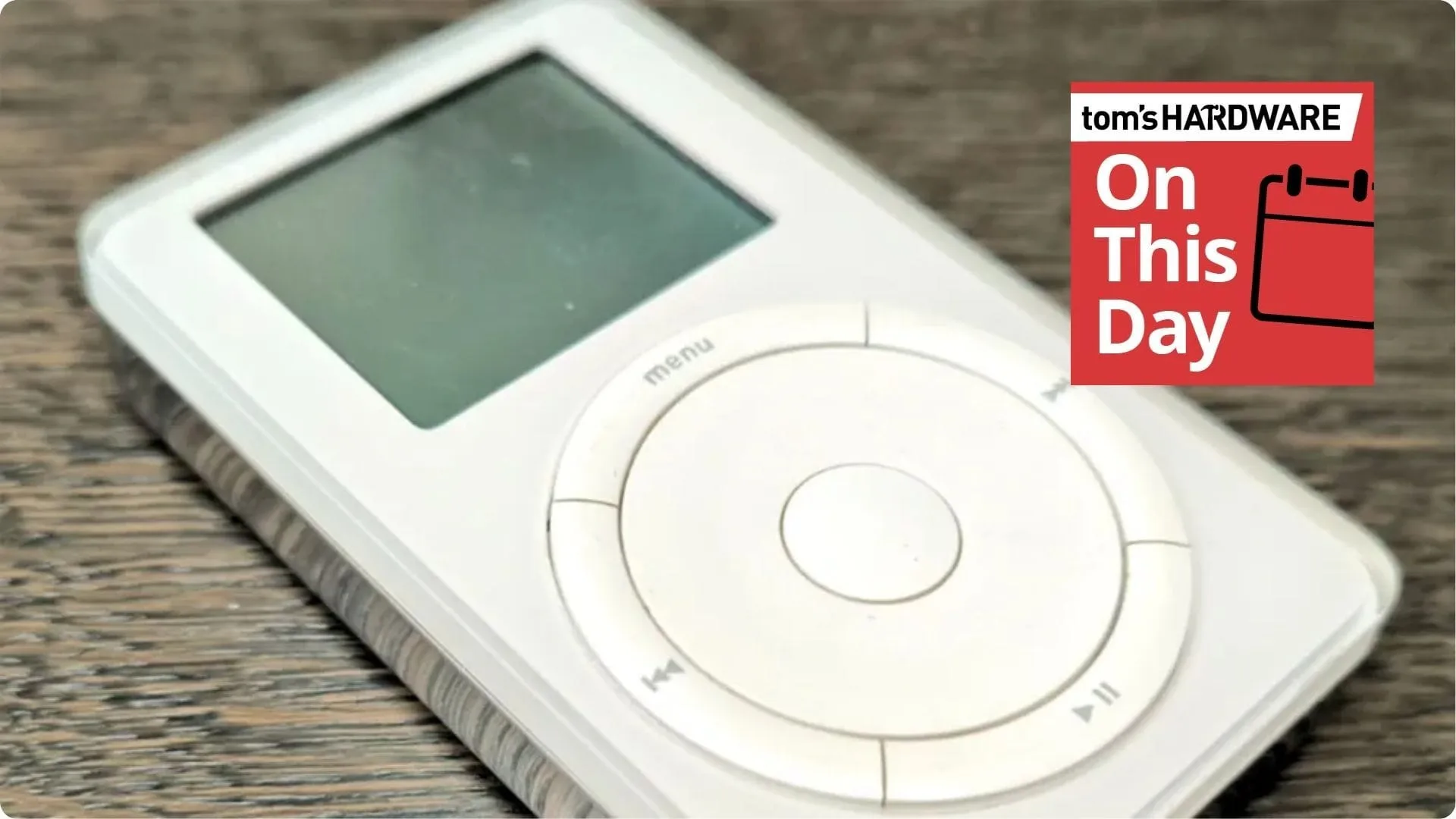
In the year 2001, the digital landscape was ripe for disruption, but very few anticipated the seismic shift that would redefine personal entertainment. On this momentous day, Apple CEO Steve Jobs unveiled the original iPod. It wasn’t just a new gadget; it was a declaration that technology could be elegant, portable, and deeply personal.
Jobs began the presentation by hinting at a revolution, promising a breakthrough digital device that was decidedly not a Mac. The vision extended far beyond simple music playback; Jobs envisioned a device that would become the central hub of a digital lifestyle, uniting everything from cameras and DVD players to the portable music player. He famously predicted that the Mac could become the center of this digital universe, and the iPod was set to be the perfect accessory for that vision.
The core promise of the iPod was simple yet revolutionary: allow users to carry their entire music library in their pocket for a mere $399. This goal tapped into a massive, untapped market, especially as the dot-com bubble burst and consumers sought tangible, high-quality digital experiences.
Before the iPod arrived, portable digital music solutions existed, but they lacked the magic. Competitors like Sony and Creative offered players, but none had truly found the recipe for delivering digital music effectively. Jobs recognized this gap, positioning the iPod not just as another player, but as the definitive answer to how people should experience music on the go.
The iPod delivered on this promise by seamlessly merging superior design with groundbreaking functionality. It was intentionally crafted to be ultra-portable—the size of a deck of cards, weighing just 6.5 ounces and lighter than most cell phones. This compact form factor was a triumph of engineering, enabled by Toshiba’s ultra-compact hard drive technology.
Beyond its elegant size, the iPod packed advanced features. It offered CD-quality sound and could handle all major audio formats like MP3 and WAV. With a 5GB capacity, it could hold up to 1,000 songs, perfectly catering to the average listener’s entire collection. But the true innovation lay in the seamless integration of software and hardware.
The experience was further refined by a unique interface that prioritized ease of use. Jobs designed controls that were single-hand friendly, featuring an accelerated scroll wheel that provided tactile feedback. This intuitive design allowed users to instantly navigate playlists, artists, and songs, making complex digital organization feel effortless.
One of the most brilliant features was the Auto-Sync capability, which linked the iPod directly to the newly launched iTunes software. Users could curate their music libraries on their Mac, and those selections would automatically sync to the pocket player, turning the device into a living extension of the user’s digital life. Furthermore, the iPod doubled as a FireWire hard drive, offering blazing-fast data transfer speeds that could move an entire CD in mere seconds.
Powered by a rechargeable lithium-polymer battery, the iPod offered up to ten hours of continuous music playback, with the ability to recharge to 80% in just one hour. It was a marriage of aesthetic brilliance and technical prowess, setting an unmatched standard for portable technology. Although the iPod line eventually evolved, its influence and innovation paved the way for future devices, including the eventual launch of the first iPhone just five years later.
Credit
