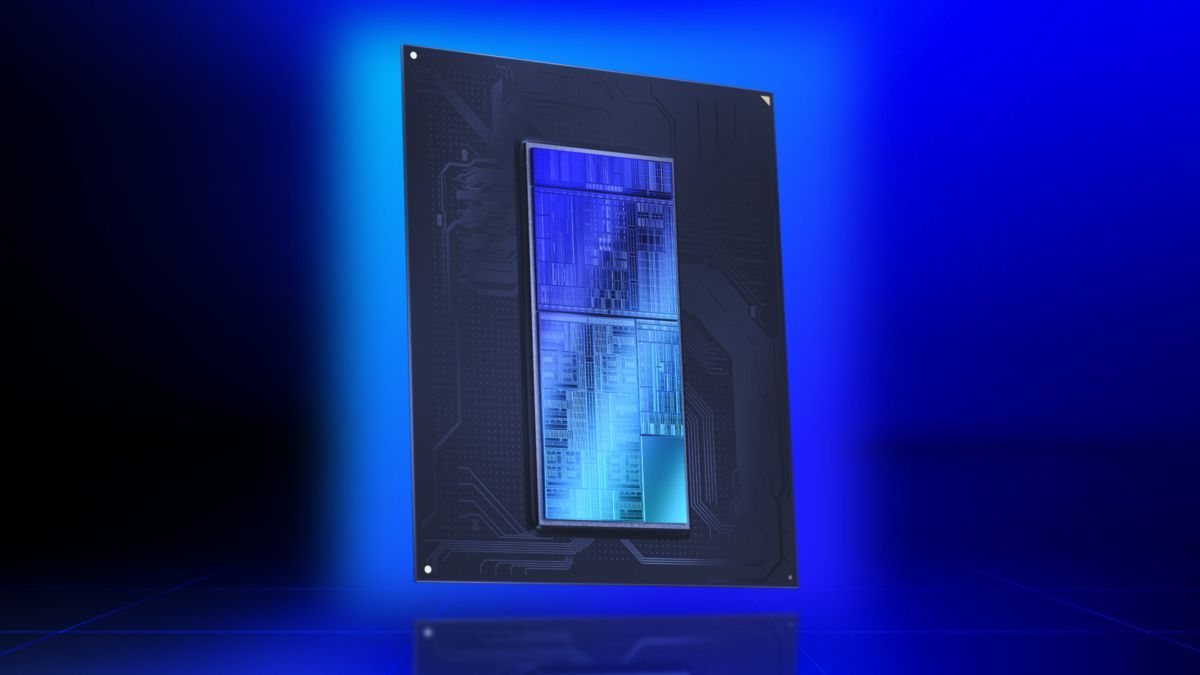
Intel is signaling a significant shift in its processor strategy with the upcoming Dunlow platform, a project codenamed to redefine entry-level server and workstation applications. This new architecture promises to introduce processors based on the Xeon 6300P-series, setting up a competitive landscape that bridges the gap between high-end desktop performance and enterprise requirements.
The Dunlow platform is engineered around a specific set of specifications designed for efficiency and capacity. It will feature up to 28 cores and support a dual-channel memory subsystem, housed in an LGA1954 form factor with a modest processor base power of 95W. This design focuses squarely on delivering robust performance without the extreme demands seen in enthusiast desktop systems.
This move creates an intriguing contrast when placed next to Intel’s consumer-focused desktop line, codenamed Nova Lake-S. The Nova Lake-S CPUs are reportedly aimed at enthusiasts and promise a much more aggressive core count, potentially featuring up to 52 cores, including high-performance Coyote Cove cores alongside energy-efficient Arctic Wolf cores within the compute tile.
The distinction in design philosophy is stark. While desktop chips chase raw power, aiming for peak performance in demanding applications and pushing TDPs up to 474W, the Dunlow platform opts for a more deliberate core count of 28 P-cores with a lower 95W base power. This difference suggests Intel is tailoring silicon specifically for the server and workstation segment rather than simply replicating desktop prowess.
Experts are analyzing why this specific configuration was chosen. Building on prior design trends, incorporating 28 cores does not align naturally with standard desktop or even notebook-grade designs, which typically feature a mix of P-cores and E-cores. Furthermore, Intel generally avoids fusing nearly half a desktop die into server products, suggesting the Dunlow architecture is an entirely unique approach.
This tailored design may stem from a necessity to bridge a widening performance gap. As high-end Xeon processors with complex memory subsystems become increasingly expensive, and as options like the ‘Diamond Rapids‘ octa-channel solutions are canceled, there is a critical need for a viable alternative in 2028.
The Dunlow platform, with its 28 P-cores and dual-channel memory, offers a potential sweet spot. It provides substantial core count necessary for demanding server tasks while avoiding the complexity and cost associated with over-specifying memory bandwidth that many standard applications do not require. It represents Intel’s strategic attempt to fill the chasm between enthusiast desktop hardware and high-end enterprise solutions.
Credit: Tom’s Hardware
