300 Bans Only Delay 3 US Data Center Projects
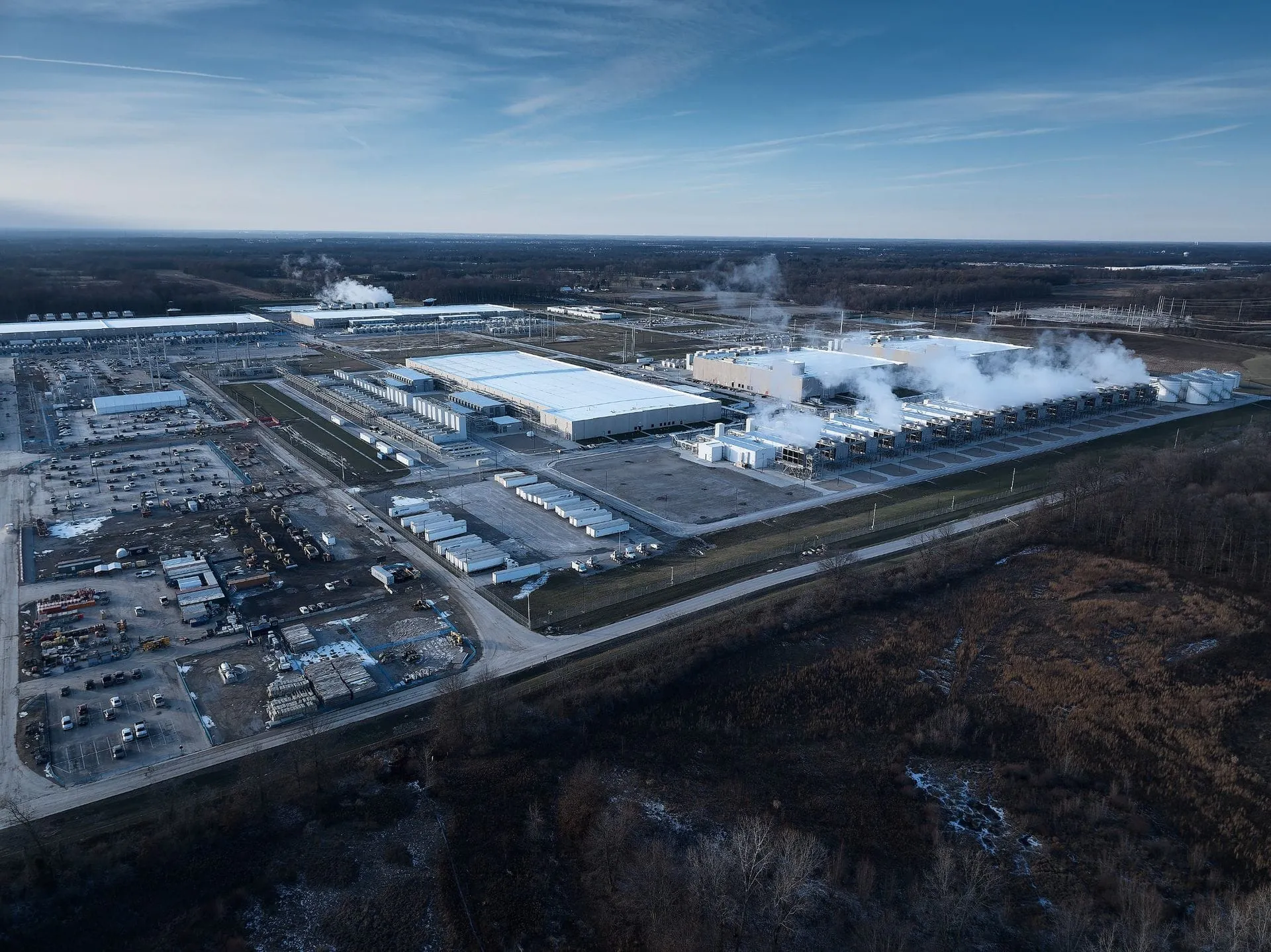
The regulatory landscape surrounding massive data center construction is often painted as a tug-of-war between industry expansion and local opposition. But when the numbers are crunched, the story of local moratoriums might be less dramatic than the headlines suggest.
While local legal pauses are in effect across numerous states, they are not halting the massive flow of data center development. Analysts tracking the industry find that out of the total potential gigawatts being planned, only a tiny fraction are actually stalled. Specifically, only about 2.3 gigawatts out of the estimated 21 gigawatts of data center projects located in moratorium areas are likely to be delayed. This means that despite the regulatory friction, a total of 38 gigawatts of data center IT capacity is still projected to come online next year.
So, are these local freezes truly stopping the buildout? The short answer, according to industry analysis, is no. The fundamental reason lies in how these moratoriums operate. They are generally temporary legal pauses—a “freeze on accepting new applications”—but they often miss the mark when attempting to alter timelines. For a moratorium to successfully delay a project, it must navigate a complex web of conditions, including ensuring the land is accessible, the timeline overlaps the freeze, and local authorities have the power to enforce the pause without interfering with existing permits or equipment lead times.
This complexity means that moratoriums act more like bark than bite. Capacity already under construction or fully permitted remains unaffected, and existing approvals are not automatically revoked. For example, in states like Michigan, where numerous local moratoriums are in place, the pipeline of potential projects remains largely exposed, as some sites are already zoned for industrial use.
The real impact of these regulatory actions seems to be less about stopping the construction that is already underway and more about deterring newer projects from starting. While these pauses don’t halt the overall trend, they certainly add another layer of complexity to an already demanding development environment. To meaningfully alter the trajectory of the data center buildout, experts suggest that moratoriums would need to be significantly more widespread and restrictive to exert the kind of influence necessary to change the timeline.
Buy on Amazon
Credit
