32GB RAM takes over Steam’s user base what’s next
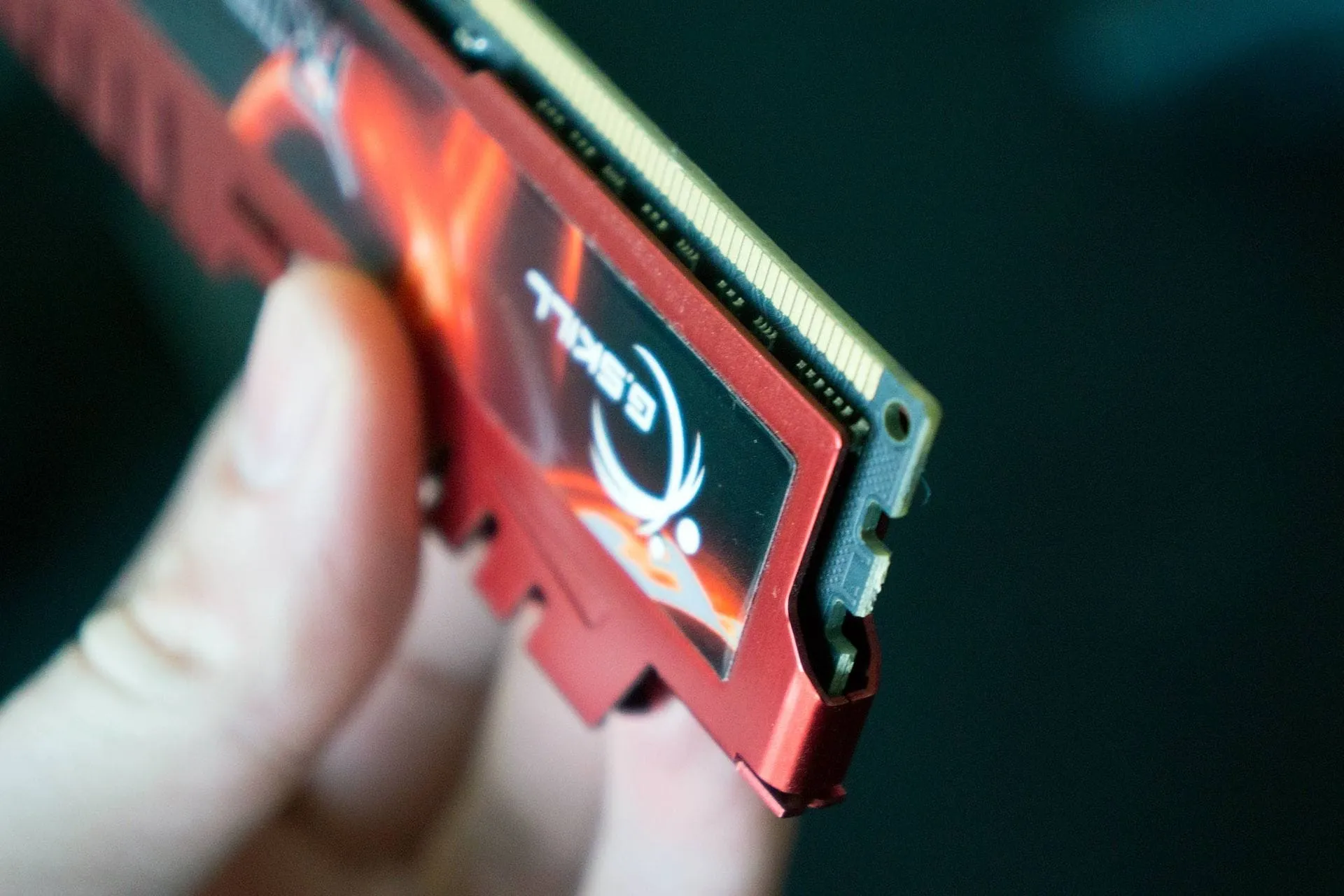
The relentless pressure of artificial intelligence on component markets is making high-end hardware prices a constant headache. Yet, amidst this economic strain, a fascinating story is unfolding in the PC gaming community, particularly when analyzing user hardware preferences. The latest data from Steam’s hardware survey reveals shifts that are far more dynamic than we usually expect, suggesting major forces are reshaping how gamers build and play.
A deep dive into the System RAM section highlights a significant migration in user demand. While larger segments like 24GB and 48GB saw modest growth, the systems rocking 32GB of RAM experienced a remarkable surge, climbing by 4.77% in September. This trend propelled 32GB systems to account for 42.22% of all polled Steam users, signaling a strong preference for increased memory capacity in the current landscape.
This dramatic growth in the 32GB segment had an immediate ripple effect. Consequently, the segment housing 16GB of RAM saw a dip, falling by 3.38% to settle at 37.82% overall. This swing effectively placed the 32GB category firmly in the lead, challenging the traditional space once occupied by 16GB configurations.
The trend isn’t limited to memory. Other hardware categories also showed notable activity in the September survey. For instance, the adoption of high-end NVIDIA GPUs continued its ascent: the NVIDIA RTX 5070 led the charge with a massive 2.30% increase, reaching 5.86% of users, closely followed by the RTX 5060 Ti, which grew by 1.46% to hit 3.87% overall.
Beyond graphics, other peripheral categories also saw substantial increases. Users showed a strong appetite for increased storage, with total hard drive space above 1TB rising by 3.79%. Similarly, the demand for higher resolution displays continued to climb, with 1440p displays increasing by 5.18%.
These large segment swings across the survey data suggest that something is moving beneath the surface of typical market expectations. The volatility indicates that the dynamics of the PC building world are currently being driven by factors beyond simple component availability.
One prominent observation centers on user demographics. The Language section of the survey noted an increase in the share of Simplified Chinese users by 7.42% in the same month. This influx of new players, potentially bringing high-end system requirements, may be contributing to the observed shifts in hardware preferences.
While the economic reality of RAM prices remains stubbornly high, even during promotions like Amazon’s Prime Big Deal Days, these market movements point toward deeper shifts in consumer behavior. Whether this is driven by an influx of new players or other unseen forces in the PC building ecosystem remains an open question, but it is clear that the landscape is evolving rapidly.
Buy on Amazon
Credit
