360 Hz is the sweet spot for competitive FPS
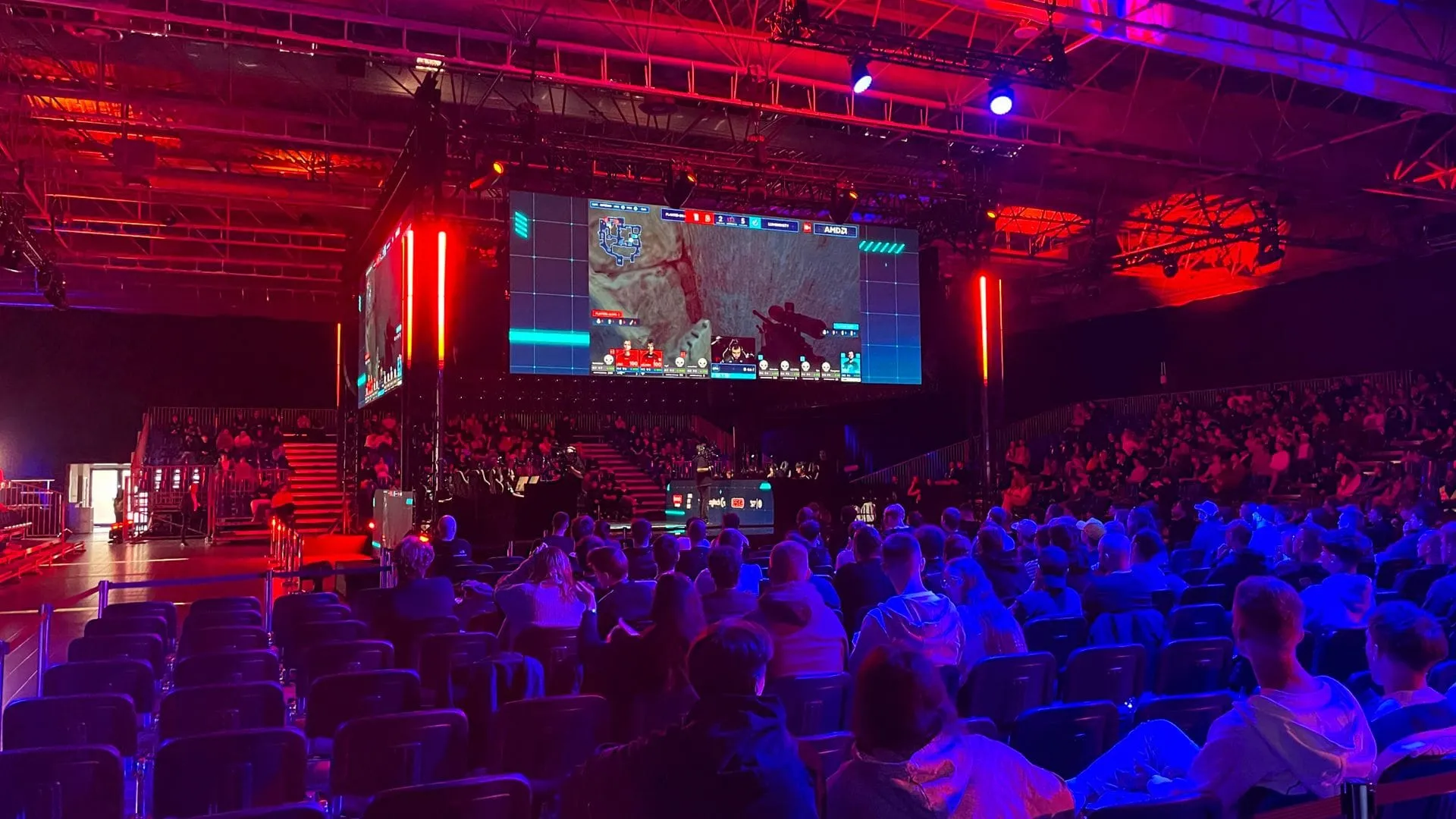
In the high-stakes world of competitive First-Person Shooters, where milliseconds dictate victory, the debate over monitor refresh rates often spirals into complex technical arguments. Recently, a deep dive into this matter brought the perspective of elite players into focus, challenging long-held assumptions about the ideal screen experience for competitive FPS.
The core of the discussion centered on whether pushing refresh rates to the extreme truly yields competitive advantages. One compelling theory suggests that while higher numbers sound appealing, the actual performance gains eventually plateau.
To test this theory, the author spoke with professional players, including those on the Luminosity team, about their experiences with ultra-high refresh screens. The insights gathered provided a fresh perspective on what truly matters in a high-performance gaming environment.
One player noted that the transition from standard rates to extremely high refresh rates changes perception. While some players found the difference subtle, others felt the impact was undeniable. The consensus leaned toward finding the balance where performance and visual fidelity intersect.
When discussing specific refresh rates, the conversation revealed a nuanced view. Some players felt that rates like 360 Hz offered the most significant boost without unnecessary strain, while others suggested that further increases, such as 400 Hz or 600 Hz, offered diminishing returns, especially when system limitations prevent reaching those theoretical frame counts.
Beyond the refresh rate itself, other hardware and technology played a critical role. The importance of anti-ghosting technology, such as Zowie‘s DyAc system, was highlighted. This technology reportedly improves motion clarity by ensuring that the edges of moving players are rendered more noticeably, which is crucial for competitive precision.
This focus on clarity extended to the display technology itself. Some advanced panels utilize proprietary features, like backlight strobing, designed to enhance motion, although these features often prove to be overkill for general use. This suggests that while the technology exists, the practical benefit for a competitive player often comes down to consistent, responsive performance.
Ultimately, the discussion led to a conclusion that while the pursuit of the absolute highest refresh rate is tempting, the true “sweet spot” for competitive FPS lies in a rate that balances responsiveness with achievable frame rates. For many, a refresh rate around 360 Hz proves to be the optimal equilibrium for achieving a flawless, competitive edge.
Buy on Amazon
Credit
