3D-printed jet aircraft flies to Mach 0.8 world record
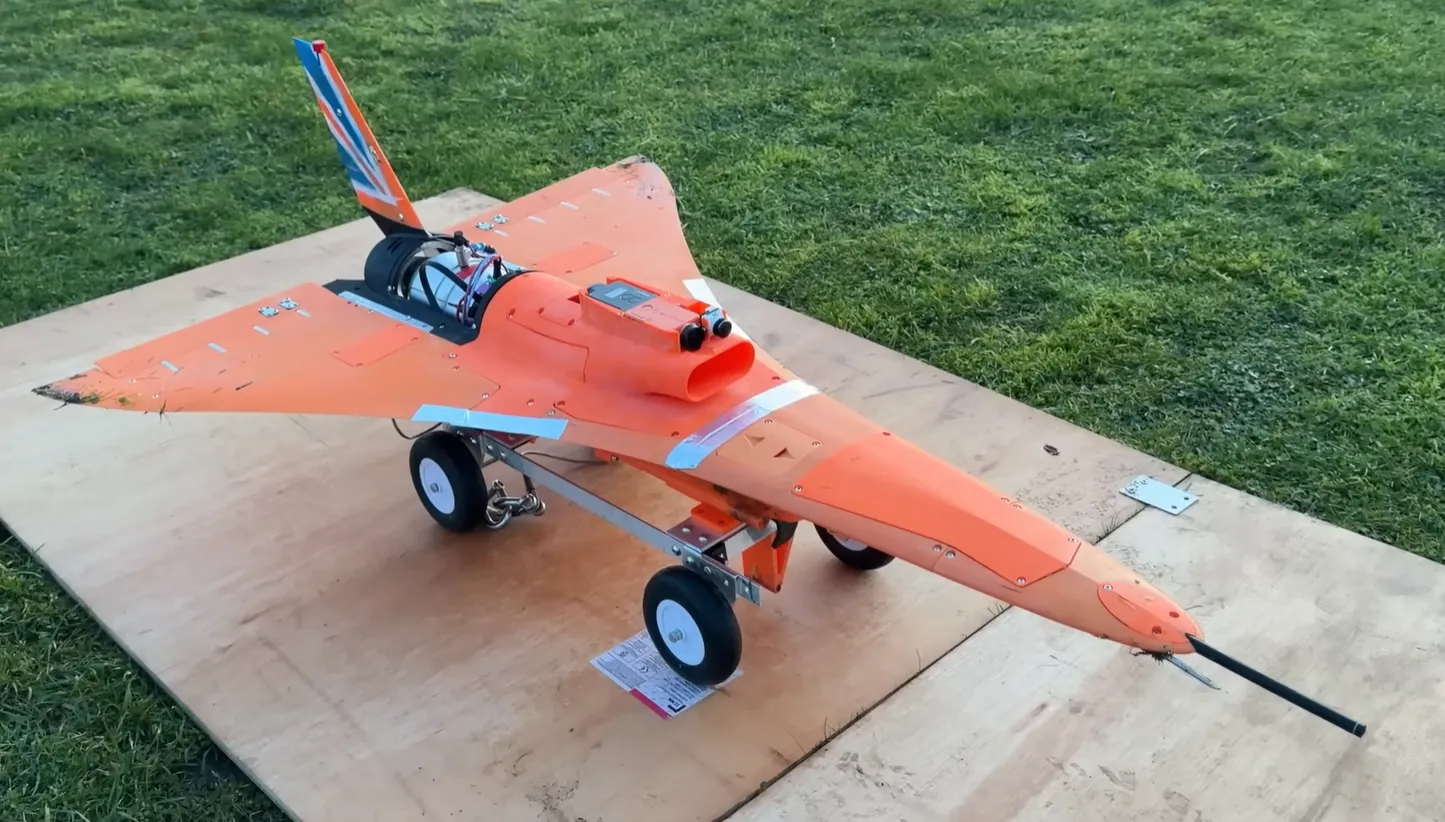
The quest for speed and innovation has taken flight in the world of additive manufacturing, driven by a team determined to redefine the limits of remote-controlled aviation. They are tackling the Mach Initiative, aiming to shatter the current Guinness World Record for the world speed record by designing and building a jet-powered aircraft.
The ambition began with a smaller, experimental prototype called the Kinglet. This initial model served as a proving ground, utilizing materials like PETG and PET-CF, and testing concepts using an Electric Ducted Fan (EDF) rather than a jet turbine. The Kinglet’s modular design allowed the team to rapidly iterate on the design, easily replacing components as they tested the boundaries of flight.
As they scaled up their vision, they moved to the Kingfisher, a slightly larger aircraft that incorporated a miniature jet turbine engine. While the goal of the Mach Initiative was to achieve flight using a jet engine, the team initially found that current engine technology was insufficient for breaking the record. This phase taught them the crucial lessons of larger scale and immense forces involved in high-speed flight.
The evolution led to the final, ambitious design: the Kingchaser. This aircraft, measuring just under a meter, represents a significant leap in engineering. To handle the massive forces required, the team had to overhaul the construction, making smart material choices and structural modifications.
Instead of using annealed PET-CF for the engine housing, they switched to PPS-CF to prevent warping caused by uneven heating during the 3D printing process. The Kingchaser is a triumph of material science, reinforced with aluminum and steel mounting hardware, while the main body remains constructed from PETG.
To further optimize performance and minimize weight, the team replaced the aluminum skeleton with carbon fiber rods, a decision that not only saved weight but also reduced the need for custom-machined parts.
The Kingchaser is not just a physical achievement; it is an exercise in comprehensive systems integration. The aircraft is equipped with a fully instrumented avionics system, including an FPV setup for precise piloting at high speeds, ensuring that the pursuit of Mach 0.8 is balanced by sophisticated control technology.
Though the exact date for the record attempt remains under wraps, the Mach Initiative continues to share their entertaining build logs and engineering insights, inviting the wider community to follow this thrilling journey into the future of high-speed flight.
Buy on Amazon
Credit
