3D-printed motors power low-cost cruise missiles
Printing the Future of Warfare: How 3D Technology is Revolutionizing Defense
The battlefield is evolving, and the tools being developed to fight modern conflict are no longer constrained by the limits of traditional manufacturing. A powerful synergy between additive manufacturing (3D printing) and defense technology is rapidly reshaping how weapons are designed, produced, and deployed, promising a future where cost-effectiveness and speed dictate military advantage.
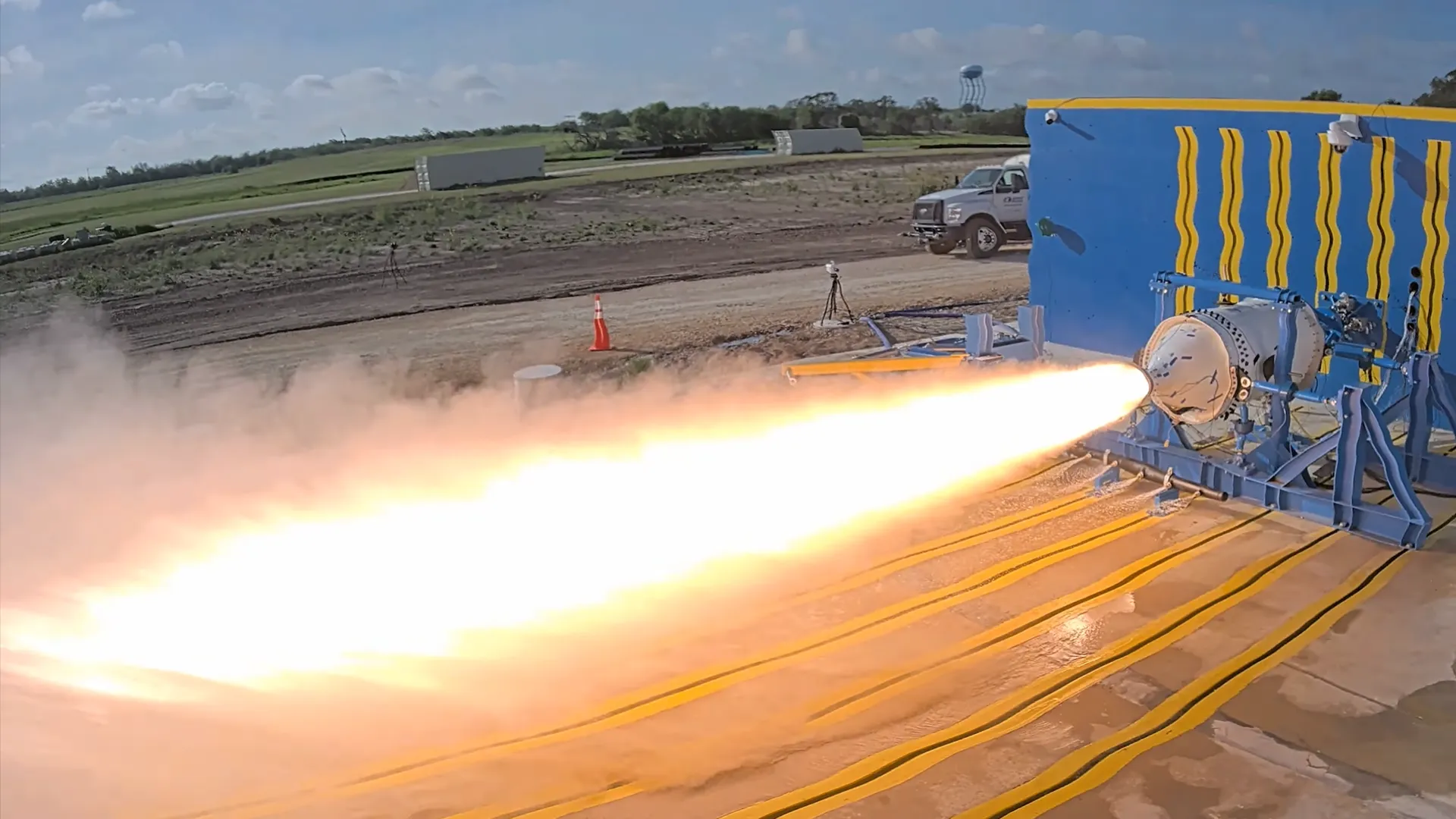
At the forefront of this revolution is X-Bow Systems, a company specializing in solid rocket motors (SRMs) manufactured through additive methods. X-Bow has recently cemented a major partnership with Leidos to develop and build rocket boosters for the U.S. Army’s ambitious Low-Cost Containerized Munition (LCCM) project. This initiative, a core component of the Department of War’s “Arsenal of Freedom” program, aims to fundamentally rebuild and modernize the nation’s defense industrial base.
X-Bow’s approach is built on a philosophy that prioritizes rapid production and real-world combat readiness. Founder and CEO Jason Hundley argues that in modern conflict, the focus should be on sheer firepower rather than exquisite design. Leveraging 3D printing allows for unprecedented speed; where traditional defense contractors might spend months prototyping and testing rocket motors, X-Bow can create and build new designs in just days. With experience spanning since 2016, the company has already successfully produced over 2,100 combat-ready rocket motors, demonstrating the capability to produce the necessary engines at the scale the U.S. Army demands.
The advantages of 3D printing extend beyond rocket motors. The technology excels at handling complex geometries, which is crucial for advanced components, and it dramatically accelerates the design iteration process. This shift enables smaller groups to innovate faster and deploy more sophisticated solutions.
This innovation is not isolated to rocketry. A vibrant ecosystem of startups is actively pushing the boundaries of what is possible with printed materials. For example, Chromatic 3D Materials successfully completed static-fire testing of 3D-printed rocket propellant earlier this year, while other innovators have been testing similar breakthroughs, including Othisis’s successful demonstration of a cryogenic rocket engine.
The scope of 3D printing in defense is expanding across multiple domains. A recent $30 million contract has been awarded to a startup to prototype 3D-printed jet engines for the U.S. Air Force, focusing on small turbojets for drones and long-range weapons. Simultaneously, the U.S. Navy has begun utilizing 3D printing to build drones and components aboard aircraft carriers, proving that these technologies can be integrated directly into complex operational environments.
On the ground, these innovations are translating into deployable tools. Some U.S. Army units have successfully deployed 3D-printed ‘Dragoon Bombs’ paired with in-house assembled drones for anti-personnel and anti-light-armor missions reaching up to 12 miles. Even hobbyists have taken the initiative, creating DIY MANPADS prototypes using 3D printing and open-source guidance calculations, demonstrating the democratization of advanced technology.
The recent global conflicts, particularly the war in Ukraine, highlighted the immense potential of these technologies. They demonstrated how innovative, adaptable, and distributed systems can be used by smaller forces to withstand the pressures of larger military engagements. This has spurred major military powers, including the United States and Japan, to seriously explore these cost-effective and highly efficient 3D-printed weapons systems for future procurement.
Buy on Amazon
Credit
