40k Sickos: Vote on their strongest beliefs
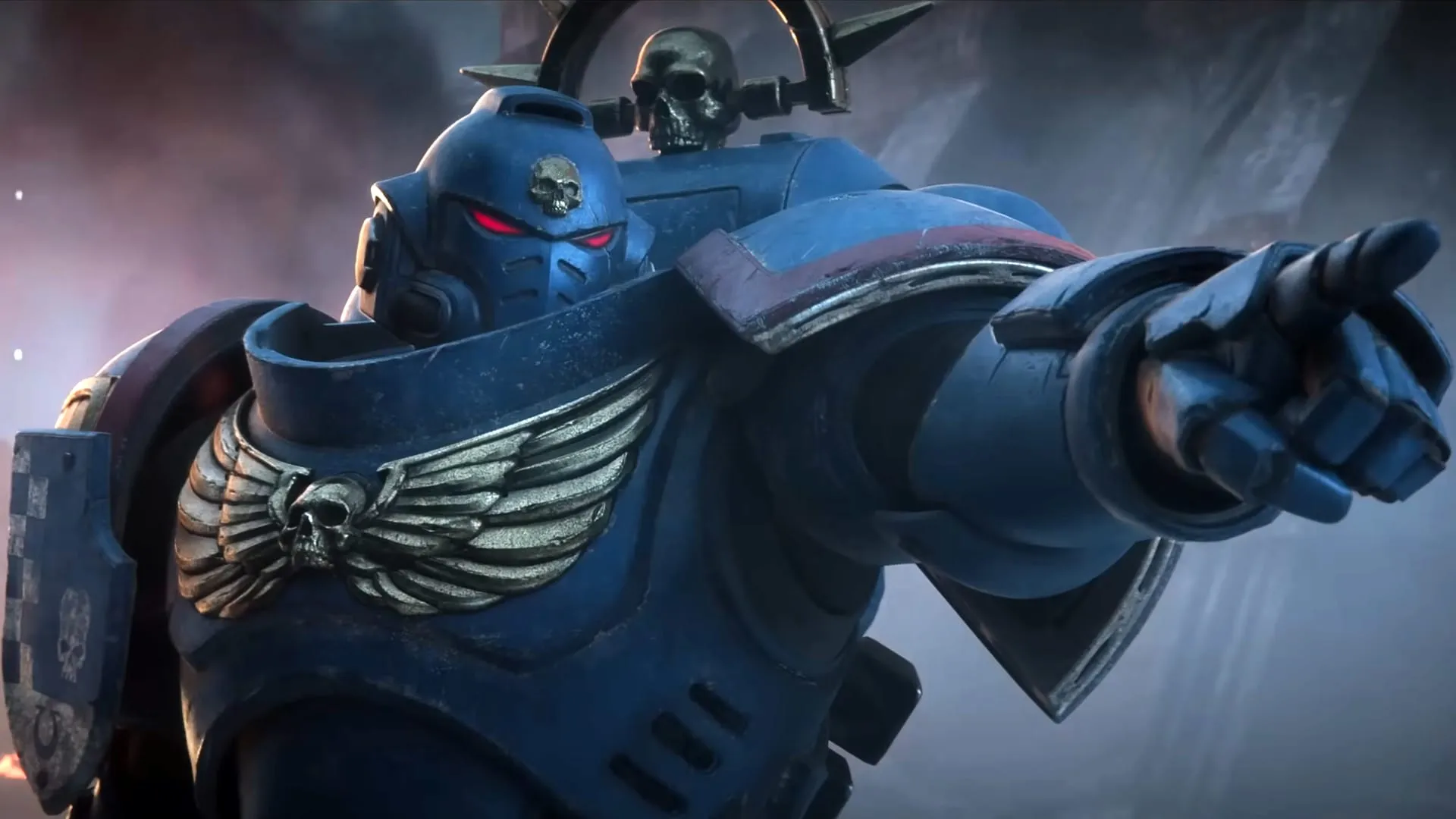
Few franchises manage to infiltrate modern geek culture quite like Warhammer 40,000. It’s everywhere—on bookshelves, in media, and certainly on your PC. Whether you’re stepping on an ork or contemplating the grim darkness of the far future, the setting has cemented itself as a bizarre, sprawling reality. But beneath the scale of galactic warfare lies a fascinating tension: the setting itself is pure, glorious absurdity, yet the adaptations often insist on treating it with the utmost, unwavering seriousness.
Warhammer 40,000 is fundamentally a satire. It is a universe where humanity is ruled by the corpse of psychic Jesus, where space fascists fight space elves, and where the sheer scale of the conflict borders on the wonderfully dumb. It is a setting designed to be laughed at, yet it is often presented with a straight face. This contradiction highlights a crucial opportunity: for adaptations to truly embrace the setting, they need to acknowledge its inherent silliness, letting the absurdity breathe rather than crushing it under layers of grimdark gravitas.
This tension is particularly evident in the gaming landscape. While the setting is ripe for exploration, many of the popular video games lean heavily into rigid strategy. For those who favor the sprawling nature of the lore, the transition from strategy to role-playing is a compelling path. Novels and lore often hint at deeper narrative possibilities than tactical skirmishes allow. This is why many fans seek out the rich tapestry of the 40k novels, which suggest a framework far more conducive to deep character development than pure strategy games.
The game adaptations themselves offer a spectrum of experience. Some titles, like the Space Marine games, deliver impressive aesthetic quality, but they often feel more like chores. The repetition and linear structure can make the experience feel less like an epic adventure and more like an endless grind. The key is finding games that reward curiosity and allow for imaginative exploration, rather than demanding rote repetition.
A different approach emerges when considering the narrative depth offered by the lore. The period known as the Horus Heresy, the catastrophic civil war that set the Imperium on its irrevocable course, provides a visceral, fascinating backdrop. It is the boiling point of millennia of ambition—a perfect moment to witness a great tragedy unfolding. Yet, understanding the entirety of this history is not mandatory for appreciating the setting; the true wonder of 40k lies in allowing the setting to serve as a backdrop for endless curiosity, letting players hop around like tourists discovering a sprawling, bewildering galaxy.
When it comes to media adaptation, there are distinct choices. While some have focused on the melancholic, introspective style of Eisenhorn, others could benefit from a more dynamic narrative approach. Stories like Gaunt’s Ghosts offer a far more human and relatable perspective, echoing classic narratives like Sharpe while incorporating the vital action and dramatic flair of modern television. This approach allows for more intimate character moments alongside the grand scale of the Imperium.
Ultimately, the future of 40k media rests on acknowledging its satirical roots and embracing the potential for narrative experimentation. Whether through richer RPG systems that prioritize story over mechanics, or through television that balances spectacle with soul, the universe of the Imperium is ready to be explored—not just conquered, but truly understood in all its glorious, wonderfully absurd complexity.
Buy on Amazon
Credit
