420 football fields demolished for Google AI data center investigation
The High Cost of the Cloud: Google’s Finland Project Sparks Environmental Debate
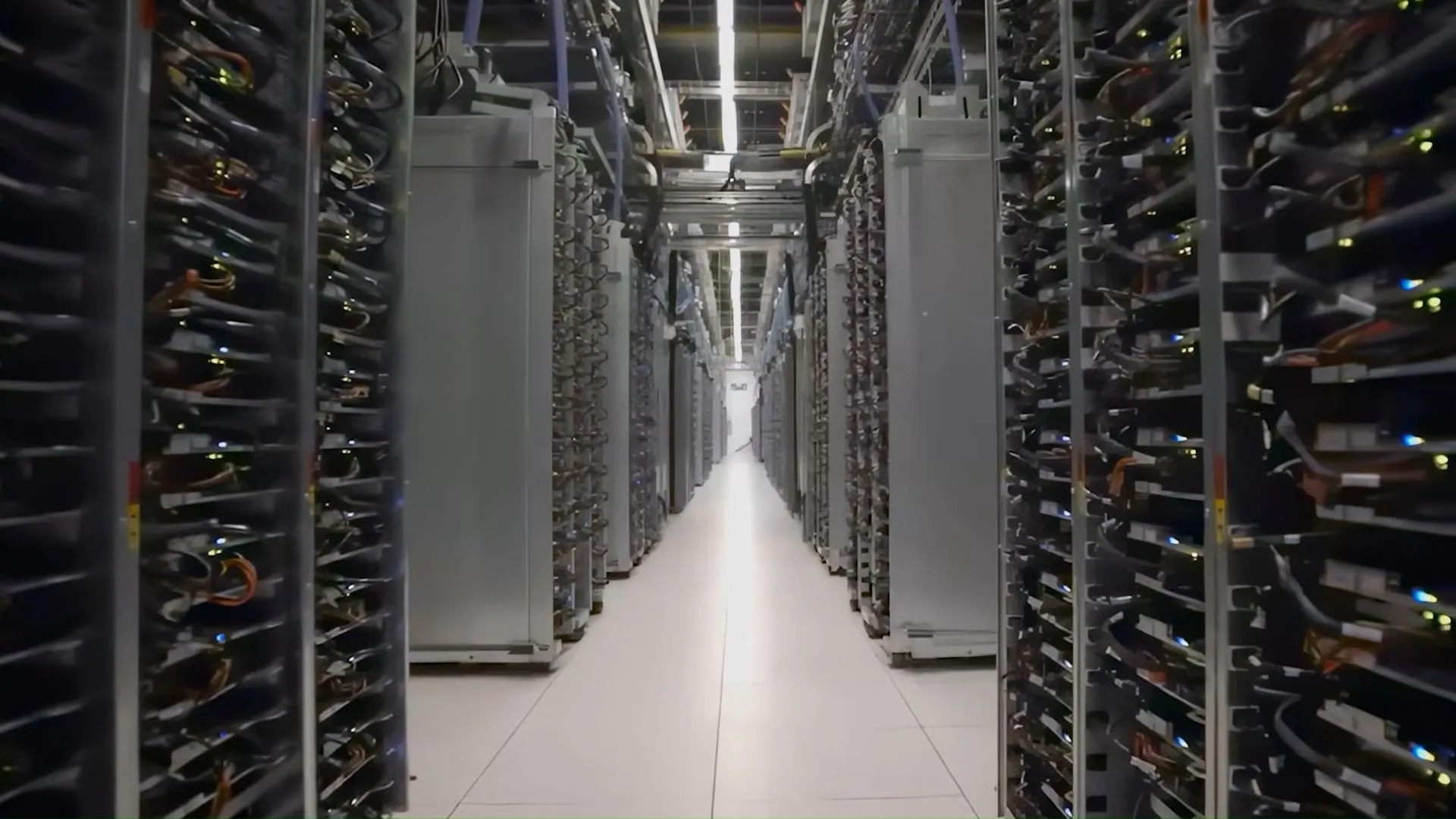
The quest for massive data storage and cutting-edge artificial intelligence is fueling an epic infrastructure race, and the latest frontrunner is Finland. As Google prepares for a colossal data center expansion in the Nordic country, the project is not just about silicon and servers; it is stirring a deep debate about the balance between technological ambition and environmental stewardship.
Finland has long been viewed as an ideal European host for such an undertaking. The country offers a unique blend of assets: a cool climate, stable and cheap energy derived from nuclear, wind, and hydro sources, and an economy grappling with slow growth and high unemployment. For a company like Google, this location presents a compelling solution, positioning data centers as a key step in addressing regional economic woes.
The vision is massive, totaling an investment of 13 billion euros, projected to span the next two years. The expansion is planned across several areas in the north, including Muhos, Kajaani, and Vaala, building upon an existing facility in Hamina. Yet, as the earth is prepared for this digital giant, local residents are raising serious questions about the environmental price of progress.
The controversy centers on the land itself. To facilitate this ambitious expansion, the local operator, Tuike Finland, has cleared over 300 hectares of forest. Concerns immediately arose because reports indicate that trees were felled and ground cleared—enough to cover the footprint of 420 football fields—without obtaining a mandatory environmental impact assessment beforehand.
Environmental groups and local officials have reacted strongly to these actions, demanding a pause in construction. Concerns focus on the impact on local nature preservation areas and the overall stability of the environment. These groups argue that the immense energy demands of hyperscale data centers, coupled with the risk of environmental damage, must be weighed against the promised economic benefits.
Google has defended its actions, maintaining that the tree felling was in compliance with national Forestry Act requirements. Furthermore, the company asserted that measures were taken to protect high-value nature zones within the development sites during the forestry works. Despite these assurances, activists continue to push for clarity and accountability regarding the full environmental footprint of this enormous digital project.
As construction work continues, the tension remains palpable. While the business and political will pushes the project forward, residents are keenly aware of the simmering concerns about energy supply stability and rising power costs that accompany the energy-hungry demands of the digital age. The future of this development will depend on whether technological expansion can be achieved without compromising the natural heritage of the land.
Buy on Amazon
Credit
