$50 3D-printed kits turn guns automatic sold to cops
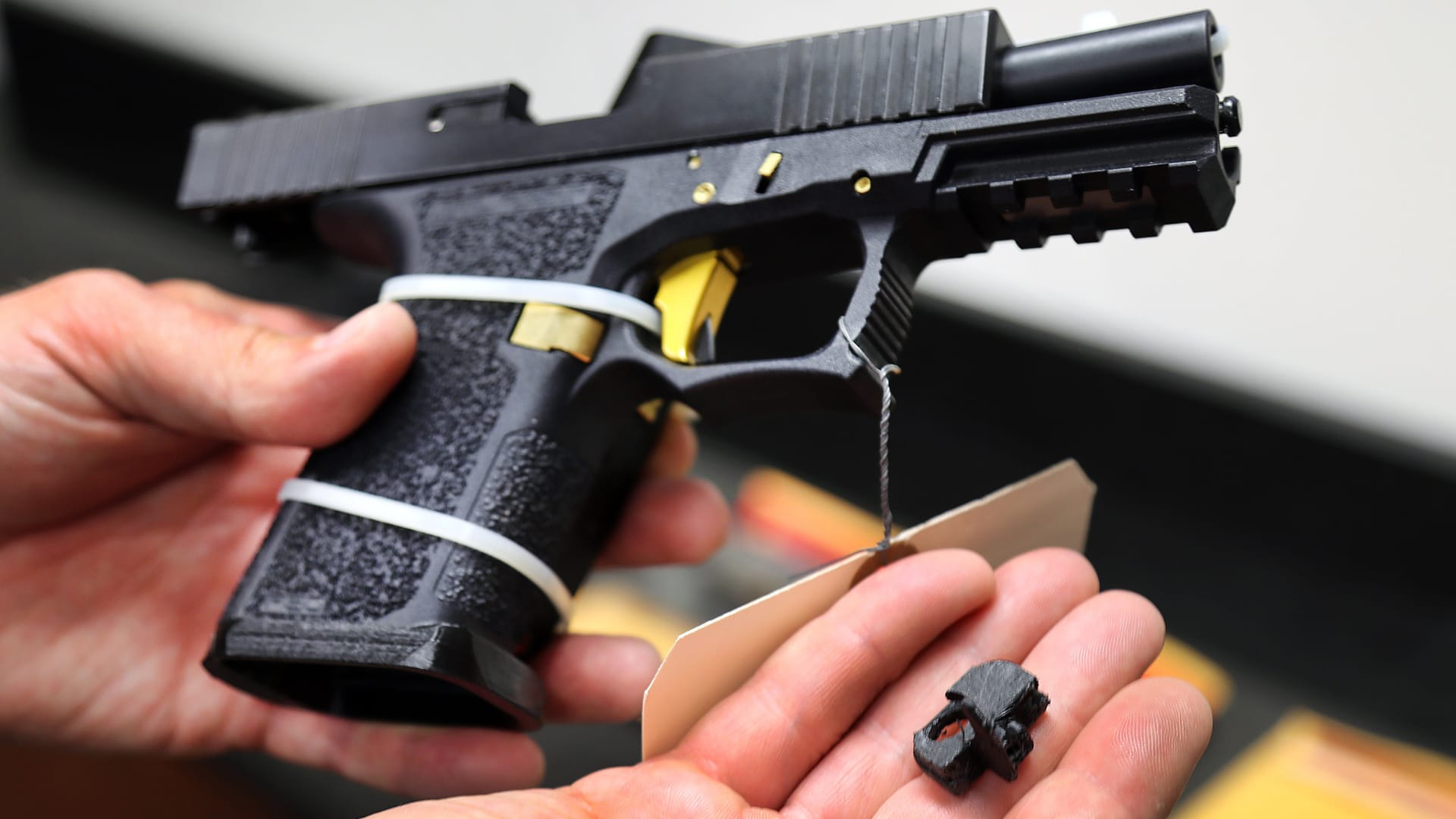
In the complex intersection of technology and law, the rise of 3D-printed firearms parts has ignited a fierce debate about public safety, regulation, and the freedom of innovation. What began as a localized arrest in Florida quickly highlighted the national struggle over the legality of “ghost guns” and the rapidly evolving landscape of digital manufacturing.
The scrutiny focused on 19-year-old Emani Rey Justavino of Jacksonville, Florida, who was apprehended by Bureau of Alcohol, Tobacco, Firearms, and Explosives (ATF) agents after being caught selling what are commonly known as “Glock switches.” These 3D-printed devices are ingenious tools designed to convert standard semiautomatic firearms into fully automatic weapons—a classification that carries severe federal penalties.
The legal ramifications for possessing these devices are substantial. The mere act of possessing them is already a violation of federal law, potentially leading to up to ten years in federal prison. This reality underscores why federal agencies are intensely focused on regulating the digital supply chain for these fabricated components.
The investigation that led to Justavino’s arrest involved undercover operations. Authorities discovered that the suspect was distributing these conversion devices online, specifically on Instagram. Undercover agents engaged the suspect in transactions, tracking the flow of these illicit items through digital marketplaces.
During these interactions, Justavino allegedly made significant sales, first exchanging four devices for $200, and later offering a larger batch for $300. The transactions also involved attempts to sell firearms, demonstrating the blurred lines between hobbyist manufacturing and illegal commerce.
The case is emblematic of a larger, state-level concern. Authorities across various states are grappling with how to manage the proliferation of 3D-printed components. States like California, Colorado, New York, and Washington have all taken steps, proposing new laws aimed at restricting the sale of these printed items, attempting to balance public safety with concerns over open hardware and the educational benefits of 3D printing.
The debate is not just about immediate crime; it touches upon fundamental principles of manufacturing and liberty. While some advocates argue that these regulations could stifle legitimate interests in open hardware and small-scale manufacturing, others insist that robust safety measures must be implemented to prevent the creation of unregulated and potentially dangerous weapons.
The tension between these viewpoints is further complicated by legal challenges. A federal judge has previously struck down an ATF rule regarding 3D-printed parts, arguing that such restrictions infringe upon the Fifth Amendment and the historical tradition of DIY gunsmithing. This ongoing legal friction ensures that the conversation around 3D-printed firearms remains dynamic and deeply contested.
Buy on Amazon
Credit
