50 Steam Next Fest demos: The surprising breakdown of games and AI
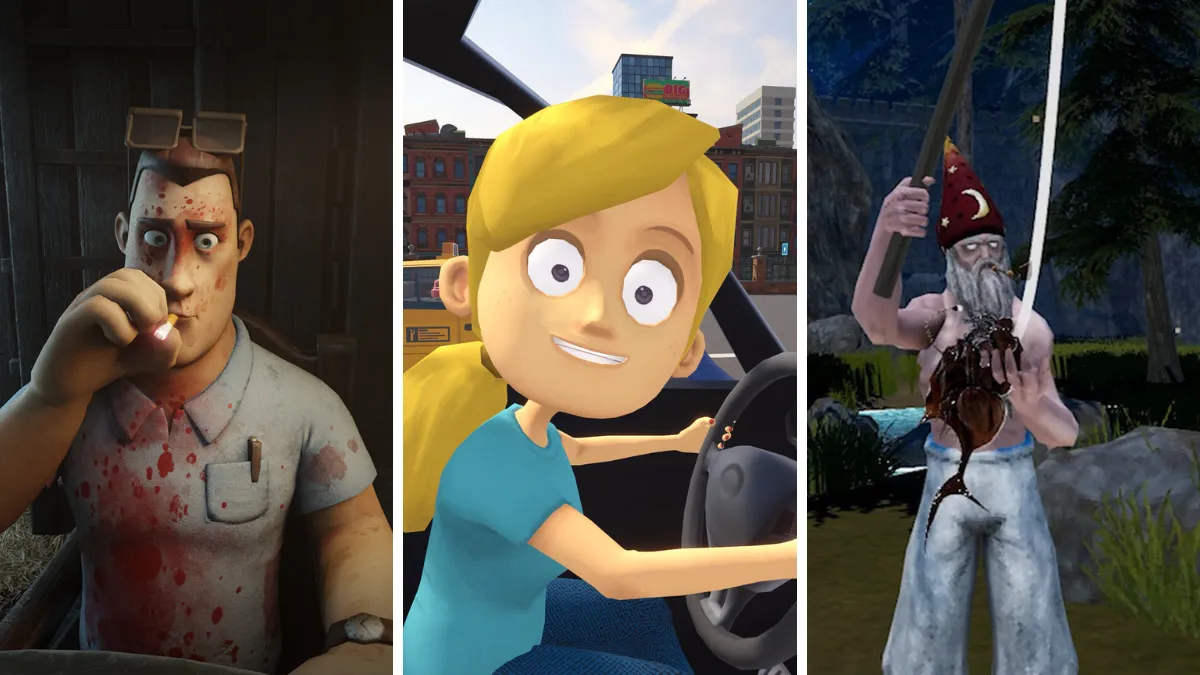
The Steam Next Fest, a massive showcase of demos, is more than just a collection of games; it’s a real-time barometer of what players are craving. After hosting over 8,000 demos last week, Valve decided to reveal the 50 most-played titles, and the resulting list offers a fascinating glimpse into the current zeitgeist of PC gaming.
The results paint a clear picture: players are hungry for casual, friendsloppy co-op experiences and well-polished, incremental titles. This trend demonstrates a collective desire for accessible, low-barrier-to-entry fun. Among the most popular demos are lighthearted co-op games like DudeTrustMe_Demo?snr=1″>Dude, Trust Me and Oar’Some Adventures, proving that simple, social interaction remains a powerful driver of engagement.
There is also a growing appetite for comfortable, low-stress experiences, exemplified by games that self-describe as cozy, such as Loftia. This shift indicates that alongside competitive action, players are increasingly seeking environments where they can relax and unwind.
The list also highlights the enduring appeal of specific genres, with several survival games making an appearance, including Frostrail and Arctic Drive. Furthermore, the popularity of incremental games, like 10 Million Pixels, shows that satisfying progression and clear goals continue to resonate deeply with the community.
Perhaps the most telling trend is the public reaction to generative AI in game development. The overwhelming majority of games on the most-played list rejected the overt use of AI, with only four titles openly declaring its inclusion in development. This reaction was particularly sharp when considering projects that leaned heavily on LLM-powered NPCs, such as Teach My Little Sister How To Drive, which incurred substantial development costs.
When comparing these modern favorites to the hits of five years ago—titles like Norco, Death Trash, Sable, Unpacking, and The Inheritance of Crimson Manor—the contrast is striking. It suggests that the landscape has fundamentally changed, driven by the massive influence of Roblox and the ubiquity of cheap smartphone software. The current era favors freewheeling, simple online co-op games, confirming that the gaming world of 2026 feels vastly different from the one of 2021.
Buy on Amazon
Credit
