647W DLSS 5 Power: Connector Runs Hotter Than GPU Die
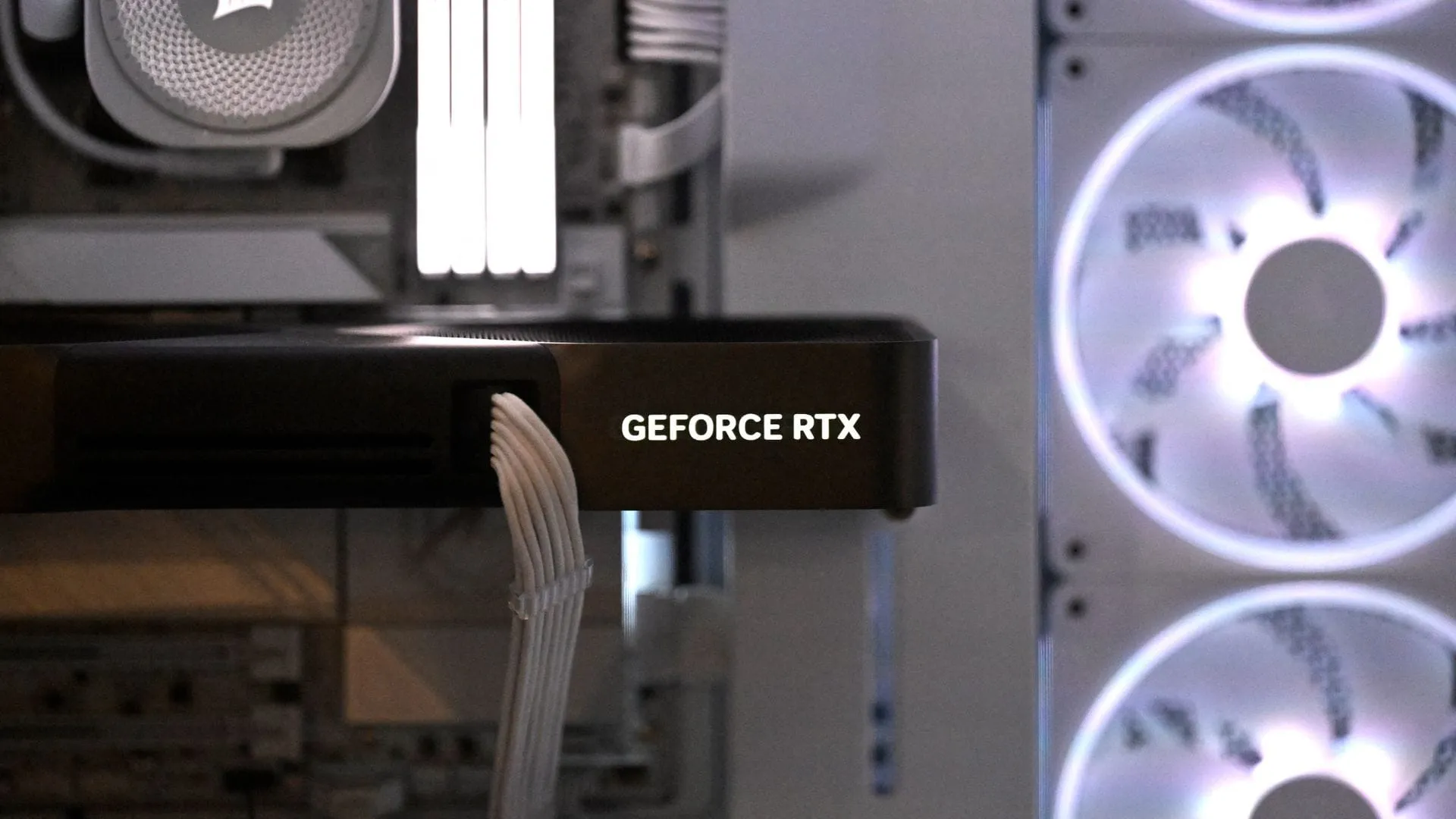
The pursuit of cutting-edge graphics technology often promises unparalleled performance, and the GeForce RTX 5090 is undeniably at the forefront of this revolution. As one of the best graphics cards available, it holds immense potential, particularly when paired with advanced technologies like DLSS 5. However, chasing peak performance comes with a critical caveat: managing the power and thermal demands of these behemoths.
While the performance gains are exciting, enthusiasts planning to jump onto the DLSS 5 bandwagon need to pay close attention to the operating temperatures and power consumption. Recent tests have highlighted that pushing these next-generation cards to their limits can put significant stress on the physical components.
In controlled testing, the GeForce RTX 5090 Founders Edition demonstrated substantial changes when DLSS 5 was activated. When tested in a controlled environment, the power draw was significant, peaking near 650W, and the RTX 5090 Founders Edition recorded temperatures exceeding 90 degrees Celsius on the 16-pin (12VHPWR) power connector. This heat stress is not just theoretical; it’s a real-world concern.
This effect is compounded when considering the physical integrity of the power delivery system. Reports of 16-pin power connector melting have surfaced across the community, affecting both Nvidia and AMD cards. This issue extends beyond new users; seasoned industry veterans have also encountered these meltdowns, underscoring a systemic hardware concern.
The link between DLSS 5 and power draw is clear. When the technology is enabled, power consumption rises noticeably. For the RTX 5090, the average power draw increased by 13% with DLSS 5 enabled. While this increase is measurable, it doesn’t necessarily violate the official Total Design Power (TDP) specifications of 575W, suggesting that the card is operating within expected parameters, although the resulting heat is high.
The stress is most visible at the power connector itself. Testing revealed that the 16-pin connector experiences a power draw increase of up to 11% when DLSS 5 is active. Furthermore, when power delivery is imperfect—such as a loose pin—the electrical load is redistributed, making the system far more vulnerable to catastrophic failure, leading to the feared melting events.
Ultimately, while the RTX 5090 offers breathtaking graphical fidelity, it serves as a reminder that raw power often demands careful management. For those exploring the extreme limits of next-gen AI upscaling, embracing the technology means understanding the physical limits of the hardware. The excitement of high performance must be balanced with an awareness of the thermal and electrical realities underneath the surface.
Buy on Amazon
Credit
