7 melted Nvidia GPUs flood Chinese repair centre in two days
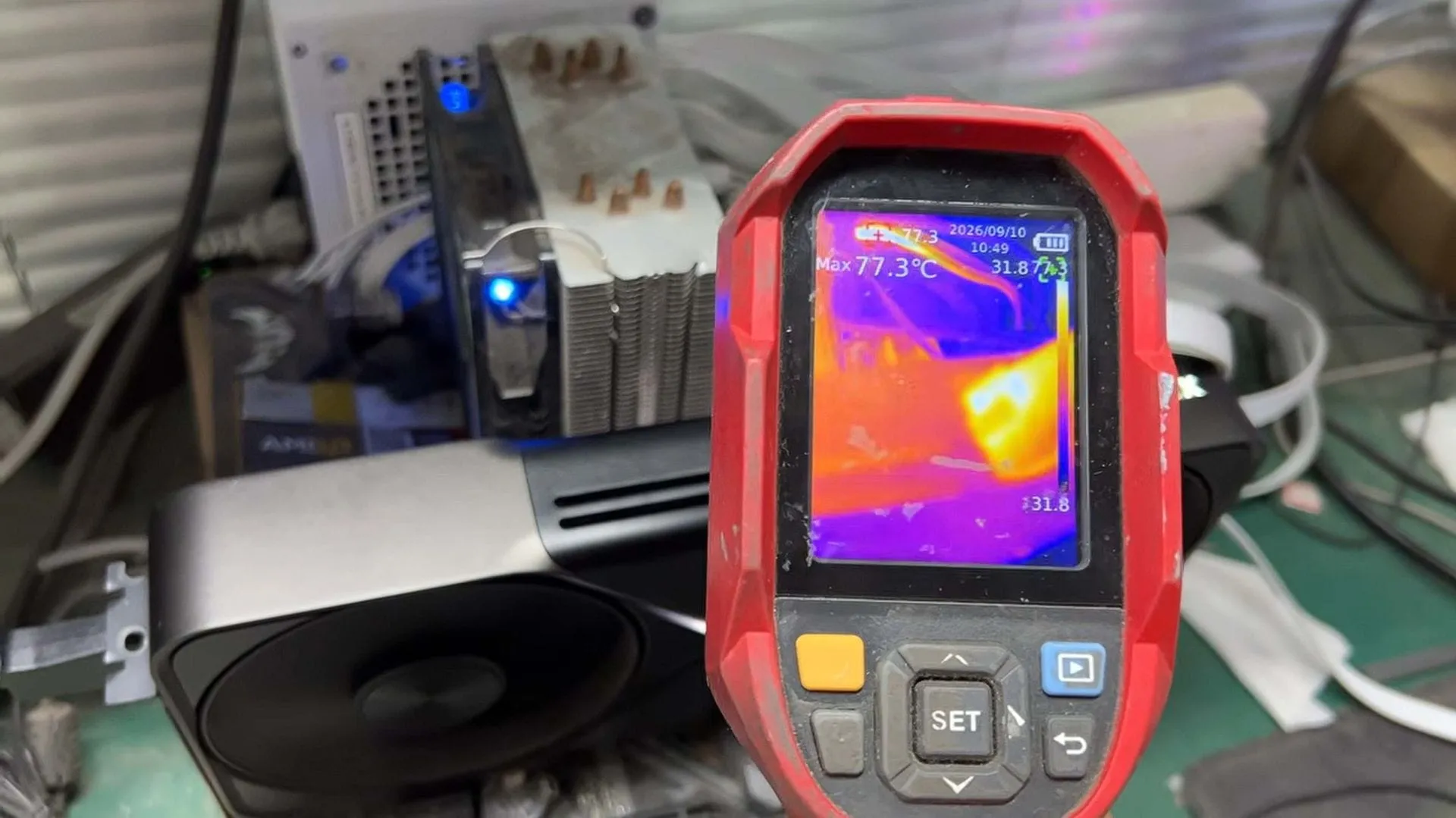
The high-performance world of graphics cards is currently experiencing a sizzling crisis, driven by a surprisingly common and catastrophic physical failure: melted power connections. A recent influx of high-end Nvidia GPUs has landed at repair shops, not due to software glitches or faulty drivers, but because the very physical interface between the power cable and the card itself has been scorched.
The sheer volume is staggering. In just the last two days alone, repair technicians have wrestled with seven cards, primarily flagship models like the RTX 5090, alongside popular RTX 4090 cards from manufacturers including Asus, MSI, Gainward, and the Founders Edition. The root cause for these emergency repairs? Burnt interfaces caused by the stress of high-power delivery, specifically where the 12+4-pin power connector meets the card’s socket.
What technicians are seeing is often dramatic. They find blackened circuit board material, melted contacts, and in some cases, power cables that have melted directly into the socket. To salvage these high-value components, the process is meticulous: the burnt interface is removed, the contacts are meticulously cleaned, and a brand-new 12+4-pin socket is soldered in place. Only then do they test the card to ensure full functionality.
While the repairs restore function, the underlying frustration remains. Despite the fact that many of these cards come from various manufacturers and are often powered by robust systems—some even from lab computers—the consistent symptom points to a systemic issue related to power delivery and connector integrity. It suggests that the massive power demands of these beefy GPUs are literally melting the connections over time.
For those dealing with these components, monitoring is key. Technicians advise users to pay close attention to thermal signatures. If you touch the power cable near the GPU connector and it is alarmingly hot, or if the card itself runs unusually hot, it is a clear signal that something is amiss.
Even more revealing is monitoring the voltage. If you use tools like GPU-Z, watching the 12+4-pin voltage readout is crucial. A drop in voltage, for instance, falling below 12 volts—such as 11.3 or 11.4—is a significant red flag, indicating that the power delivery chain is struggling.
This isn’t simply an issue caused by cheap Power Supply Units or misaligned cables. The evidence points directly to the physical stress caused by the immense power being drawn by modern graphics cards. It feels like a ticking time bomb for all users of these power connectors, meaning that vigilance is now paramount.
Fortunately, innovation is already responding to this challenge. New hardware solutions are emerging that aim to provide extra peace of mind. For instance, there are new accessories, like the OCP dongle from Super Flower, designed to offer enhanced protection and foresight against these melting risks, offering a layer of warning before a catastrophic meltdown occurs.
Buy on Amazon
Credit
