79% think Razer’s new mouse feature is cheating
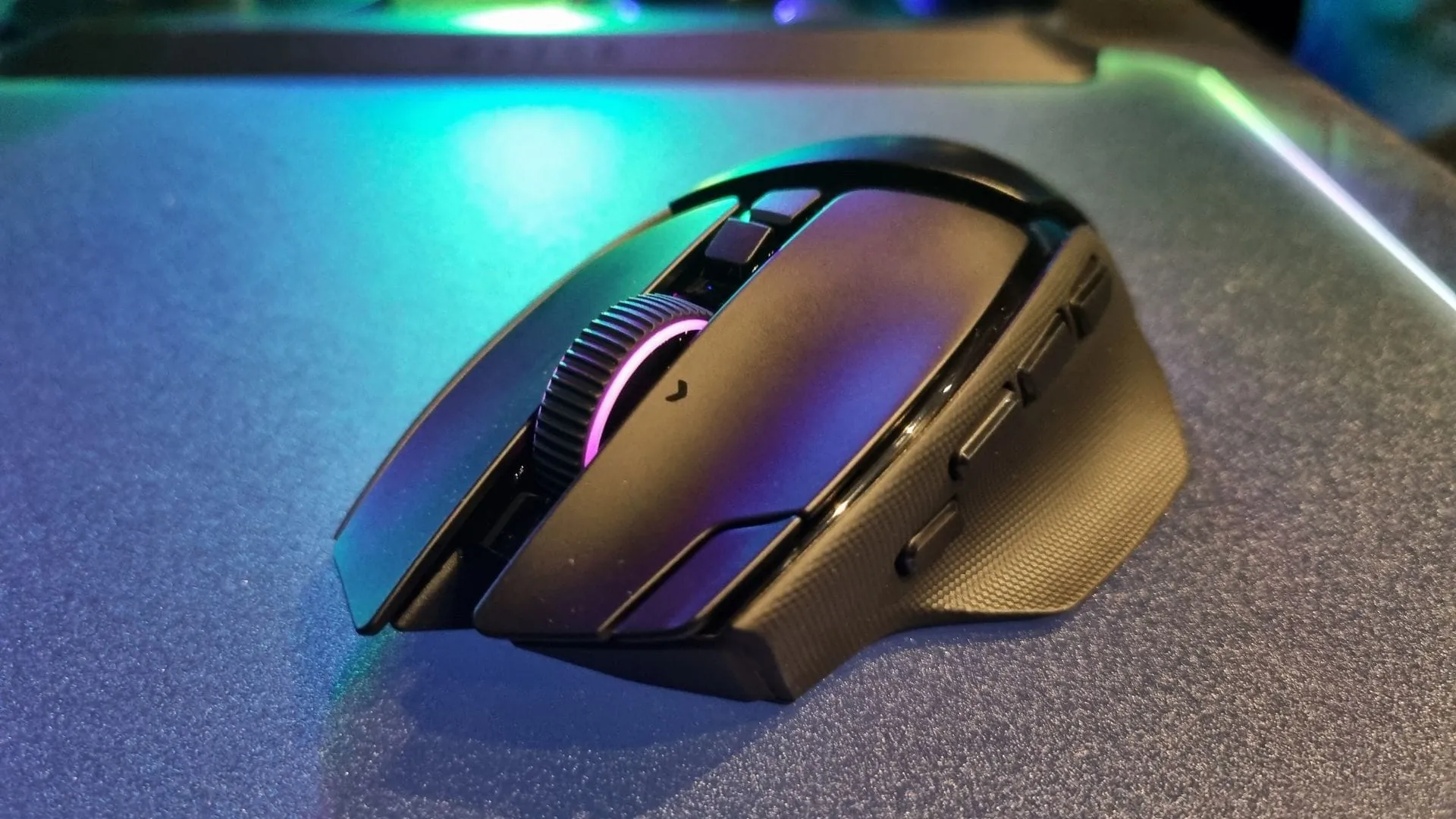
In the high-stakes world of competitive gaming, where milliseconds matter and every advantage is scrutinized, a new feature has ignited a fierce debate: does a gaming mouse that can instantly turn 180 degrees count as cheating?
Razer has introduced the “Perfect 180” feature on its new Basilisk V4 Pro gaming mouse, allowing users to execute a near-instant 180-degree spin with a single click. This feature, designed to streamline movement, immediately sparked controversy among the community. The question wasn’t about the engineering marvel of the mouse itself, but whether automated, instant turning crossed the line into unfair play.
To gauge public opinion, Razer conducted a poll among users, and the results were clear: a resounding 79% of respondents felt that this instant turning counted as cheating, while the remaining 21% felt it was perfectly fine.
The debate quickly evolved beyond a simple majority. While some firmly leaned into the “cheating” camp, others offered a more nuanced perspective. Some argued that anything that assists or moves the mouse on command should be viewed as an accessibility option, particularly for players who might struggle with physical rotation. This view suggests that the focus should shift from the mechanism of the turn to the accessibility it provides.
However, the distinction proved elusive. Critics pointed out that in high-level competitive play, even subtle aiming adjustments can be perceived as an unfair advantage. This led some to suggest that the real issue isn’t the feature itself, but how such snappy movements can alter the perceived reality for an opponent.
History offers a peek into the lineage of this controversy. Long before Razer, software like Microsoft’s Intellipoint mouse utilized similar functions, allowing users to assign 180-degree or full 360-degree turns to side buttons. As one commentator noted, quick turns never took off back then for a reason, suggesting that the utility of such a feature was perhaps overlooked.
Razer marketed the new ability as being “built for low-sensitivity gaming,” yet the public reaction seems to be more focused on the competitive implications than the technical specifications. Ultimately, while the feature will likely remain, its presence ensures that players must grapple with a new dynamic: the challenge of competing against opponents who possess an instantaneous rotational advantage.
Buy on Amazon
Credit
