8 Elder Scrolls shout-offs about Skyrim Morrowind and Oblivion
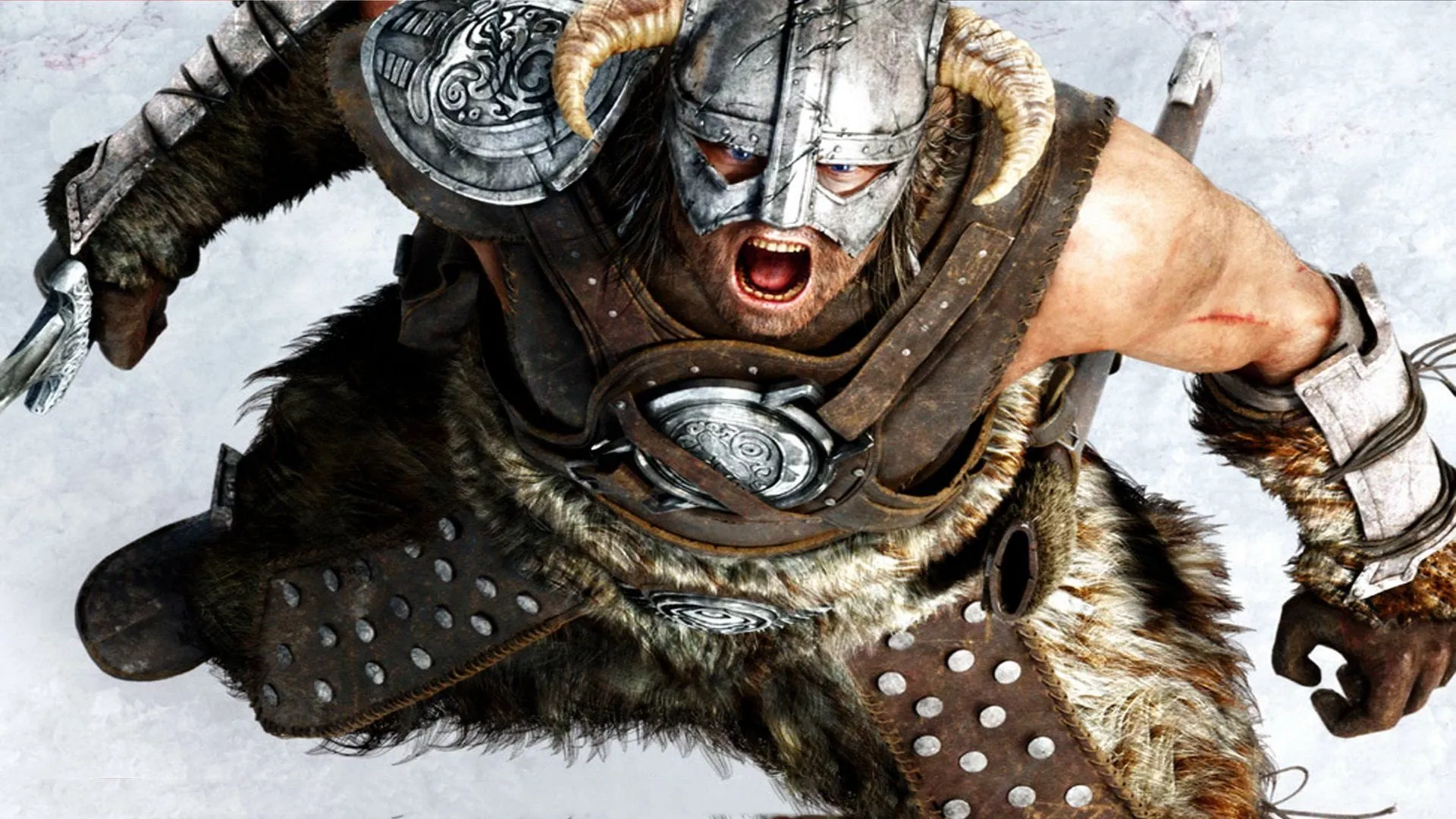
The Elder Scrolls saga is more than just a sprawling fantasy world; it is a legendary journey. From slaying dragons and absorbing ancient souls to picking pockets and navigating treacherous political landscapes, players have achieved monumental feats in Tamriel. But beyond the epic scope of the adventure, there’s a deeper conversation happening among the community about where the series is headed. Five PC Gamer editors recently gathered to offer some of their most passionate takes on the past and future of this iconic franchise, sparking a lively debate about the evolution of RPG design.
One of the most immediate points of contention centers on the structure of the game itself. There is a strong argument that the series needs to return to older RPG conventions. The abundance of numerical stats and skill points, while offering accessibility, has arguably led to a homogenization of the gameplay experience. Critics suggest that removing these limitations and embracing a more traditional approach would allow players to focus on character development and true roleplaying, rather than mastering every possible skill simply to maximize numbers.
This discussion naturally leads to a comparison of the various installments. While games like Skyrim deliver breathtaking spectacle—fighting dragons and traversing vast landscapes—some argue that the main questline often overshadows the wealth of content found in side quests. Comparisons with previous titles, such as Oblivion or Morrowind, reveal a difference in emphasis. Some note that while the main quest provides epic scope, the side content in earlier titles offered more engaging narrative depth and memorable character moments.
Specific gameplay mechanics have also drawn considerable attention. The feature that allowed players to create custom spells in Oblivion is often cited as a game-breaking innovation. While this feature offered delightful flexibility, some contend it broke the core immersion of the game. The argument is that creating a compelling character shouldn’t require complex min-maxing, suggesting that the joy lies in the storytelling and world exploration, not just optimizing abilities.
The narrative quality across the series has also been a focal point. While the worldbuilding remains Bethesda’s undeniable strength, some feel that the writing has become more anodyne over time. The ambition of the narrative and world should be matched by equally rich, layered storytelling in every questline. The classic Dark Brotherhood quest in Oblivion is frequently praised for its immersive, cinematic quality, setting a high bar for what the franchise could achieve in terms of narrative adventure.
The potential for emergent gameplay is another area where the series could shine. Players have pointed out that the interactivity of the open world is exceptional, allowing for profoundly immersive moments—like picking up an item and interacting with the environment—that set the series apart. There is a strong desire to harness this interactive potential, perhaps by breaking down the world into more granular, dynamic zones that enhance immersion rather than merely serving as loading screens.
Finally, the series’ massive lore and universe seem ready for a cinematic treatment. With a history spanning millennia and countless political and catastrophic events, there is a palpable desire for an Elder Scrolls television show. While questions about execution remain, the sheer volume of rich source material suggests that a proper adaptation could explore the devastating consequences and the epic history of Tamriel in a way that captures the imagination of a wider audience.
Buy on Amazon
Credit
