8000 demos at Steam Next Fest levels up
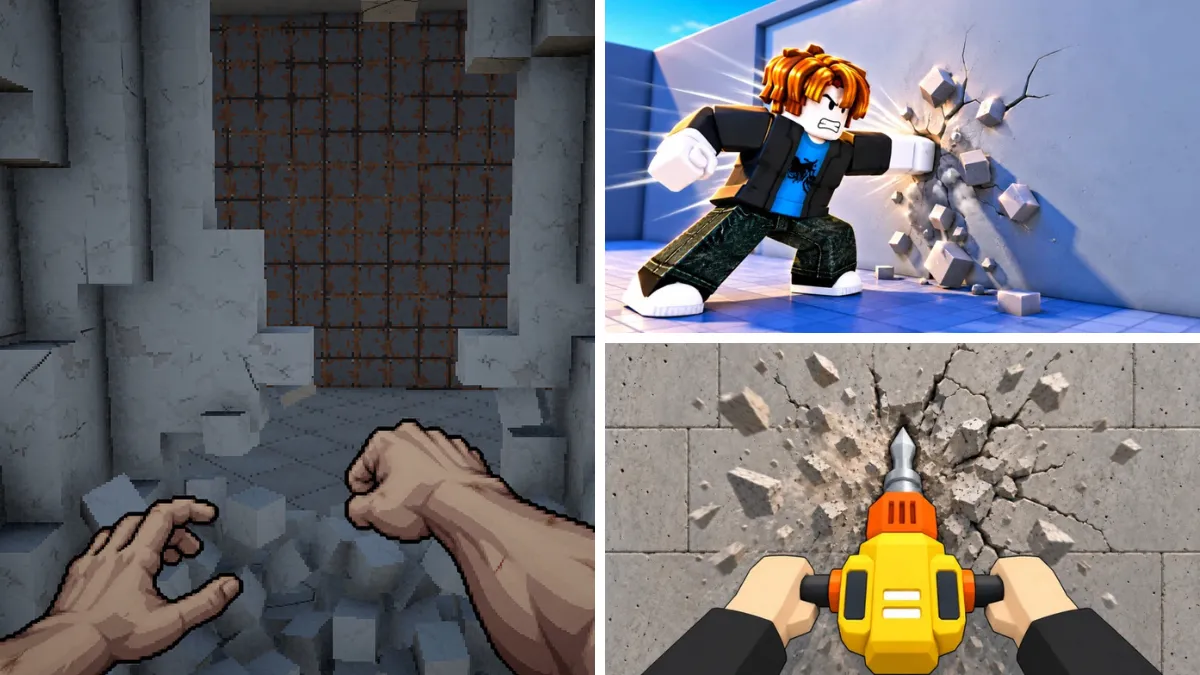
The current landscape of independent gaming is less a fertile ground for creativity and more a rapidly accelerating arcade of imitation. As major events like Steam Next Fest flood the market with content, we are witnessing a phenomenon where high-quality ideas are being drowned out by a torrent of rapid, often derivative, clones.
The sheer volume of content is staggering. During the recent Steam Next Fest, the press preview landing page boasted over 8,000 matches, roughly double the demos featured in the previous year. This explosion suggests that the focus is shifting away from genuine innovation and toward mass-produced, algorithm-optimized content.
This digital flood is heavily fueled by artificial intelligence. New updates to models like Anthropic’s Claude 5.5 are providing massive efficiency gains, allowing “vibe coders” to generate complex game concepts and assets in a fraction of the time. This technology has quickly moved beyond mere coding; it has become a powerful tool for deconstructing commercial games and even jailbreaking console systems.
The result is a frantic arms race in the indie sphere. Just weeks ago, a game like Escape the Walls, an incremental punching game, posted in-progress footage. Within days, competitors were already launching Roblox clones, prompting users to predict that this concept could be replicated and monetized dozens of times over in mere hours.
This speed has raised serious concerns about intellectual property and the value of independent creation. Studios are now facing the perilous reality that groundbreaking demos can be instantly copied and spun into profitable slop, forcing some developers to reconsider the viability of public demos.
The issue extends beyond simple cloning. Developers are confronting direct code theft. Instances have emerged where studios have pulled significant portions of proprietary code directly from other creators’ projects, copying class names and even unique error messages. This highlights a systemic vulnerability in the ecosystem that requires immediate attention from platforms like Valve.
While proponents argue that AI democratizes skills—allowing anyone to create music, art, or code—the reality in video games is more complex. Simply generating a blockbusting experience doesn’t equate to genuine development. True innovation still requires years of dedicated thought, practice, and mastery. Without the foundational ideas generated through genuine experience, AI merely becomes the most expensive toy for those who lack true creative vision.
The market snapshot reveals that while the landscape is chaotic, certain giants still dominate. Dota 2 leads the revenue charts, but titles like Punch Your Way Out and the popular Last Round at the End of the World continue to capture attention, showing that a few established titles still command massive audiences.
Despite the noise and the flood of derivative content, there are still deep cuts worth exploring. Titles like The Doll Shop offers a fascinating blend of romance and horror, while cosmic horror takes center stage in Penguin Colony.
Buy on Amazon
Credit
