Absurd player counts doom Riot’s 2XKO from launch
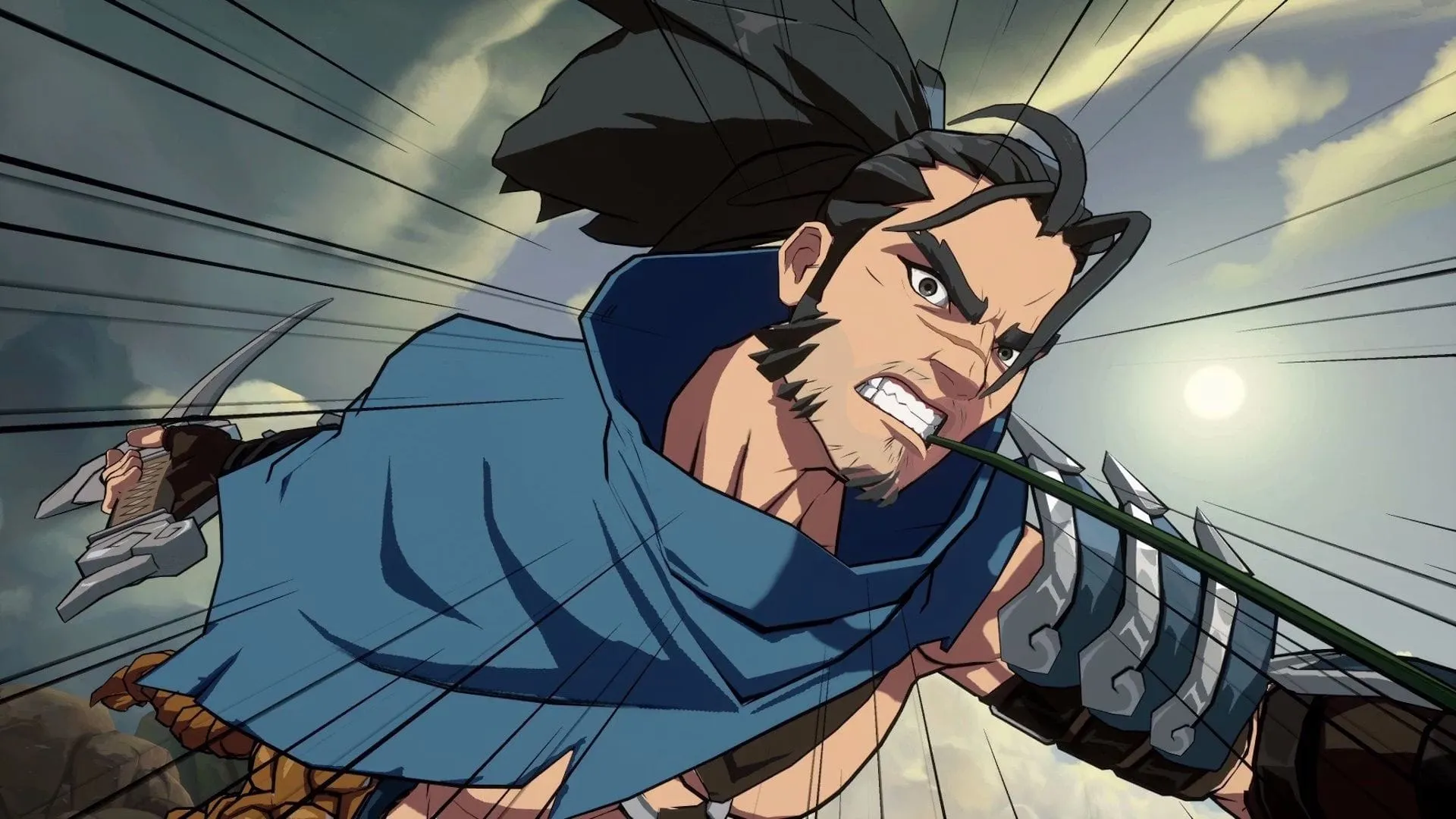
The end of a highly anticipated game often leaves players feeling a knot of frustration, but for the story of 2XKO, the disappointment was amplified by the larger struggles of the gaming industry. While the development of the title concluded, the numbers involved in the project raise some truly baffling questions about ambition, market research, and the reality of creating a massive hit.
The notion that the project was shelved—or evolved into something less than a full release—suggests a massive disconnect between what was envisioned and what was achieved. This feeling is amplified by the broader climate facing game developers today.
To truly gauge the scale of this experience, we have to look beyond simple sales figures and dive into the complicated world of player activity. Discussions around monthly active users (MAU) reveal the true scope of the challenge. An active user is someone who logs in and engages with a game at least once a month, a metric that far surpasses the fleeting presence of concurrent users.
When we attempt to estimate the player base for 2XKO, we are dealing with careful guesstimates, as the precise monthly active user data is often unavailable. However, even with conservative assumptions, the potential reach of the game remains impressive. Considering the concurrent peak of a title like Street Fighter 6 on PC, and factoring in typical player schedules, we can estimate that a significant portion of the audience is consistently engaged.
Even taking the most generous read on player distribution, the potential pool of monthly active users for 2XKO would still be nowhere near the scale of what many developers hope for. Achieving the status of a global phenomenon requires a steady stream of new or returning players, and the available metrics suggest that 2XKO simply did not generate enough engagement to satisfy its trajectory.
This reality casts a shadow over the entire development process, forcing us to ask some uncomfortable questions. Did Riot Games misread the market? Was the market research fundamentally flawed? Or did the development team simply face insurmountable efficiency challenges?
Perhaps the most telling question remains the choice itself. When a studio has the capital to gamble, the decision to pursue a high-risk project is inevitable. But when the outcome is disappointing, the focus shifts to the strategy. Did the developers choose to roll the dice on their livelihoods, betting that they could create something even greater than established giants like Street Fighter 6?
Ultimately, the narrative of 2XKO is less about the game itself and more about the complex, often disheartening equation of ambition versus execution in a fiercely competitive industry. It serves as a sharp reminder that a massive player base is not guaranteed by a strong concept alone.
Buy on Amazon
Credit
