Acer Atlas 8 pricing puts handheld gaming in a luxury coffin
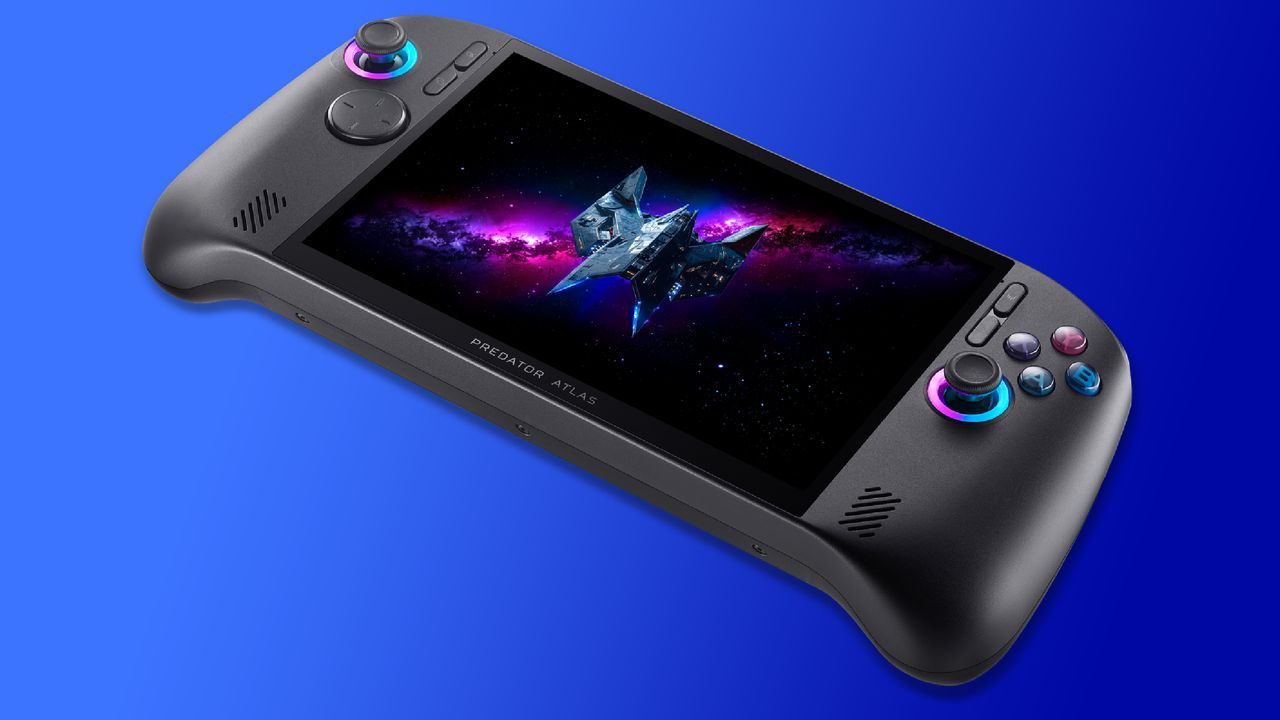
When Intel introduced the Arc G3 and G3 Extreme chips a couple of months ago, the promise was clear: seamless, powerful gaming experiences on the go. This felt like a major step forward, especially since handheld gaming PCs had long been constrained by repetitive silicon designs. But as hardware innovation often does, my initial excitement quickly gave way to a more sober realization about what truly drives the market—and that reality involves some hefty price tags.
I had warned that this technological leap would unfortunately translate into prohibitively expensive retail pricing. And now, watching actual market figures unfold, it seems I was right. The dream of portable PC gaming has morphed into a luxury item for the discerning gamer.
This trend is starkly visible in the pricing of new handheld systems. For instance, UK pricing for devices featuring Intel Panther Lake chips—like Acer’s Predator Atlas 8 handhelds, expected to launch this year—ranges between $1,000 and $1,500.
The spectrum of options reveals the cost of customization. The absolute cheapest configuration includes a regular G3 chip, 16 GB of memory, and a 512 GB SSD. Gamers looking for more power can upgrade the memory to 24 GB for an additional £100.
The higher-end options reflect the increased demands for performance. A G3 Extreme version featuring a 1 TB SSD and 24 GB of RAM can be found for around £1,300. Pushing the memory further to 32 GB results in prices reaching the top end of that range, hitting up to £1,500.
When we convert these figures into US dollars, we are looking at handheld gaming PCs ranging from roughly $1,300 to $2,000. That is a significant jump from what might have been anticipated for an entry point into PC gaming.
This expense isn’t unique to the Intel lineup. A comparable handheld featuring the G3 Extreme chip and high-end specifications, such as the MSI Claw 8 EX AI+ CG3EM, currently sits at around $1,800. Even when launch targets were set closer to $1,500, market forces have driven prices significantly higher.
Despite the cost, the performance delivered by the G3 Extreme chip is undeniable. With its 12 Xe cores, it can comfortably outperform other handhelds like the Asus ROG Xbox Ally X in demanding games at 1080p resolution. It proves that the hardware capability exists, but the economic reality of mass production and component costs remains a serious hurdle.
Ultimately, the narrative surrounding handheld gaming PCs is shifting. While the market once offered a seeming entry point into full PC gaming, it is rapidly consolidating into an ultra-niche luxury segment. The promise of portable power is still there, but for now, true seamless gameplay on the go comes with a substantial premium.
Buy on Amazon
Credit