Activision admits Black Ops 7 was a failure
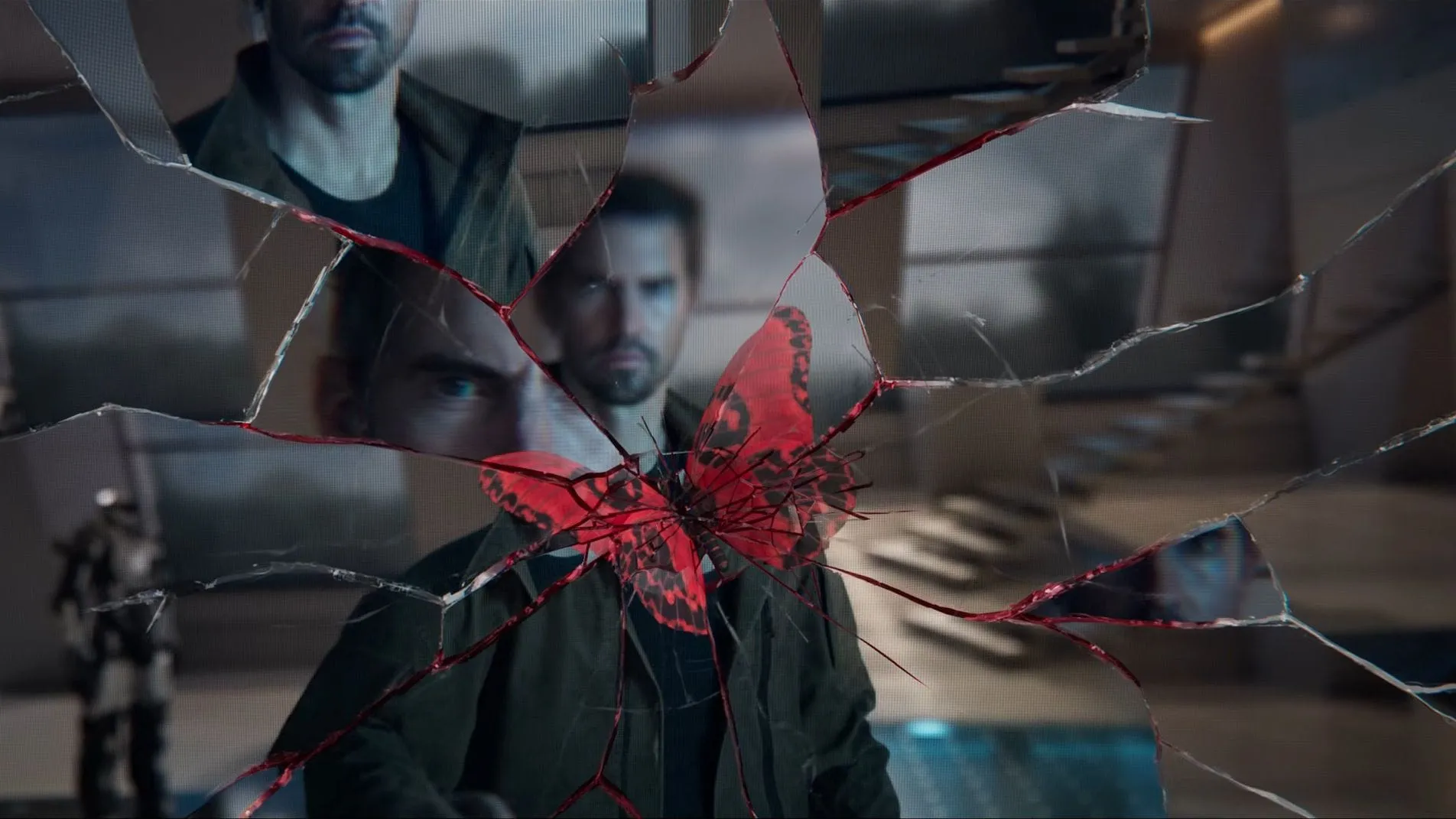
The Call of Duty franchise, once a titan of the gaming world, is currently grappling with a complex mix of fatigue, high expectations, and the relentless pressure to evolve. Even with massive production budgets and a dedicated player base, the cycle of releases has often left fans feeling a little… underwhelmed.
The recent release of Call of Duty: Black Ops 7 did not quite hit the mark for many. This disappointment wasn’t isolated; it was compounded by the back-to-back nature of the release schedule, especially following the launch of Battlefield 6, which preceded it. This rapid-fire cycle led to a sense of exhaustion among players who were craving something fresh and distinct.
Activision’s Chief Marketing Officer, Tyler Bahl, openly acknowledged this sentiment, admitting that the community was looking for a significant tonal shift. In an interview, Bahl noted that while the team sought to return to a more grounded, cinematic, and authentic military shooter experience, the community desired something genuinely new, not just a familiar iteration.
This tension highlights a deeper issue: the phenomenon of Call of Duty fatigue. With eight of the last nine major titles falling under the Black Ops or Modern Warfare umbrella, the franchise risks becoming a heavy weight rather than a source of excitement. The challenge now is not just improving the gameplay, but reigniting player enthusiasm.
Looking ahead, the focus shifts to the future. With Call of Duty 2027 slated to launch as a new sub-franchise spearheaded by Sledgehammer Games, there is a chance for a refreshing reboot. Early indications for Modern Warfare 4 are promising, particularly with anticipated maps like DMZ that promise enhanced movement and mechanics.
However, success in this competitive landscape hinges on listening to the players. Bahl stressed that the development teams must engage transparently with the community, moving beyond the internet echo chamber to truly gauge player desires. The ultimate measure of success, he suggested, isn’t just sales figures, but whether the game genuinely delivers on the expectations set at the start of the year.
Furthermore, the relationship between revenue and player satisfaction remains a thorny issue. While the franchise generates significant income, the model—particularly surrounding services like Xbox Game Pass and the monetization of in-game items—invites skepticism. The industry needs to find a sweet spot where commercial viability aligns seamlessly with genuine player enjoyment.
Ultimately, the hope is that the next chapter of Call of Duty will succeed not just by delivering military action, but by successfully recapturing its status as the biggest and best. It is a high-stakes endeavor, demanding authenticity, community engagement, and a true commitment to innovation.
Credit
