Activision faces the challenge of fixing Halo
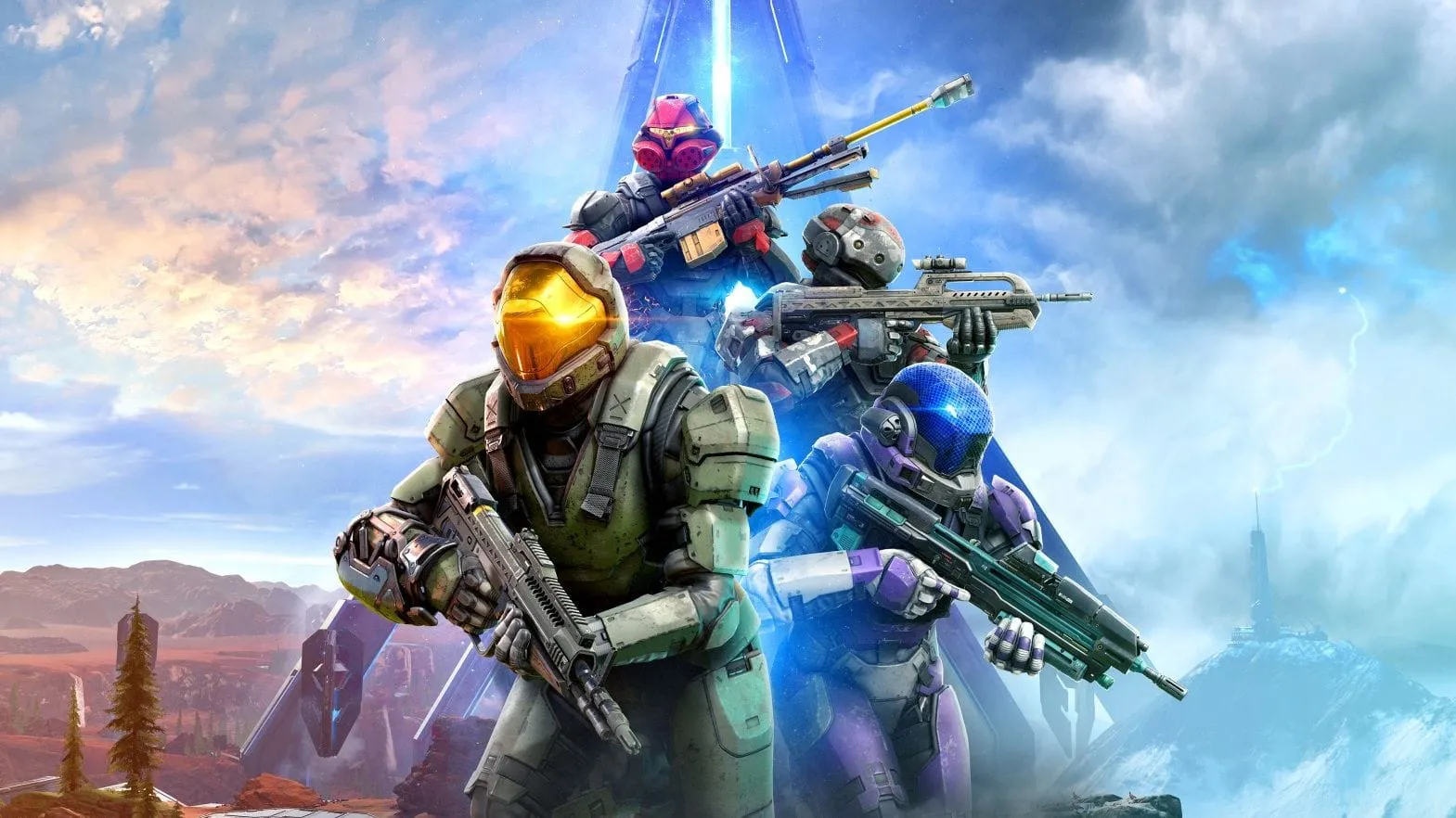
The landscape of franchise development has just seen a significant shift in the Halo universe. Microsoft has effectively handed the reins of the franchise to Activision, pulling the plug on Halo Studios, the team that had been tasked with guiding the series forward. This move, occurring amidst broader industry reshuffling, leaves the future of Halo in a state of transition, raising questions about the legacy of the studio and the direction of the franchise moving forward.
While the exact reasons for the studio’s restructuring remain complex, the outcome is clear: Halo Studios is no longer making Halo. This transition immediately prompts a look back at the studio’s history, which is packed with both undeniable achievements and some very questionable choices.
For a long time, Halo Studios was credited with perfecting certain aspects of the series. They laid down a foundation that many fans still cherish. They delivered core multiplayer experiences, including the beloved 4v4 arena modes and Big Team Battle, establishing a solid multiplayer backbone. Furthermore, the art direction, particularly under Infinite, was striking, and the quality of the gunplay set a high bar for the series. The tools they created, like the Forge system, empowered the community to create custom maps and minigames that injected fresh life into the franchise.
However, the journey of Halo Studios was not without its missteps. In trying to evolve the series, the studio occasionally struggled with narrative focus, taking the Master Chief too seriously and making him feel less like a hero and more like a mandate. They also experimented with every emerging multiplayer trend of the decade—loot boxes, battle passes, and MOBA-like modes—which, while innovative, often caused the franchise an identity crisis.
The pacing of development also presented a challenge, with long gaps between major installments. This inconsistency highlights the difficulty of managing a massive, enduring property while trying to keep pace with rapidly changing industry demands.
Now, the focus shifts to Activision, which steps into this new role. As both a Halo and Call of Duty fan, the pairing isn’t necessarily exciting, and the ultimate challenge for Activision is to steward a series that is deeply loved but also requires reinvention. They must navigate the tricky balance of updating the experience while honoring the unique identity that made Halo so celebrated.
The core question remains: how does Activision restore Halo‘s relevance without sacrificing the elements that fans love most—the streamlined weapon sandbox, the emphasis on vehicles, and the vibrant community-driven custom content? The challenge lies in achieving a fresh vision that avoids the homogenization often seen in the broader shooter market. The outcome will determine whether Halo evolves into the definitive multiplayer experience it deserves to be.
Buy on Amazon
Credit
