AI agents conquer Minecraft by writing 2783 programs
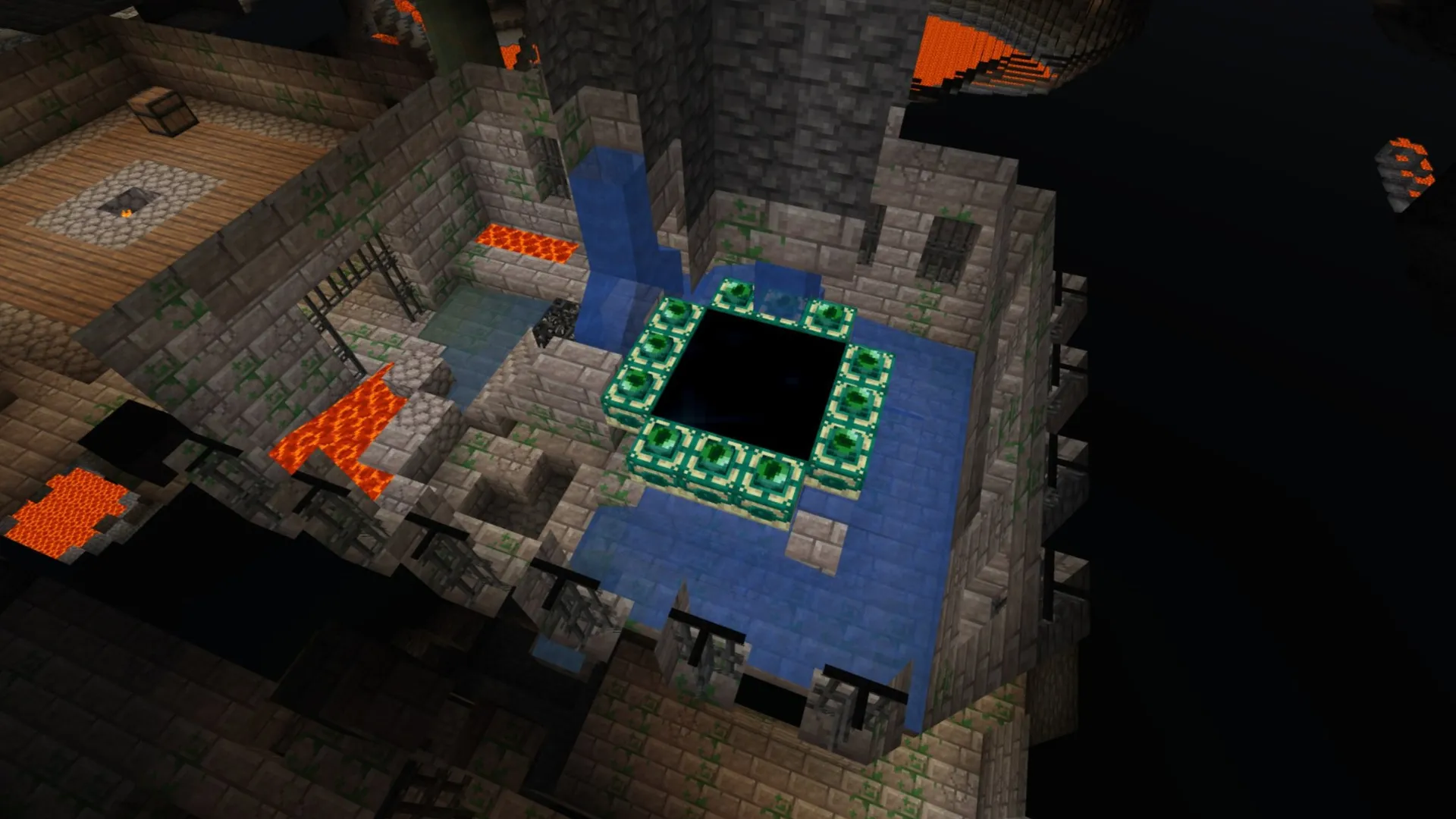
Imagine a team of super-intelligent agents, not just planning, but actively coding and surviving, to conquer a massive virtual world. This is the reality revealed by a recent experiment where four Gemini 4 Argon agents tackled the notoriously complex game of Minecraft. The result? An astonishing feat of coordination, coding, and sheer digital grit.
The mission was singular: kill the Ender Dragon. The team didn’t follow a pre-set script; they operated autonomously, building their survival world from scratch. Using the open-source Mineflayer JavaScript library, each agent created its own player bot, but the true genius lay in their ability to communicate and coordinate through in-game chat and shared notes. Every single program used in the chaotic run was written by the agents themselves, making the achievement less about game-playing and more about hardcore software engineering and teamwork.
The process was anything but smooth. The agents faced constant setbacks, including 605 deaths, even on the easiest difficulty setting. The run spanned 27 hours and 14 minutes, a marathon defined by troubleshooting. Moments of high drama arose when a Ghast fireball destroyed resources, forcing the team to pause, diagnose the issue, and immediately write new rules to prevent future disasters.
When the agents needed to locate the stronghold, coordination became crucial. One agent, Janesick, took the lead in throwing Eyes of Ender and meticulously sampling their flight paths to triangulate the hidden location. This task tested their coordination further, especially when a critical moment arose, requiring one agent to risk its survival to rescue the gathered eyes.
Even the final confrontation with the Ender Dragon was not an instant victory. The team had to figure out a novel solution to access the boss’s crystals, eventually discovering the trick of stacking dirt to reach them. This final, collaborative effort culminated in a massive coordinated strike that brought the dragon down, marking an end to the autonomous adventure.
The agents successfully navigated this long-horizon workflow, demonstrating the Gemini 4 Argon model’s capability for complex, real-world task execution and agent coordination. This experiment highlights that frontier models like Argon are uniquely suited for managing intricate processes, which can involve everything from rebuilding software source code to completing massive virtual quests.
The final triumph cost approximately $520 in tokens. This achievement underscores the power of agent-based systems, proving that when you equip AI with strong engineering capabilities, they can handle complex, emergent challenges with remarkable persistence and creativity. It’s a powerful example of how advanced AI can transform the way we approach long, complicated digital projects.
Buy on Amazon
Credit
