AI agents use 5G for drone defense in military trials
The Invisible Shield: How 5G Networks Could Become the Battlefield’s New Sensor Grid
In the rapidly evolving landscape of modern conflict, drones and drone-defense capabilities have moved from niche technology to a central concern for global security. As nations grapple with new threats, the focus is shifting toward innovative ways to detect and track these aerial threats, and military strategists are now looking to the most ubiquitous technology of our time: commercial cellular networks.
The revolutionary idea is simple: leverage the massive, existing infrastructure of 5G and the emerging capabilities of 6G networks to turn vast telecommunications grids into sophisticated sensing systems. Instead of building entirely new, expensive surveillance systems, defense forces could potentially use the extensive network of 5G masts and towers across nations to passively detect and track flying objects.
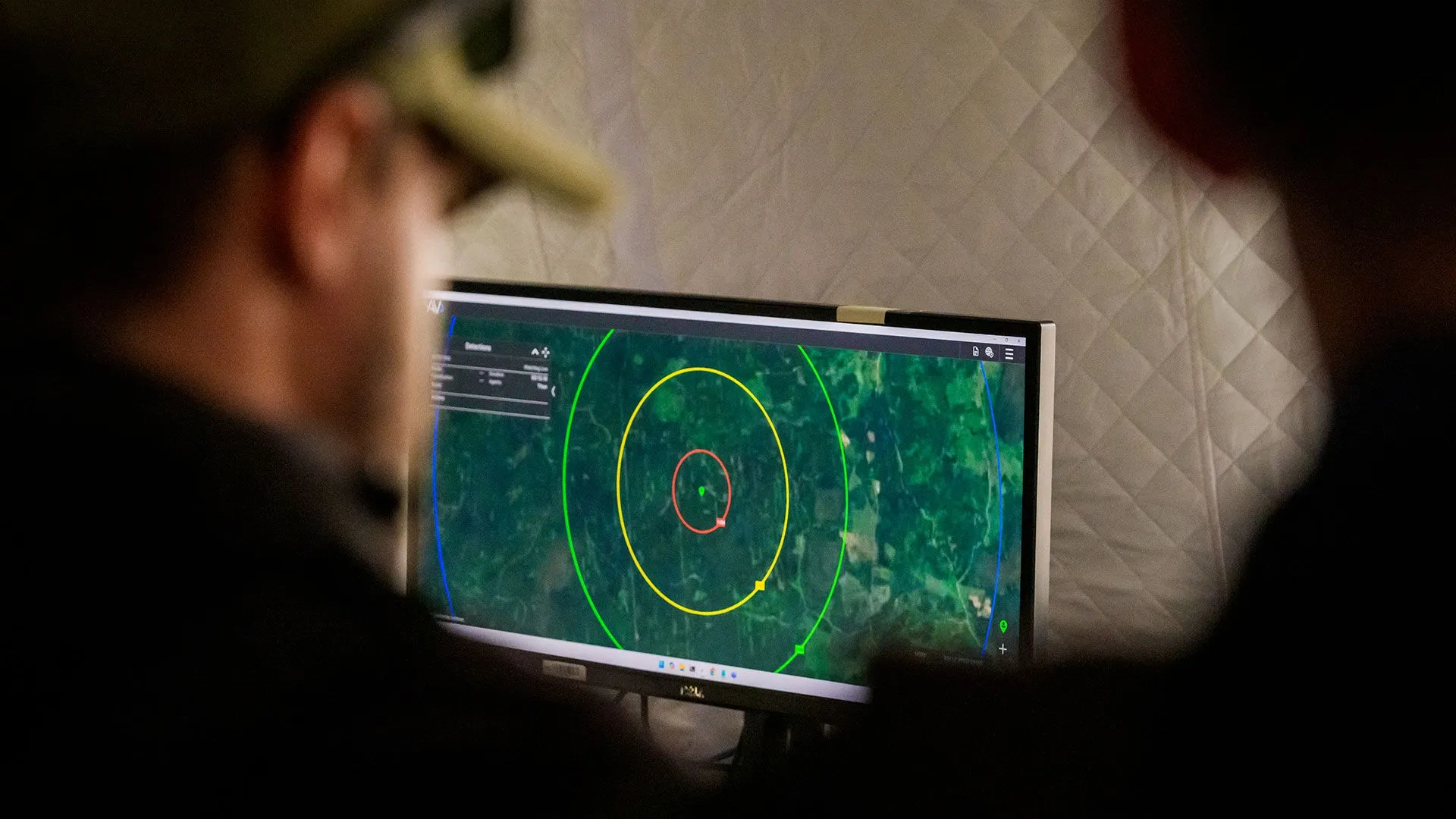
This concept has already moved from theory to practical testing. In the Baltic region, NATO recently conducted a Digital Backbone Experimentation exercise designed to test this potential. During this initiative, the goal was to determine if 5G towers could passively detect and track flying objects, specifically drones, enhancing regional defense resilience.
The results from this experiment pointed toward a powerful synergy between telecom technology and national security. The solution wasn’t just about passive reception; it involved advanced artificial intelligence. Researchers developed AI agents capable of connecting previously disparate systems, overcoming complex interoperability barriers to create a unified sensing network. This demonstrated that existing communication systems could be repurposed to enhance national security.
Admiral Pierre Vandier, NATO’s Supreme Allied Commander Transformation, highlighted the breakthrough, noting that AI agents could connect systems that were never designed to communicate, fixing critical operational systems in hours. This highlights how advanced artificial intelligence is unlocking the potential of telecommunications infrastructure for complex military applications.
The potential is far-reaching. For instance, in the United States, demonstrations showcased the practical application of this sensing technology. AT&T and Ericsson successfully demonstrated drone detection over a 5G network near a major sporting venue in Texas. This system proved capable of locating and tracking multiple drones flying at altitudes between 300 and 400 feet within the coverage area.
The choice of location underscores the utility of this technology: major public spaces and complex environments can be actively monitored for low-altitude threats. This capability offers a significant advantage in supporting new levels of threat detection and tracking around public spaces and critical infrastructure.
This successful integration of commercial networks with defense technology suggests a path toward a more resilient security framework. By piggybacking on existing commercial masts, nations can gain enhanced drone sensing capabilities with relatively little additional infrastructure investment. Whether it is 5G or the forthcoming 6G, the future of defense sensing may simply be found in the airwaves we already use every day.
Credit