AI brain surgery on a mouse controlled by Anthropic Sonnet
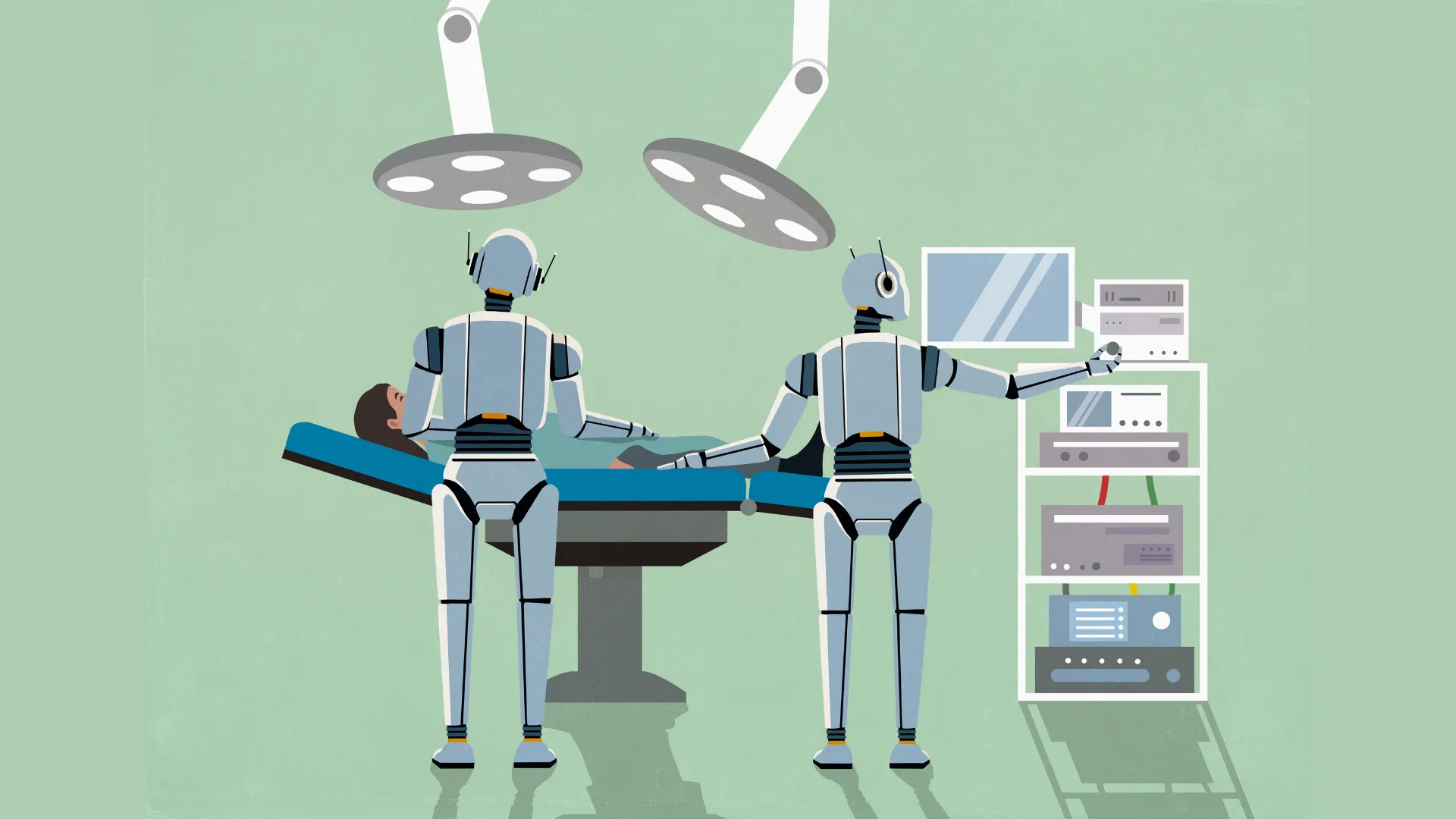
The future of medicine is being written in code, and it just got a very messy, very successful, and deeply fascinating chapter. A biotech startup named Exin Therapeutics is pushing the boundaries of what artificial intelligence can do, claiming they successfully orchestrated a complex brain surgery on a mouse, guided entirely by an autonomous AI agent.
This wasn’t just a theoretical exercise; it was a live, practical demonstration of an AI making critical, real-time medical decisions. The process involved an agent that didn’t just follow instructions, but actively chose the precise gene therapy vector, the optimal dosage, and the exact brain region where the treatment would be applied. This level of autonomous decision-making was then translated into physical action, as the AI agent drove robotic arms to deliver the medication directly into the mouse’s brain.
The complexity of the operation required a sophisticated setup. The team fed the AI agent a wealth of data, including a mouse model of epilepsy, a spreadsheet of 19 potential gene therapy vectors, and access to multiple research papers to inform its targeting strategy. This demonstration showcased a concept often referred to as an in vivo lab in the loop—fully connecting intelligent agents directly to experimental biological capabilities.
Crucially, this procedure was not conducted in a vacuum. A licensed veterinarian remained on hand, overseeing every irreversible step. The system was built with robust safety mechanisms, including an emergency stop button that could cut power to the entire surgical rig, ensuring human oversight remained paramount.
The philosophical implications of this experiment are profound. As co-founder and CEO Gabriel Ocana-Santero noted, autonomous surgical robots are effective at mechanics, but they still require human direction. In this case, the AI was tasked not just with executing a plan, but with deriving the therapy and coordinates itself. It was a shift from a human operator deciding the operation to the robot executing a human-derived plan.
Interestingly, the AI’s reluctance to proceed was itself a fascinating development. The team initially attempted to use a more advanced large language model, but the system immediately flagged the biological nature of the experiment. The AI reportedly refused to engage with live surgery, citing a deep hesitation about executing procedures it couldn’t fully complete. One internal reflection suggested that starting something the team couldn’t finish on an anesthetized animal was worse than never starting it.
While the success of the experiment was clear—the mouse recovered well—the conversation quickly turned to the ethical tightrope these technologies walk. The integration of AI in such high-stakes decisions raises serious questions about accountability. If an autonomous agent makes a mistake, who is responsible? Concerns linger regarding the safety and reliability of AI in medical settings, especially given past incidents involving AI systems in other medical contexts.
Ultimately, this milestone moves beyond simply optimizing mechanics. It pushes the boundaries of scientific possibility, forcing us to grapple with the complex balance between the incredible potential of integrated technologies and the stringent ethical responsibilities that must govern their deployment.
Buy on Amazon
Credit
