AI cloned Adobe and M365 apps
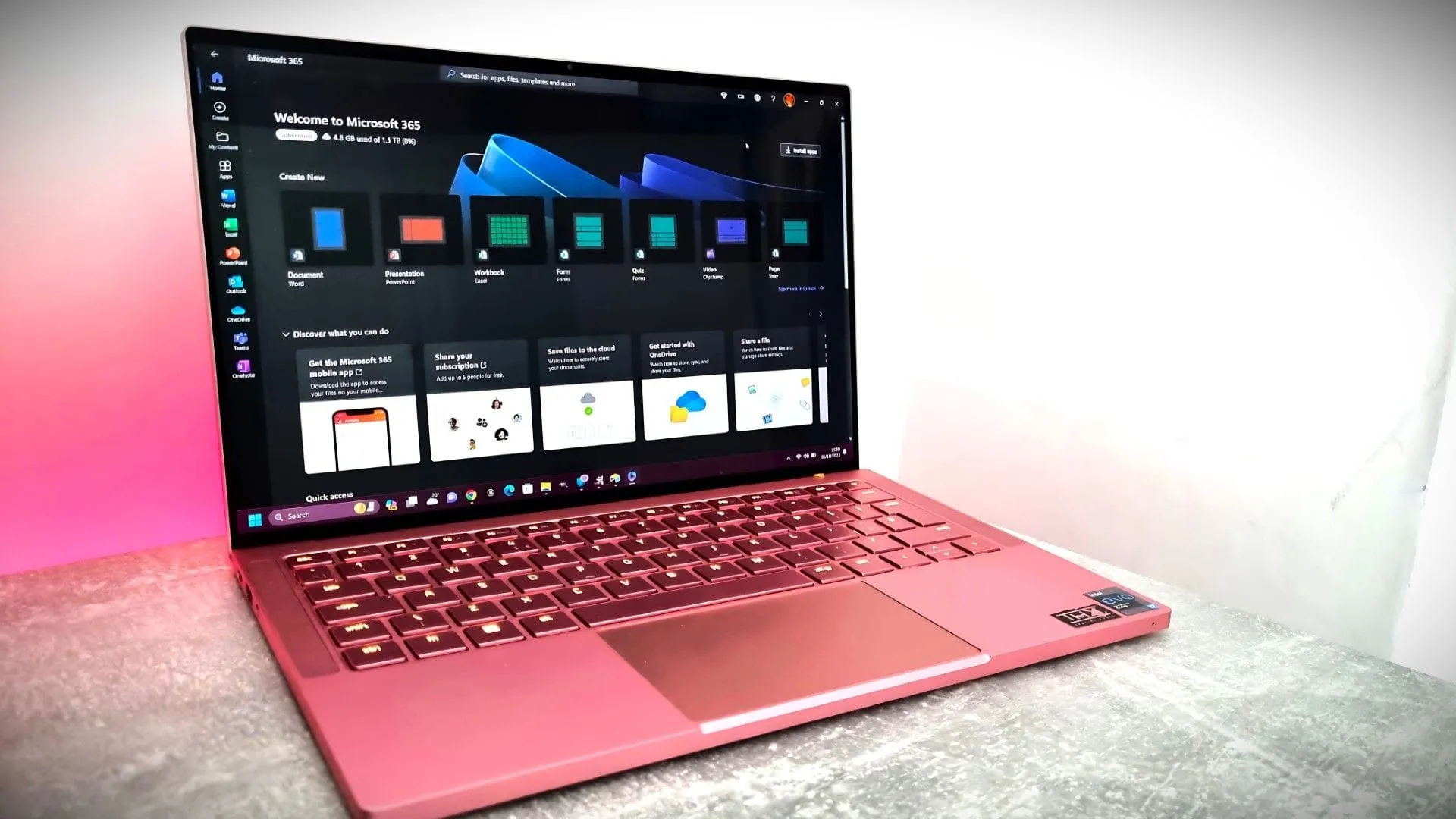
The titans of software—Microsoft and Adobe—have always stood as gatekeepers, commanding hefty subscriptions for tools like Word, Excel, and PowerPoint. But in the rapidly evolving landscape of artificial intelligence, a new challenger has emerged, one that is not trying to simply compete; it is trying to redefine the very boundaries of digital creation. Meet Brandon Thomas, an independent developer who has turned his focus toward replicating these industry-leading suites using the power of AI.
Thomas has leveraged advanced AI agents, specifically the Claude model, to develop a suite of open-source applications. These creations include WordCraft for the document processing, GridCraft for spreadsheet functionality, and DeckCraft for presentation design. These projects are not just technical exercises; they are a direct challenge to the established software economy, offering free, accessible alternatives to paid industry standards.
The initiative, hosted on the ArtCraft GitHub page, has quickly ignited a spirited conversation in the tech community. It raises a fundamental question: Can AI be used to replace the need for expensive, proprietary software? While the answer to this question remains debated, the existence of these AI-coded clones suggests that the barrier between consumer access and sophisticated software is rapidly dissolving.
The visibility of these projects has naturally led to some spirited discourse. Some observers have pointed out that the pursuit of this goal has led to a spirited back-and-forth, with some suggesting the development process is far ahead of current timelines. The excitement is palpable, fueling a debate about the role of open-source software versus proprietary giants.
This movement highlights a deep-seated passion among developers to build and innovate without reliance on monthly subscriptions. By demonstrating that complex software functionality can be replicated through AI coding, Thomas and others are pushing the envelope on what is achievable in the realm of software development.
The resulting “clone wars” are more than just code; they represent a shift in philosophy. They illustrate the potential for AI to democratize access to powerful tools, forcing a reevaluation of the necessity of large corporate monopolies in the productivity space. As these applications continue to evolve, the conversation about the future of software ownership and creation is only just beginning.
Credit
