AI Component Hikes Shift PC Manufacturing Back to China
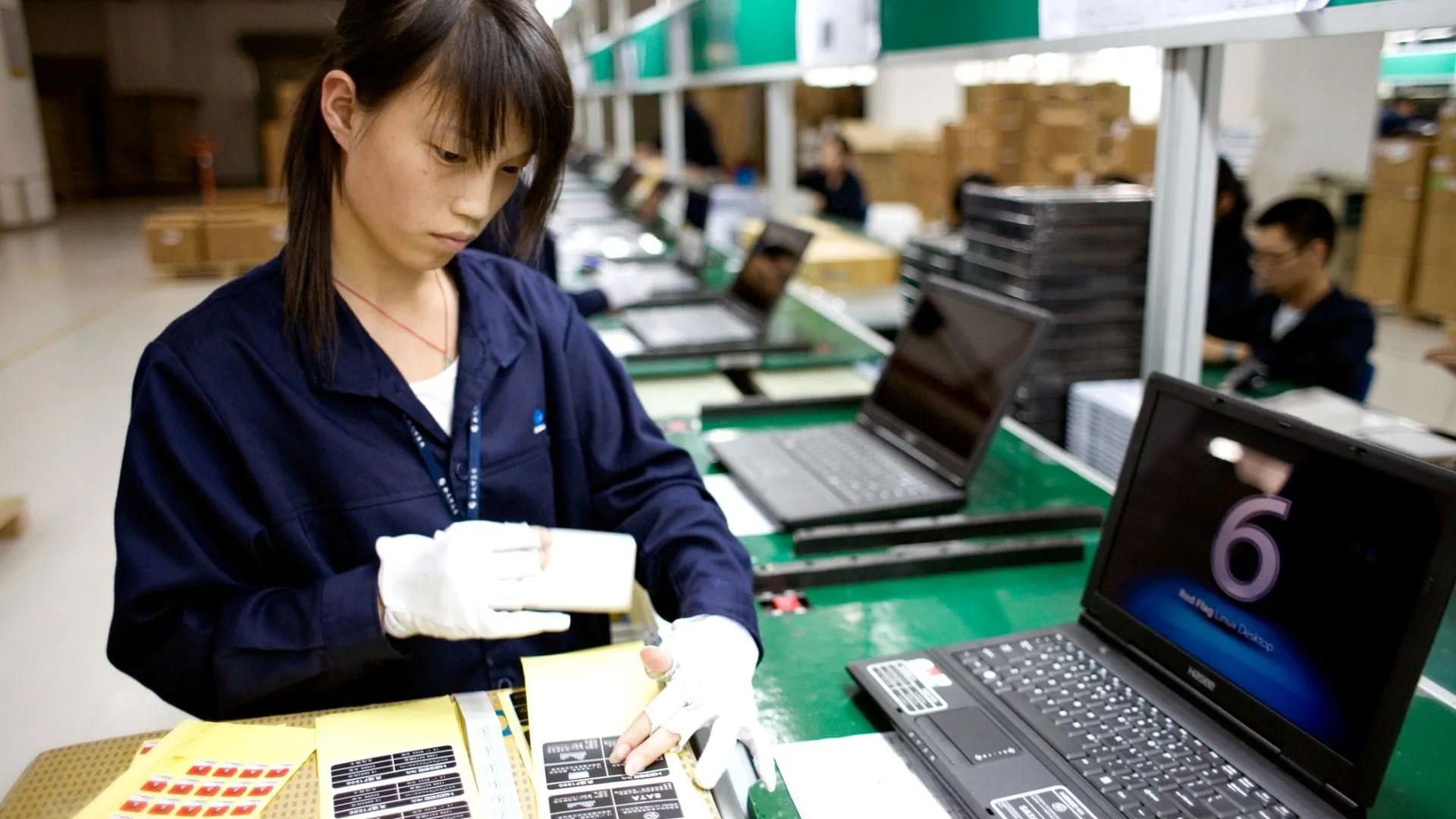
The quest for the next generation of computing, fueled by the staggering demands of artificial intelligence, is forcing a dramatic reshuffle in the global manufacturing landscape. Major PC brands, including HP, Asus, and Acer, are quietly shifting some of their production capacity back into China. This strategic move is less about a simple relocation and more about a calculated response to skyrocketing component costs.
The primary culprit behind this pivot is the AI boom itself. As the demand for specialized memory and storage chips has exploded, the bill-of-materials costs for these devices have soared. Memory prices, for instance, have climbed an unprecedented 500% in just twelve months, leading to intense pressure on manufacturers to protect their profit margins.
This inflationary pressure isn’t limited to memory. Other essential components, such as PCBs and the fiberglass cloth used in motherboard manufacturing, are also seeing steep price increases. Industry leaders have publicly lamented these hikes, recognizing that the competition for materials is tightening.
While the global trend has encouraged many tech companies to pursue a “China+1” diversification strategy—seeking friendlier nations to mitigate geopolitical risk—the immediate financial reality has pushed some companies back into the established ecosystem. The advantages of manufacturing in China, which includes access to a vast, experienced workforce and an already established supply chain ecosystem, made it an attractive, albeit costly, option in this high-pressure environment.
However, this isn’t simply a return to the status quo. These manufacturers are not defaulting to traditional giants like Foxconn, who have already focused their massive capacity on the specialized needs of AI data centers. Instead, the companies are forging new partnerships with smaller Chinese contract manufacturers, such as Luxshare, Huaqin Technology, and Longcheer Technology, who are actively building their presence in PC manufacturing.
These smaller players are positioning themselves as a viable alternative, marketing their ability to secure access to domestically sourced memory chips and assist in stabilizing complex supply chains. They are essentially capitalizing on the cost-saving environment created by the larger industry’s search for competitive sourcing.
The shift creates a fascinating paradox in the broader supply chain narrative. While moving capacity back into China eases immediate cost concerns for PC makers, it creates friction for the emerging manufacturing hubs in Southeast Asia. Companies that had established new production lines in places like Thailand are now seeing substantial orders redirected back to China, raising questions about the long-term viability of those newer regional efforts.
Ultimately, the story reflects the complex dance between economic necessity and geopolitical strategy. Building a fully domestic, resilient supply chain for consumer electronics is undeniably slow and expensive. While some entities are testing the waters of entirely localized production, for PC manufacturers vying in the intensely competitive consumer market, the immediate focus remains on finding the lowest possible costs to stay competitive.
Buy on Amazon
Credit
