AI doom loops predicted: Microsoft exec warns the internet will hollow out
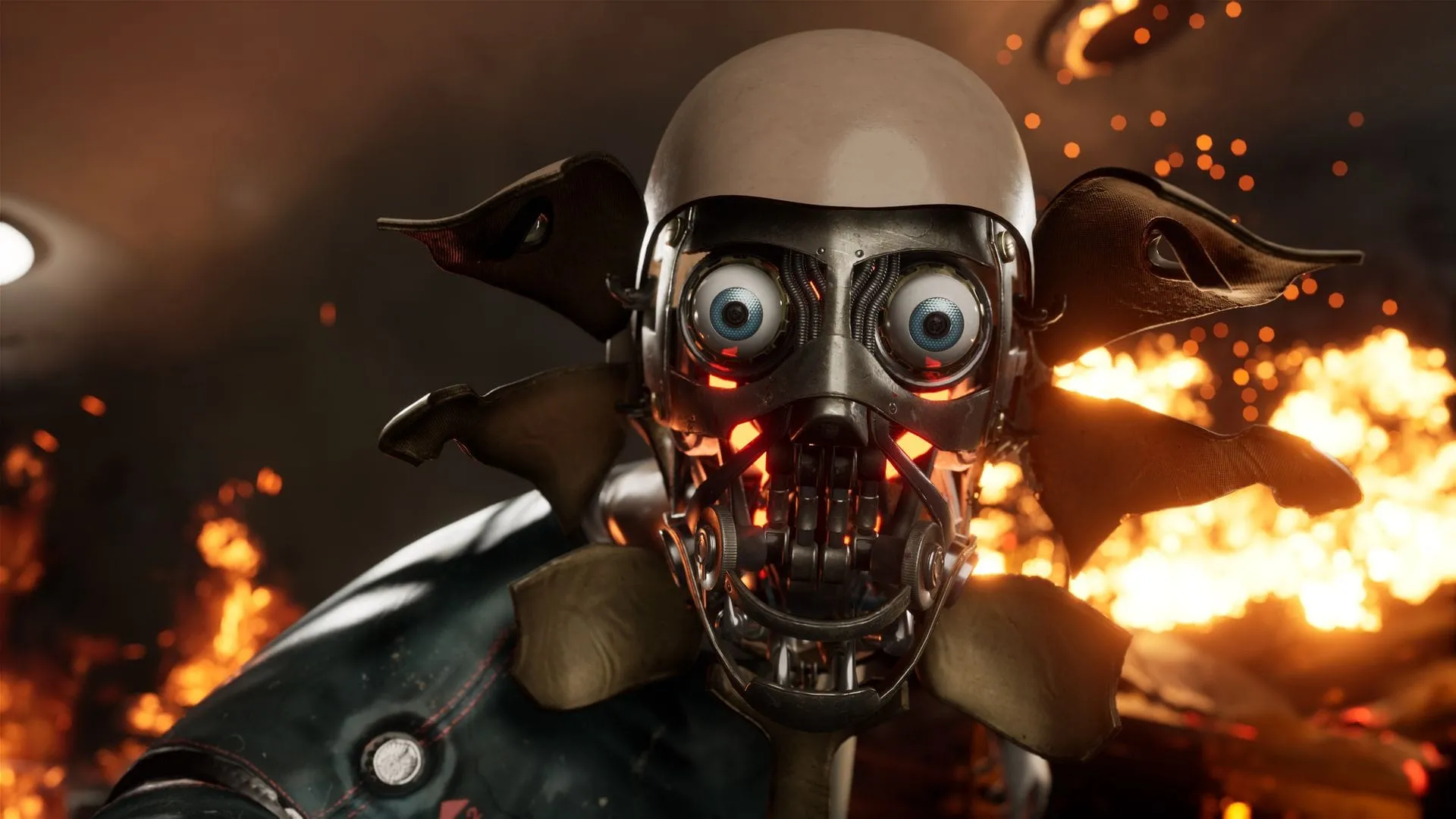
The AI Gold Rush: How Giants Are Fighting Over the World’s Biggest Theft of Labor
In December 2023, a massive legal showdown erupted when The New York Times filed one of the most significant copyright lawsuits in recent memory against OpenAI and Microsoft. The claim? That their AI models had essentially heisted colossal amounts of journalistic work from the Times to train themselves.
Two days ago, a newly unsealed court filing provided a fascinating, if slightly alarming, glimpse behind the curtain. It contained revealing quotes from high-level executives at both Microsoft and OpenAI, illuminating the internal reality of how this AI scraping took place.
The sentiments expressed by Microsoft’s director of applied science, Brent Hecht, offer a stark perspective on the process. He reportedly wrote in an internal presentation that Copilot’s answer engine would hurt the performance of our models and the entire web at the same time.
This internal view of the issue suggested a concerning dynamic: an AI scraping vast amounts of written work for its economic value, then feeding it into easily accessible AI answers. Hecht described this process as a doom loop, questioning why an end-product threatens the economic foundations of its essential suppliers.
The data unearthed in the filing paints a vivid picture of the impact. Internal Microsoft data indicated that the AI engine caused a noticeable dip in click-through rates for The New York Times search results, dropping between 87% and 93% compared to standard Bing searches. Similarly, click-through rates for domains owned by Ziff Davis, which includes publications like Eurogamer and IGN, fell between 51% and 94%.
The internal correspondence also highlighted the ease with which the material was accessed. When a researcher for OpenAI, Nick Ryder, inquired about a way to bypass the Times paywall to scrape its writing, OpenAI president Greg Brockman’s response was simply, ah nice.
This exchange, combined with the internal admissions, strongly challenged the typical defense of fair use. The lawsuits force a confrontation over whether the vast, unchecked use of copyrighted material for training constitutes legitimate use or a systemic theft of human labor.
The high stakes extend to the leadership level. Microsoft CEO Satya Nadella, in a deposition earlier this year, stated that if he had known OpenAI was training its LLMs on paywalled information, he would have compelled the company to retrain its models.
Ultimately, this legal battle is more than just a copyright dispute; it is an unfolding conversation about the economic implications of artificial intelligence. It asks whether the future of generative AI can be built on a foundation that ignores the intellectual property and labor that fueled its initial growth.
Credit
