AI fuels PCB shortage for PC makers until 2030
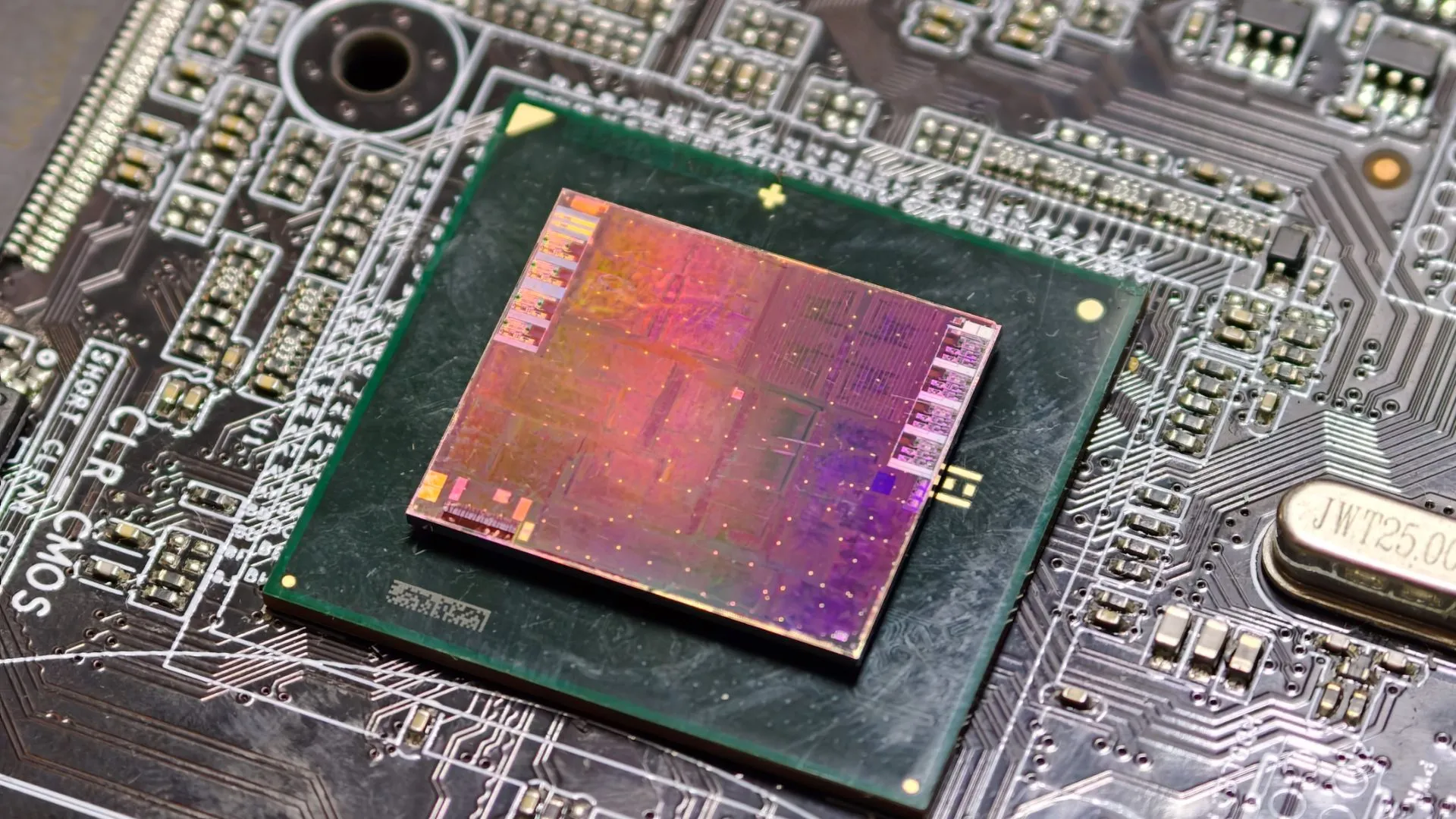
The explosion of the artificial intelligence industry is not just reshaping software; it is triggering a massive, industrial-scale consumption of manufacturing resources, forcing a reevaluation of the entire tech supply chain. What started as a race for powerful processors quickly expanded into a desperate scramble for the foundational components that make them run, leading to a surprising bottleneck in an often-overlooked area: the Printed Circuit Board (PCB).
While the focus has been on memory, GPUs, and storage—where prices have seen staggering increases—the demand for the physical infrastructure of electronics is now pushing hard on the supply chain. As AI data centers consume unimaginable amounts of power and processing capacity, the need for complex circuit boards, which serve as the backbone for all these systems, has become critical.
This heightened demand is quickly translating into real-world constraints. Industry leaders are now grappling with severe shortages and escalating prices for PCBs and their necessary subcomponents. What was once an unglamorous, lower-tech component is now central to the high-stakes AI race, creating serious logistical headaches.
The impact on manufacturers has been immediate and severe. Executives in the PC sector are struggling to secure sufficient PCB supplies needed to plan for future product lines. Lead times have dramatically stretched; some PCB orders are now projected to take as long as thirty months to fulfill, and some suppliers anticipate new orders will not be fulfilled until late in 2028.
The pressure doesn’t stop at the finished board. PCB makers themselves are facing upstream challenges, needing to secure specialized materials like copper clad laminates (CCLs) and specialized fiberglass used in PCB construction. The cost of these essential materials has skyrocketed, with some suppliers reporting increases of twelve times since the summer of last year.
Despite these difficulties, major players are working to expand capacity. A leading supplier of CCLs, for instance, is managing an order book that is currently filling up through 2030, even while planning ambitious expansions to triple capacity by 2028. This demonstrates the immense, sustained thirst for advanced circuit materials.
The shift in focus is also visible at the chip level. Companies like Nvidia are forging deeper partnerships with major chip substrate makers, such as Japan’s Ibiden, South Korea’s Samsung Electro-Mechanics, and Taiwan’s Unimicron, all racing to expand their manufacturing capabilities. This move signals a recognition that these intricate PCB substrates are no longer mere accessories but essential components in the new AI ecosystem.
Ultimately, the AI boom is forcing a powerful evolution in the electronics supply chain. As the industry races to produce advanced PCBs and chip substrates, it is simultaneously addressing the growing need for highly skilled engineering staff. Wages across the PCB industry have already risen by twenty to thirty percent to attract the talent needed to handle this complex, high-demand future.
Buy on Amazon
Credit
