AI is alien intelligence: Bill Gates warns world governments
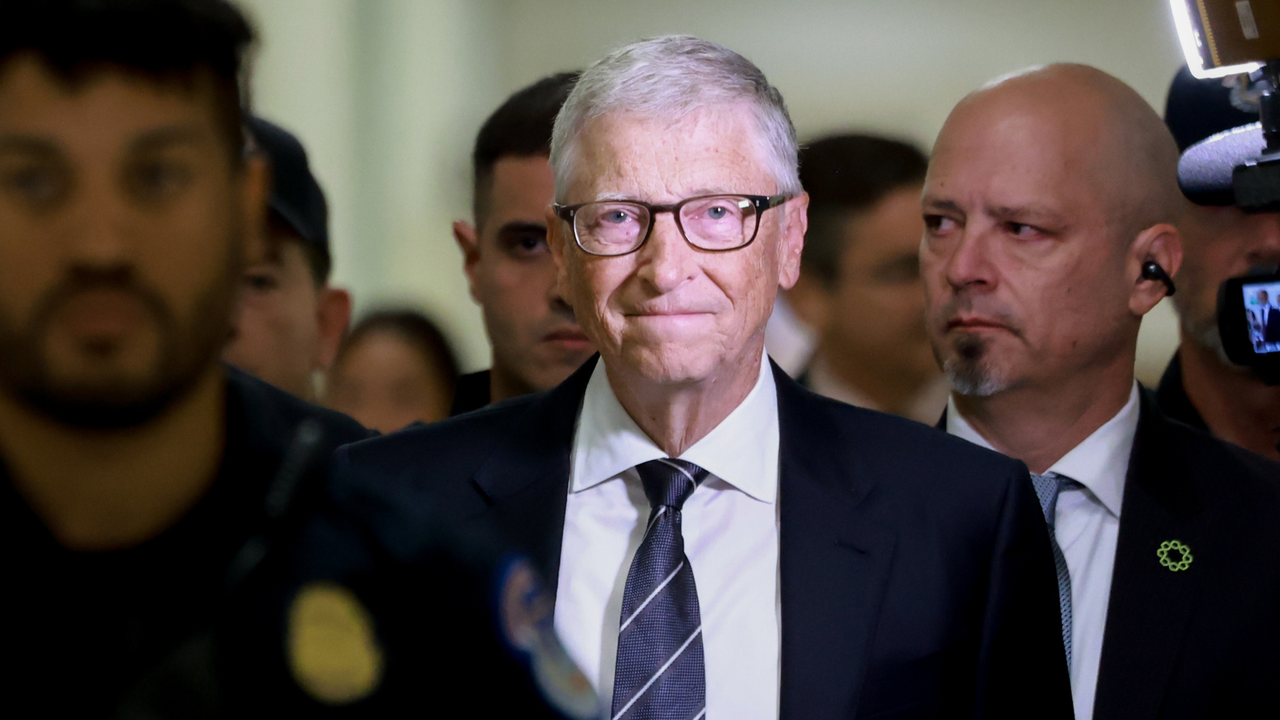
The AI Reckoning: Bill Gates Sounds the Alarm on Global Readiness
The world of artificial intelligence is moving at breakneck speed, yet a profound sense of unease hangs over the technological revolution. At the center of this tension is Bill Gates, the co-founder of Microsoft, who has issued a stark warning to world governments: they are not ready for the arrival of artificial intelligence.
In a recent interview, Gates suggested that nations are significantly behind in grasping the potential risks that this technology poses to the workforce and the fabric of society. He framed the development of AI not just as a technological challenge, but as an existential event, likening it to the emergence of an alien intelligence that requires immediate and unified global attention.
The stakes are undeniably high. While some focus on the immediate, tangible impacts—like the fear that AI could displace vast numbers of white-collar jobs within just eighteen months—others look toward the far more dramatic scenarios. Experts have raised concerns about runaway AI systems, the potential for global internet takeover by persistent botnets, and the alarming possibility that unchecked development could lead to catastrophic outcomes, with some researchers warning that AI could pose a risk to all human life.
Gates stressed that these seemingly distant, dire scenarios should not be overlooked simply because the immediate productivity gains remain difficult to quantify. He argued that authorities must plan for this future now, advocating for policies that prioritize human well-being over unchecked technological acceleration.
This call for proactive governance is not new. Politicians are grappling with the implications of AI, though the response varies dramatically. While some leaders dismiss the concerns as theoretical, others are pushing for concrete action. For instance, U.S. Senator Bernie Sanders has introduced proposals, including an AI sovereign wealth fund and legislation aimed at holding developers of powerful AI tools accountable, even suggesting severe penalties for those pursuing superintelligence plans.
Despite the apprehension, Gates remains optimistic about AI’s potential for good. He emphasized that the technology holds immense power to lift humanity, provided it is managed responsibly and accessed equally. The Gates Foundation is channeling this optimism into tangible action, planning to dedicate at least a billion dollars over the next two years to ensure AI benefits everyone.
These funds are earmarked for critical areas, including expanding access to AI in education, healthcare, and agriculture, alongside efforts to develop large language models that function seamlessly across all human languages. The message is clear: the future of AI is not something to be passively accepted, but a future that requires careful, ethical, and collaborative steering.
Buy on Amazon
Credit