AI patch boosts Oblivion Remastered FPS
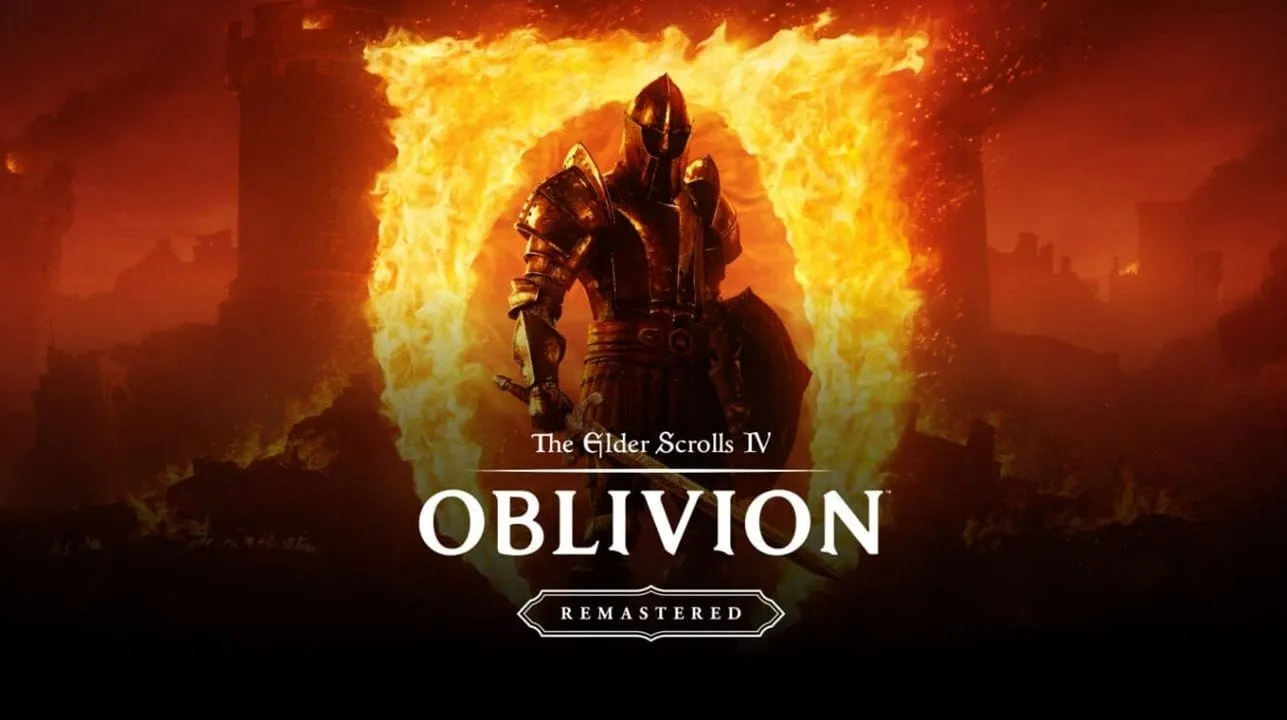
The world of gaming is constantly chasing perfection, but sometimes, even massive hits run into technical friction. The recently remastered epic, The Elder Scrolls IV: Oblivion Remastered, delivered massive success upon launch, quickly racking up over nine million players in just three months and selling more than two million copies on Steam. It was a triumph of fantasy and community enthusiasm.
Despite the widespread acclaim, the community wasn’t entirely without its frustrations. Many dedicated fans voiced concerns about the game’s performance, citing issues like stuttering, noticeable frame spikes, and overall optimization shortcomings. These technical hiccups, often blamed on the demands of using Unreal Engine 5, became a recurring source of discussion among the player base.
But where enthusiasm meets frustration, an unexpected solution emerged: artificial intelligence. A dedicated user took matters into their own hands, venturing into the realm of “vibe coding” to address these performance snags. This wasn’t theoretical; it was practical, community-driven problem-solving applied directly to the game’s code.
One example of this ingenuity involves a player who encountered these issues despite running high-end hardware, including an AMD 9070 XT, 32GB of DDR4 RAM, and a Ryzen 9 5800X processor. Instead of waiting for official fixes, this user decided to experiment with advanced tools. Choosing to use Claude instead of other models, this individual managed to implement a performance patch that resulted in a remarkable 37% boost in the game’s average frame rate.
This experience highlights a fascinating shift occurring across the gaming landscape. We are witnessing an AI wave where community members are leveraging these tools to improve and modify game experiences, tackling bugs and optimization issues that developers may have overlooked. It showcases a new level of user empowerment in the development cycle.
This trend extends beyond single game fixes. We are seeing AI fuel creative mashups and experimental ports, such as combining elements from different titles or creating seemingly impossible gameplay scenarios. This wave of community innovation is pushing boundaries in what we consider possible within gaming.
Recognizing the power of these emerging technologies, major industry players are responding. For instance, Xbox has formalized Xbox Labs, a division dedicated to exploring unique technologies like backward compatibility, FPS boosts, and AI experiments. This move suggests that the integration of AI is no longer a fringe concept but a core focus for future gaming evolution.
The journey of Oblivion Remastered, and the innovative use of AI to refine its experience, is just one sign that the future of gaming is about collaborative innovation. It proves that when developers and passionate players work together, the limits of what we can achieve are constantly being redefined.
Credit
