AI sector wipeout risks global financial contagion IMF warns
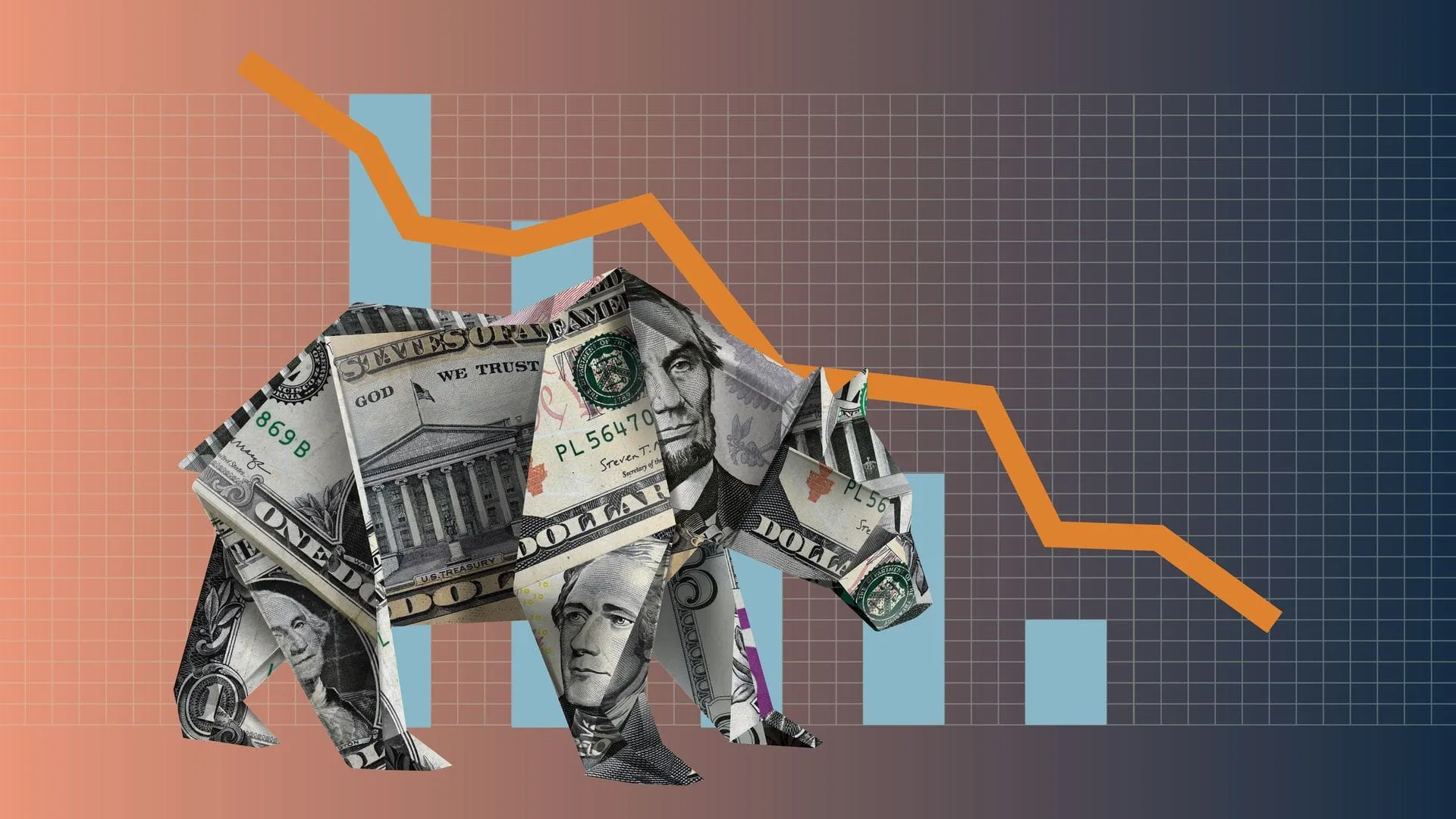
The world of artificial intelligence is currently booming, fueled by unprecedented capital flows and dazzling technological promises. But beneath the surface of this digital gold rush, some analysts are warning that the financial structure supporting the AI revolution might be built on more sand than concrete. The International Monetary Fund (IMF) has recently issued a stark assessment, painting a picture that suggests the current AI-driven economic expansion could face significant headwinds.
The concern centers on the circular economy of AI investment. While the excitement is palpable, the IMF is examining how heavily the global economy has become tethered to these AI-related capital flows. The report suggests that a downturn in this sector could ripple far beyond the tech industry, potentially impacting global GDP, investment, and consumer spending by 2028.
To understand the risk, the IMF distinguishes between the heavyweights and the rest of the ecosystem. Certain firms—those providing the foundational components, like chipmakers such as TSMC, Nvidia, and memory producers like SK hynix—are reaping historic windfalls. These are the companies selling the shovels in the gold rush, with much of their production already secured years in advance.
The real vulnerability, however, lies with the non-core players. The report highlights that while these core firms are relatively secure, the broader ecosystem, particularly hyperscalers, carries inherent risk. The data shows that $300 billion was invested in “financially weaker” AI companies, primarily by these massive cloud providers, alongside $650 billion in associated debt. This vast concentration of virtual dollars, focused on a handful of entities, amplifies the potential for a systemic shock.
Adding complexity to the picture is the risk of leverage. Hedge funds have significantly increased their leveraged positions and margin borrowing, exposing themselves directly to the volatility of the market. This trend, coupled with the high demand for tech stocks, has pushed the share of single stocks in leveraged ETFs to 28%. If the equity market experiences a sharp correction, this leverage could trigger a powerful feedback loop of selling and instability among lenders.
Despite these concerns, the IMF notes a positive side effect: AI has proven to be an important source of support for the global economy and financial markets. In a time marked by geopolitical uncertainty and rising energy prices, this investment has acted as a stabilizing force. Furthermore, recent stress tests on major banks indicated they would remain broadly resilient even in the face of an AI-driven market correction.
The central question remains whether this supportive trend is sustainable. The IMF posits that a correction might occur if the underlying AI investments prove “weaker or less durable” than anticipated, suggesting that the required level of AI computing or profitability may be lower than currently hoped. In such a scenario, the Fund projects a potential global slowdown: a 0.4% drop in GDP, a 1.3% decline in investment, and a 0.6% decrease in consumption by 2028.
The hyperscalers, while making a fortune from AI demand, are increasingly stretched financially due to their massive capital expenditures on AI gear. They now represent 10% of investment-grade bond issuance, up significantly from less than 1% in 2024. Whether investors maintain this appetite for the debt flowing through the industry will ultimately determine the long-term trajectory of the AI gold rush.
Credit
