AI threat stops demo: Developer cancels horror drinking game
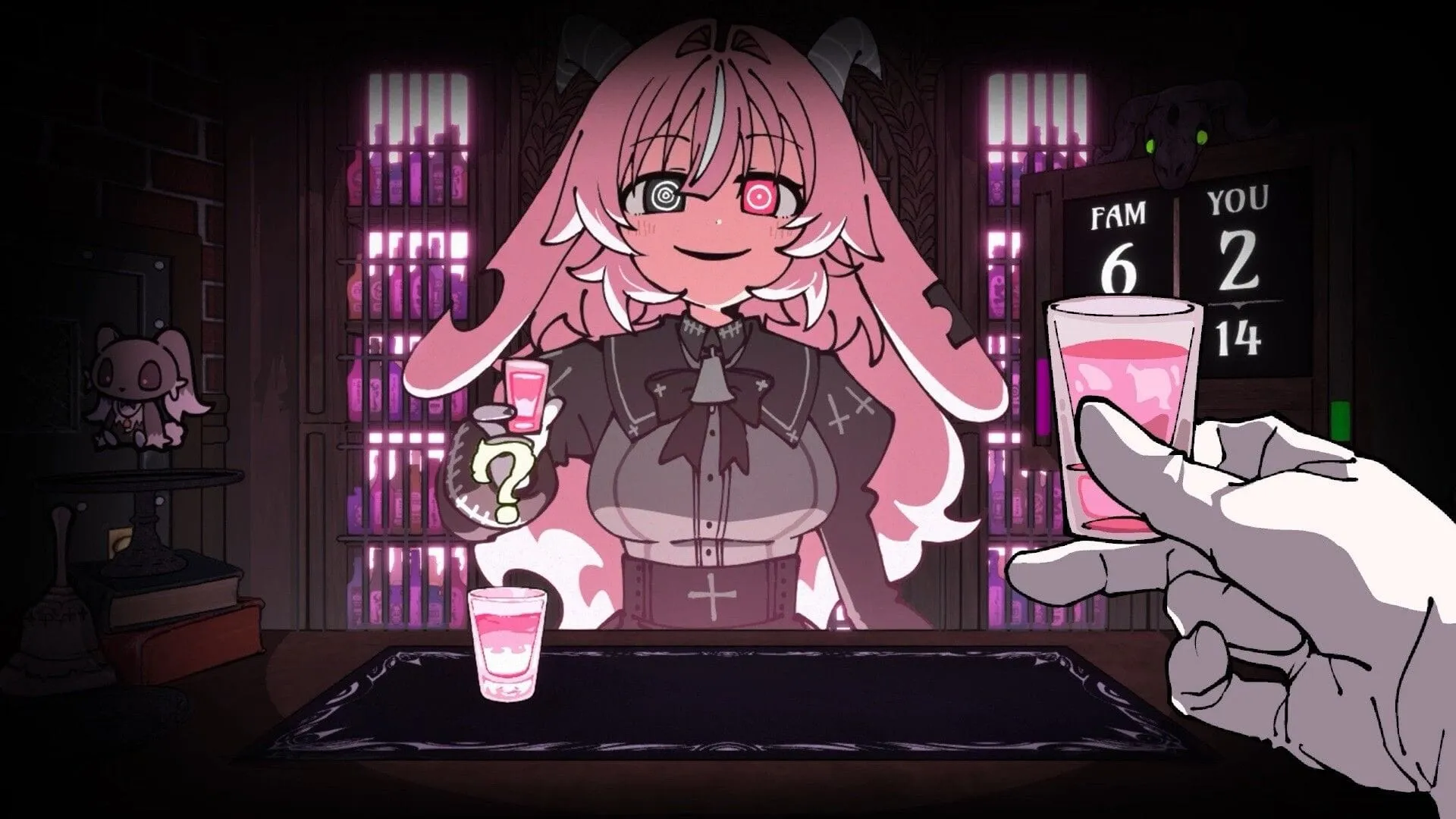
In the rapidly evolving world of indie game development, the pursuit of early access and community engagement is often met with an equally modern challenge: the rise of generative AI. When developer Alliance Arts decided to pull back plans for a public Steam demo, they weren’t just managing a schedule; they were responding to a palpable fear that their creative work could be instantly consumed and replicated by AI cloners.
The specific project in question is Drunken Goddess Reflux, a drinking game based on a concept described as a “shot glass Russian roulette.” While the game itself features a delightfully wild mechanic where the rules escalate with every drop of alcohol—aiming for a certain level of blotto mayhem—the main concern for the team was the potential misuse of the demo content.
Alliance Arts had originally slated the Steam demo for release on October 19th. However, the studio opted to pivot, announcing a shift toward hosting private, closed online play sessions for a limited number of participants instead of a public showcase. The reasoning behind this change was rooted in digital security: they felt they could not properly manage restrictions on posting and streaming gameplay videos, and more critically, they were worried that a public demo would be easily exploited.
The primary anxiety centered on the threat of AI-coded clones. Developers fear that the unique presentation and gameplay mechanics of their games could be rapidly imitated and replicated using AI tools, potentially leading to unauthorized copies being released before the official launch.
This concern is far from isolated. The issue of blatant copying is not new, but the advent of sophisticated AI tools has dramatically accelerated the speed and efficiency of cloning. In recent history, developers have faced this threat directly; for instance, one developer shared a game prototype online only to have a “vibecoded” knockoff posted within five hours. Similarly, developers sharing their work on platforms like Bluesky have seen numerous instances of their projects being almost instantly copied by AI cloners and released on Steam.
This shift highlights a growing dilemma for the indie community. One of the most effective ways for games to thrive in today’s crowded market is through early sharing and building a dedicated community around the idea. Yet, if game platforms and distribution stores do not adopt firmer measures against blatant copycats, developers may be forced to adopt more cautious strategies, like Alliance Arts’ move toward controlled access, to protect their intellectual property.
Ultimately, the story of McPixel developer Sos Sosowski, who shared numerous examples of other indie developers having their works copied by AI cloners, underscores a critical point: while innovation in game design continues to explode, the developers behind it must now also focus on digital defense. The battle for creative ownership in the age of artificial intelligence is clearly taking shape, forcing developers to balance the desire for visibility with the imperative of protection.
Buy on Amazon
Credit
