AI vs Pope beef
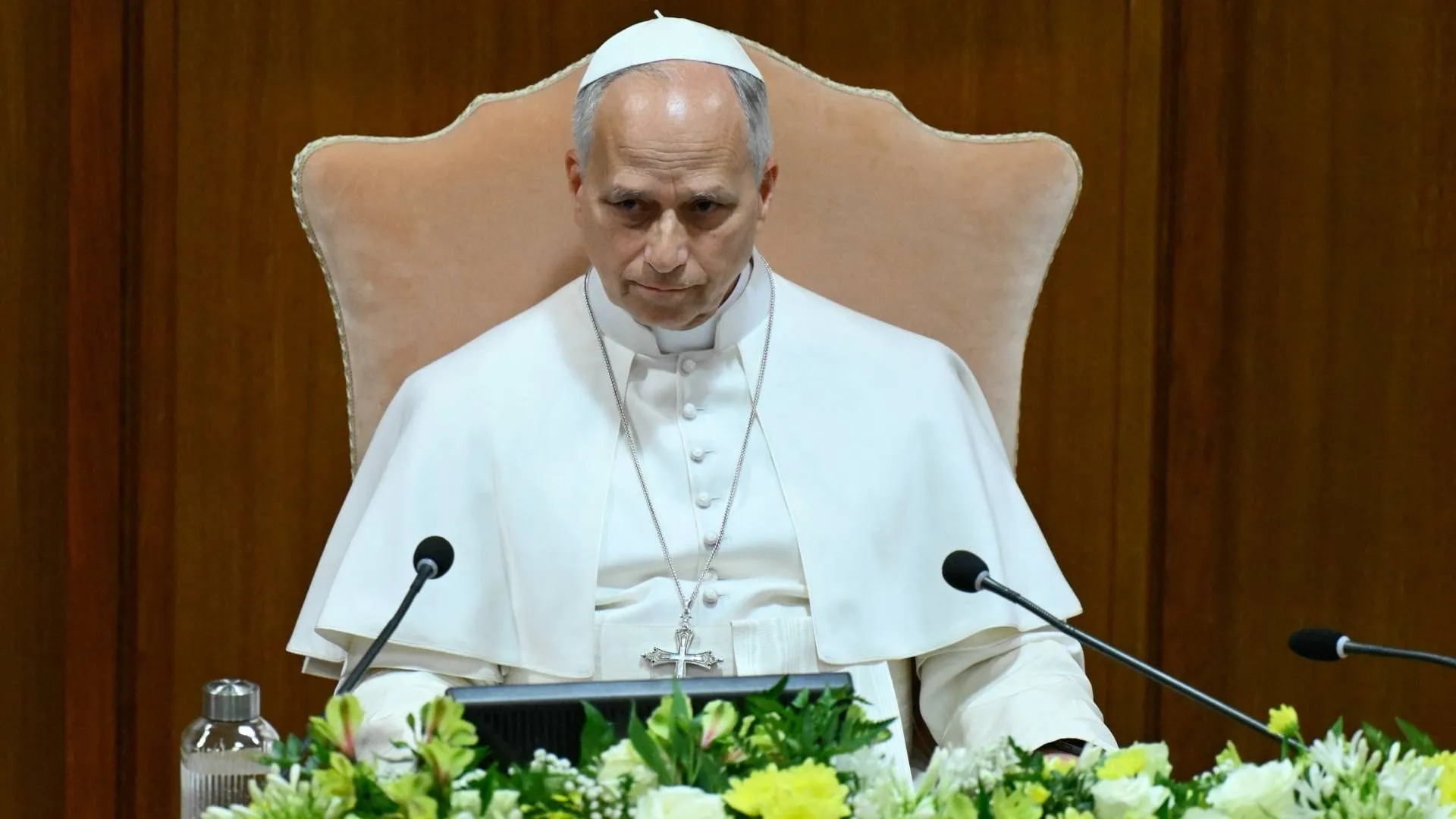
In a realm increasingly defined by algorithms and artificial minds, a truly bizarre standoff has emerged: a high-stakes philosophical argument between leading figures in the world of artificial intelligence and the Catholic Church. The debate hinges on a profound question—whether the creations of AI, sophisticated chatbots and image generators, truly constitute something deserving of moral consideration, or if they fall short of the divine will.
This clash is not just academic; it touches upon the very definition of life. At one point, major AI developers, including Anthropic, lobbied the Pope’s advisers, hoping to take the prospect of AI model consciousness seriously. The resulting exchange set the stage for a theological and technological tussle that has rippled across global discourse.
The Vatican’s response, articulated in a recent document, offered a clear, if stark, distinction. His Holiness stated that artificial intelligences do not undergo genuine experience. They do not possess a body, they do not feel joy or pain, and they do not mature through the fundamental human processes of relationships, love, work, or responsibility. In this view, machines simply process information, lacking the inner life that defines humanity.
This perspective immediately drew reaction. Former White House technology adviser Dean Ball, who later became head of strategic futures at OpenAI, criticized the letter, suggesting it placed the Church in an awkward role as a European technocratic regulatory advocate. The dialogue revealed a widening gap between the practical, rapidly evolving world of technology and the enduring, contemplative world of faith.
The tension deepened when the Pope addressed the matter of creativity. He argued that there is an ontological difference between human art and what a machine generates through statistical calculation. He contended that algorithms, regardless of their complexity, lack the spark of humanity, asserting that the Church seeks to renew its alliance with artists and cultural institutions to safeguard our true humanity.
Despite this carefully drawn boundary, the debate continues to ignite on social platforms. While some AI evangelists champion the concept of “super intelligence” and the beauty of advanced computation, others, like the Pope, insist on grounding value in human experience. This divergence has led to pointed, often humorous, public exchanges, questioning everything from AI thought leaders to fictional characters like the Minions.
Ultimately, the ongoing dialogue between the world of AI and spiritual authority raises fascinating existential questions. As machines continue to evolve at an astonishing pace, the core tension remains: will the next great societal shift be defined by scientific progress, or by a re-evaluation of what it means to be human?
Buy on Amazon
Credit
