Ajinomoto cuts chip film supply to China by 30% amid trade curbs
The Great Film Game: How a Supply Cut is Redrawing the Semiconductor Map
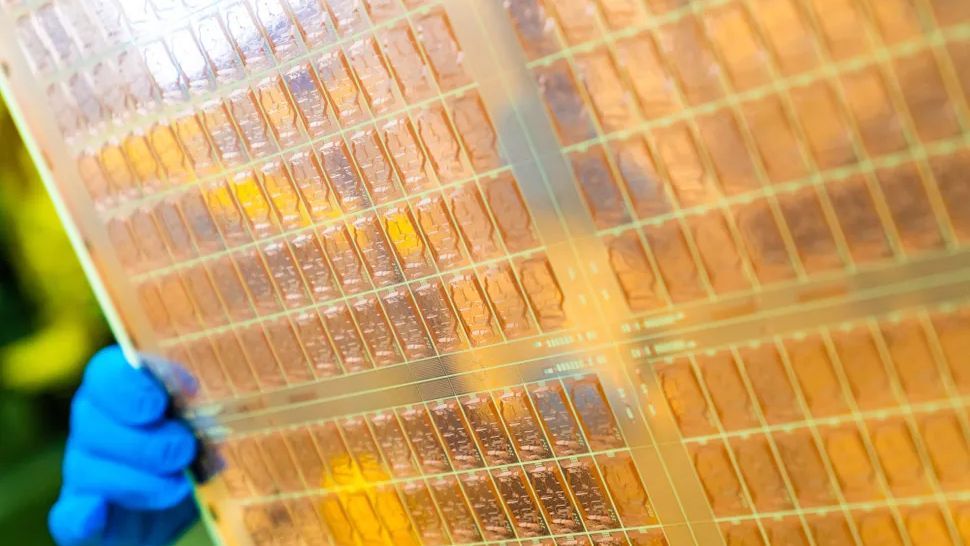
In the high-stakes world of semiconductor manufacturing, a seemingly simple supply chain decision has ignited a geopolitical drama. Japanese chemical giant Ajinomoto has reportedly signaled a drastic move to reshape the market, telling customers in mainland China that it will reduce the supply of ABF, the critical insulating build-up film used in nearly every high-end processor package, by 30%.
This announcement is not just a corporate shift; it is a direct squeeze on key Chinese manufacturers like Shennan Circuits, Xingsen Technology, and Shenghong Electronics, who currently rely heavily on Ajinomoto’s commanding 95% global market share for this specialized film. Given that China’s domestic self-sufficiency rate for these advanced materials is thought to be below 5%, this reported reduction sends ripples of concern throughout the tech sector.
The reasoning behind this move appears focused squarely on global priorities. Reports suggest Ajinomoto is prioritizing Japanese customers and core overseas accounts—those supplying FC-BGA substrates for major players like Nvidia, AMD, and Intel accelerators—over mainland buyers. While the exact volume figure remains debated, the resulting squeeze is already well-documented, reflecting a long-term response to global demand dynamics.
The foundation of this tension lies in a fundamental supply crunch. ABF material accounts for about 30% of a substrate’s bill of materials, meaning any disruption has an immediate, compounding effect on the cost of every sophisticated chip package. As the AI chip boom accelerates, the gap between the supply of ABF substrates and the soaring demand is predicted to widen dramatically, moving from a 10% gap in late 2026 to 42% by 2028.
Amid this backdrop of scarcity, China is not standing still. Domestic efforts are rapidly deploying alternatives to challenge the established dominance. Chinese innovators are focused on developing films that bypass Ajinomoto’s intellectual property. For instance, Huazheng New Material has developed CBF, a film utilizing a modified epoxy resin that routes around proprietary technology, and its mass-production yield is reportedly above 85%.
Other domestic efforts are also gaining traction. Lotus Holdings acquired a stake in Shenzhen Newface, which is advancing NBF technology, while Hongchang Electronics is co-developing GBF with Taiwan’s Jinghua Technology. These competing films are undergoing rigorous qualification processes, facing the multi-year challenge of ensuring downstream reliability in thermal cycling and aging tests.
The technological landscape is also shifting away from the traditional film model. For example, Huawei’s Ascend architecture, which utilizes organic substrates, is reportedly sidestepping the high layer-count ABF-based FC-BGA substrates used by competitors. This move positions China’s domestic film alternatives as potential anchor qualification targets, sidestepping the direct dependency on Japanese film supply chains.
Furthermore, a long-term strategic shift is underway. Companies like BOE and Corning are pursuing glass substrate agreements, positioning glass-core packaging as a strategic alternative. While glass doesn’t eliminate the need for insulating films, it represents a powerful, long-term route around the reliance on Japanese film. As the competition intensifies, the real test will be whether these domestic innovations can scale up and secure the future of the semiconductor supply chain.
Buy on Amazon
Credit