Amazon ends data center pacts and pledges $1B to host towns
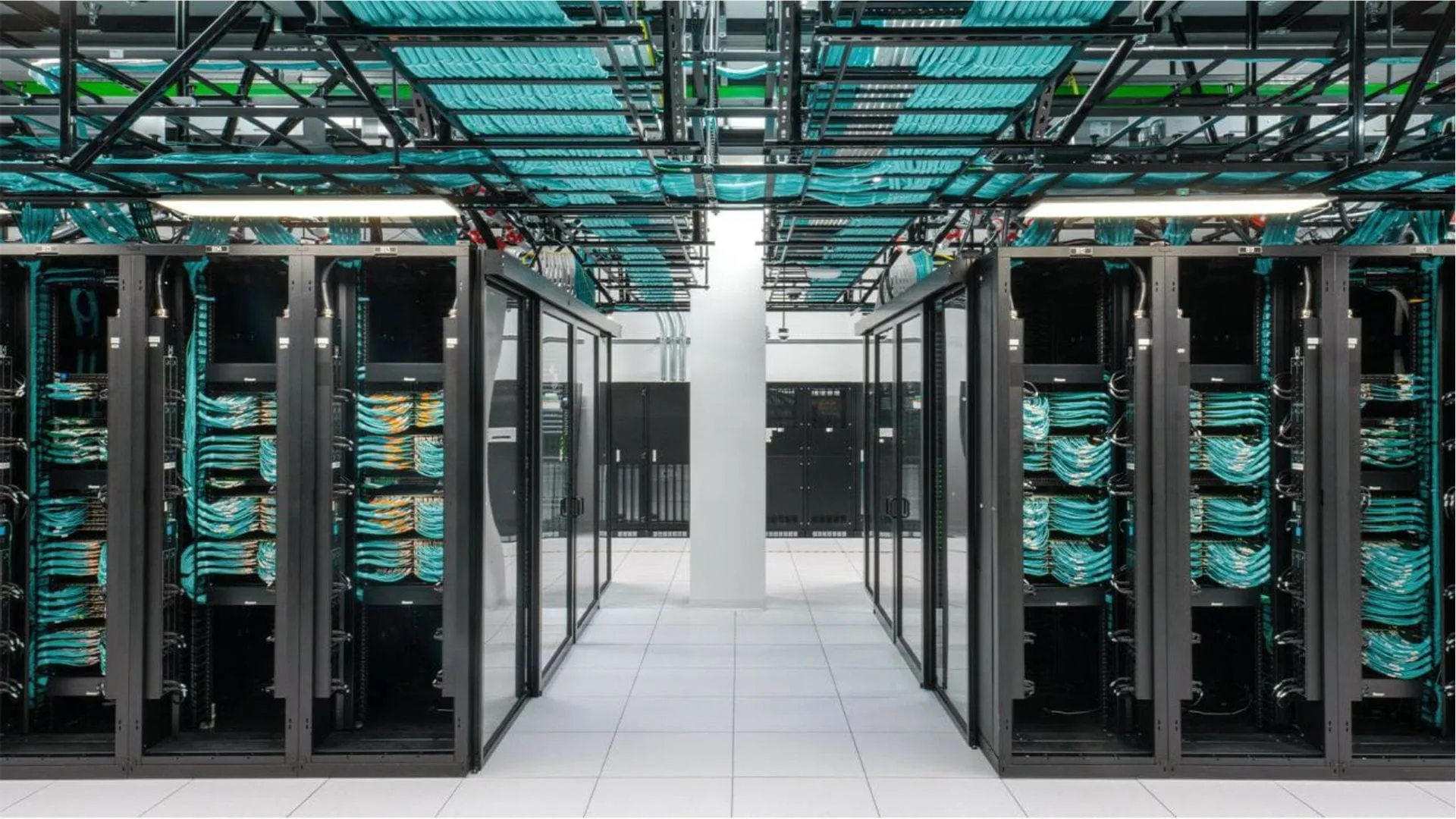
As the demand for artificial intelligence accelerates, so does the infrastructure required to power it. Behind the rapid expansion of AI systems lies a massive appetite for data centers, infrastructure that often sparks public concern over resource consumption, energy use, and local environmental impact. In response to mounting opposition, Amazon is stepping up its game, announcing a comprehensive commitment designed to make its global data center build-out more transparent and community-focused.
The company has announced a major shift, deciding to no longer require nondisclosure agreements (NDAs) with government agencies involved in its data center projects. This move is part of a broader initiative aimed at mitigating the public friction surrounding AI infrastructure development.
Amazon’s new Data Center Commitment program is not just about cutting corners; it’s about radical transparency. The program focuses on making the process of building facilities more open, including holding community open houses, disclosing project information as early as possible, and actively listening to local concerns as development proceeds. To further ease local anxieties, the company is offering tangible benefits, such as providing $10,000 checks to residents in communities hosting facilities that receive necessary approvals.
Beyond community relations, Amazon is tackling the core issues of energy and water efficiency. The company vows annual disclosure of its energy consumption, efficiency metrics, and the proportion of electricity supplied by carbon-free sources. This commitment includes reporting on water efficiency, boasting that its facilities are 7 times more water-efficient than the industry average and having reached 75% of its goal to become water-positive by 2030.
When examining the metrics, the results are compelling. Amazon reports a global Power Usage Effectiveness (PUE) of 1.14 for 2025, significantly better than the industry average of 1.25 and 1.63 for on-premises enterprise data centers. Furthermore, the company notes that an average U.S. data center consumes approximately 170,000 gallons of water per day, whereas an average Amazon facility uses less than 13,000 gallons, equating to the water usage of only 42 U.S. households.
However, the environmental footprint of data centers—especially those powering demanding AI accelerators—remains complex. While Amazon highlights its impressive water efficiency, the company notes that it does not distinguish between general-purpose cloud workloads and new data centers packed with power-hungry AI accelerators, which necessitate substantially different cooling requirements. The push for energy efficiency and water conservation is thus a continuous balancing act as the technology evolves.
The commitment extends deeply into community investment through the Built Together initiative. This program is dedicated to educational access and sustainability, planning to provide over 300,000 students with access to free community-college education over five years. The goal is ambitious: Amazon aims to train as many as 100,000 workers annually by the end of 2028, through its modular training centers.
Moreover, the focus on efficiency extends beyond the data centers themselves. Amazon is also planning energy-efficiency upgrades for more than 300 schools and community buildings, targeting energy-bill reductions of 20% to 40% and annual savings of approximately $700 per household. Simultaneously, over 65 contracted water projects are expected to return over 8 billion gallons annually, underscoring a broader effort to manage water resources alongside technological expansion.
Buy on Amazon
Credit
