AMD adds GDDR7 support to Linux GPU drivers
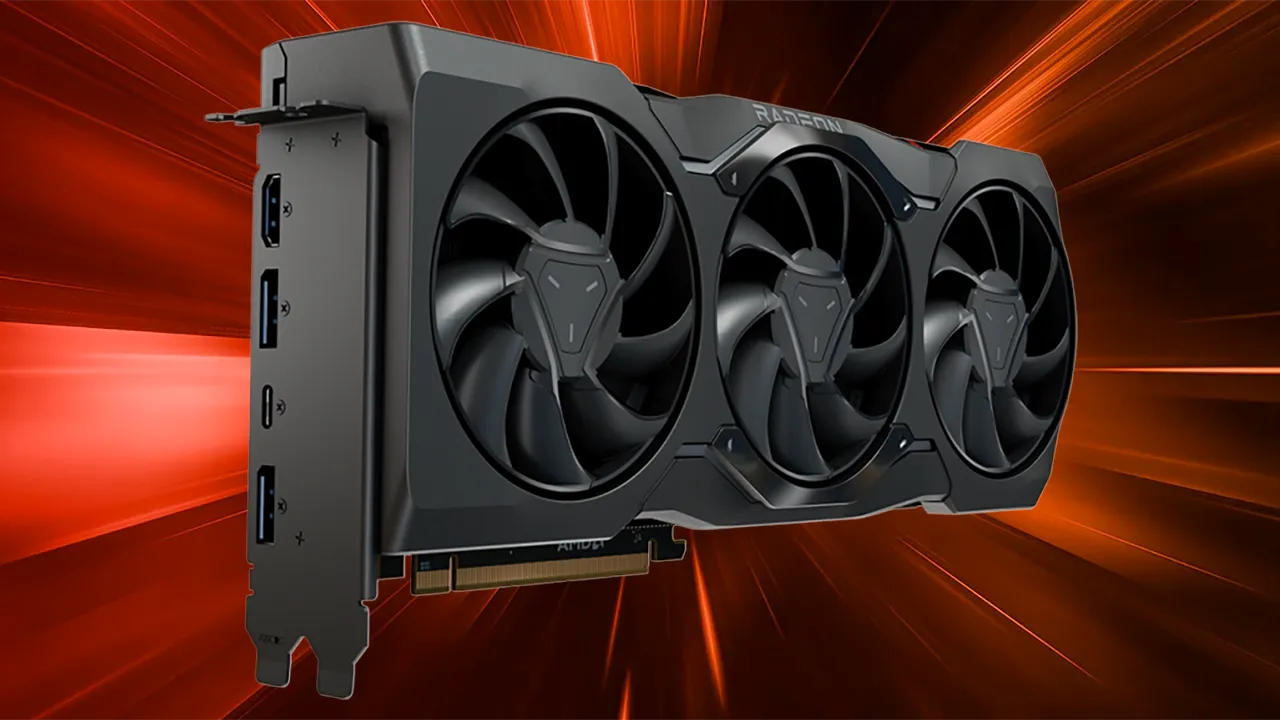
The Quiet Revolution: How AMD is Preparing the Ground for the Next Generation of GPUs
While the noise of product announcements often drowns out serious engineering, a quiet revolution is brewing within AMD. Through subtle changes to its open-source tools, the company is laying the digital groundwork for its next generation of standalone graphics processors, confirming that the transition to next-gen hardware is well underway.
The most explicit signal of this impending leap comes with the introduction of support for GDDR7 memory within the open-source Linux kernel drivers. This move isn’t just a technical update; it serves as a strong indicator that AMD is firmly setting the stage for its forthcoming RDNA 5 architecture. Since current Radeon graphics processors utilize GDDR6 memory, the adoption of GDDR7 identification in the drivers is arguably the clearest confirmation that the company is architecting a future built on the newest, fastest memory standards.
Beyond the memory, AMD has been systematically enabling support for several critical new graphics IP blocks and interfaces. This includes patches for IH 8.0, a new version of the Interrupt Handler IP block, and NBIF 7.10, the latest revision of the New Bus Interface. These smaller, targeted changes, alongside earlier driver work on components like Display Core Next 6 and GFX 13.0.x, reveal a methodical approach to upstreaming support for multiple components of a new GPU design.
This granular work suggests that AMD is not just waiting for a single launch, but is preparing the entire software ecosystem for a new paradigm. The engineering focus is clearly on the complex internal structures that define future GPU performance.
At the heart of this future architecture is a deeply ambitious approach to hardware design. Laks Pappu, Senior Fellow at AMD, has been the lead architect for next-generation discrete graphics platforms, focusing on competitive 2.5D and 3.5D chiplet-based and monolithic SoCs. This philosophy suggests that AMD is exploring multiple ways to distribute processing resources—whether through chiplets or a monolithic design—depending on optimizing performance, cost, and market demand.
While existing solutions like the Navi 31 GPU utilized a multi-chiplet design separating memory and cache into distinct dies, the potential for future RDNA 5 hardware opens up even more complex possibilities. Hypothetically, distributing graphics processing resources across multiple dies would require sophisticated, high-bandwidth, low-latency connections and advanced synchronization mechanisms. The goal is to ensure that software perceives these diverse physical implementations as a unified, powerful graphics processor.
Considering conventional development cycles, the emergence of this detailed architectural information places the RDNA 5 project potentially in the tape-out or early post-tape-out phases. This places AMD in a challenging but proactive position, operating under immense pressure to deliver groundbreaking performance.
Although AMD has yet to disclose a definitive launch schedule or specific details about the RDNA 5 architecture, these preparatory actions paint a clear picture: the engineering work is accelerating. The path forward hinges on successfully navigating the complex supply chains for components like GDDR7, particularly as the intense demand for AI-driven memory chips continues to strain the market.
Buy on Amazon
Credit
