AMD and Intel unify PyTorch for CPU AI inference
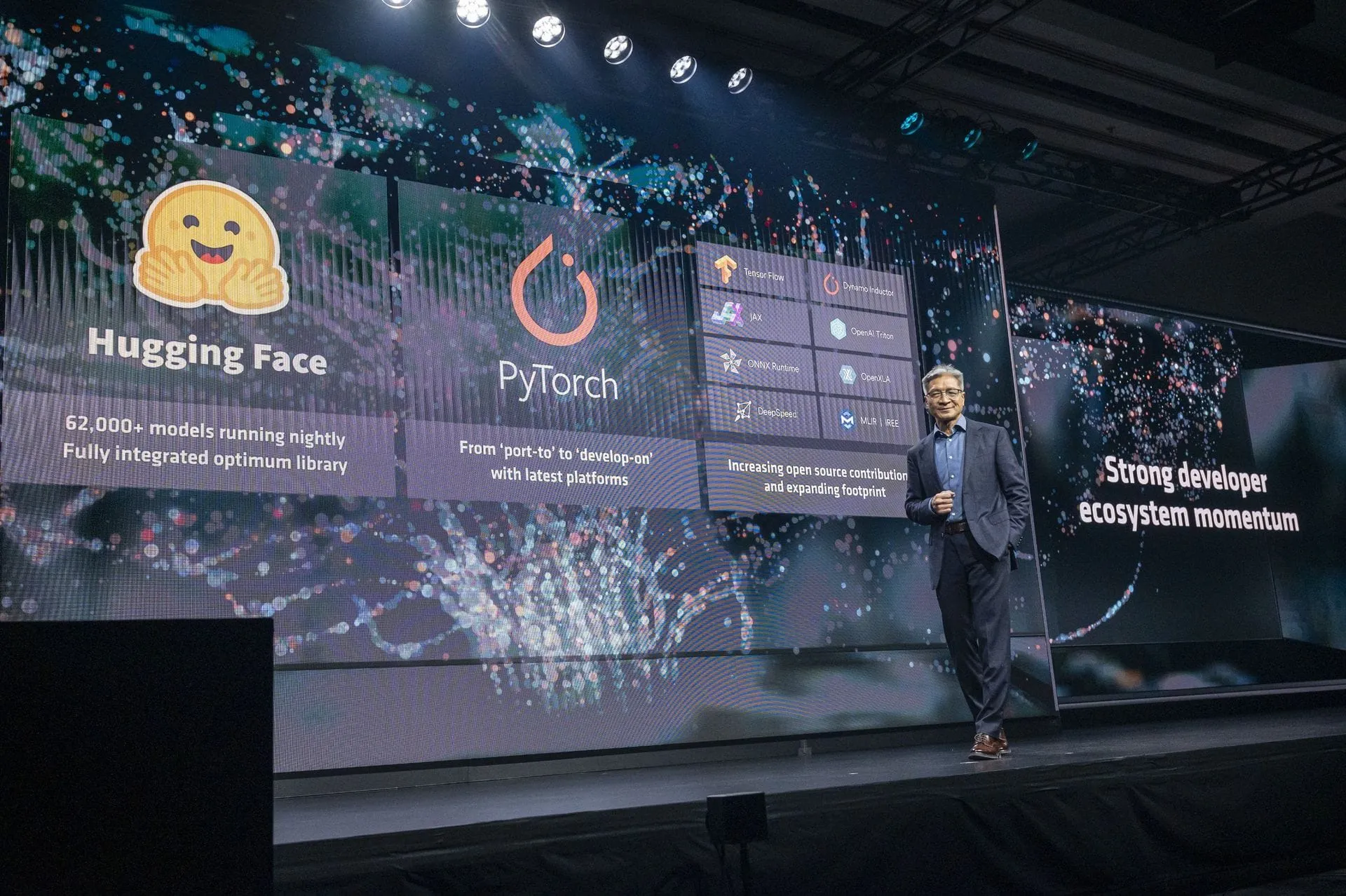
Unifying the AI Engine: How Intel and AMD are Accelerating the Future of PyTorch
The race to optimize artificial intelligence for diverse hardware is demanding unprecedented collaboration. As data centers and AI agents grow, the bottleneck is no longer just processing power; it’s making sure that the fastest software can actually leverage the power of whatever silicon is installed. Enter the convergence of Intel and AMD, who are joining forces to simplify and accelerate the AI development landscape through a unified approach to CPU optimization.
At the heart of this effort is the oneDNN library, a powerful engine that acts as a universal translator for CPU performance. By integrating their efforts, Intel and AMD are ensuring that powerful machine learning frameworks like PyTorch can run smoothly and efficiently across both x86 and other architectures.
This unified library is not just a patch; it’s a sophisticated system that operates by intelligently detecting hardware capabilities at runtime. oneDNN analyzes the specific features of a chip to generate highly optimized kernels for common machine learning operations, such as matrix multiplication and convolution. This means that the software doesn’t guess; it knows exactly how to talk to the hardware for maximum efficiency.
The impact of this synergy is already measurable. When oneDNN was integrated into PyTorch in late 2023, the results were striking. Developers saw significant boosts in performance, achieving up to a 1.24x improvement for Float32 data types and an impressive 2.21x improvement for the highly efficient BFloat16 data type. This dramatic acceleration translates directly into faster training times and more powerful AI applications.
The foundation for this cooperation is rooted in shared goals, notably through the x86 Ecosystem Advisory Group (EAG), a joint initiative that brings Intel and AMD together on shared technical standards. This collaboration extends beyond specific CPU instructions, creating a framework for broader efficiency in AI-oriented instruction sets.
Furthermore, the oneDNN project is designed for scalability. While the initial focus is on x86 systems, the library is a truly cross-platform solution, capable of working effectively across various architectures, including Arm and RISC-V. This cross-platform capability ensures that the optimizations benefit a much wider range of silicon, future-proofing AI development.
To cement this collaborative vision, AMD has taken a significant step by joining the UXL Foundation as a “steering member,” committing to an annual contribution of $20,000. This move underscores the commitment to driving the future direction of AI infrastructure alongside Intel and other key industry players.
By unifying these efforts, Intel and AMD are not just optimizing code; they are building a more fluid, efficient, and open ecosystem where the next generation of AI applications can be developed faster and smarter, regardless of the underlying hardware. This collaboration ensures that the next leaps in AI performance are accessible to everyone.
Credit
