AMD brings FSR 4 to handhelds before 2027
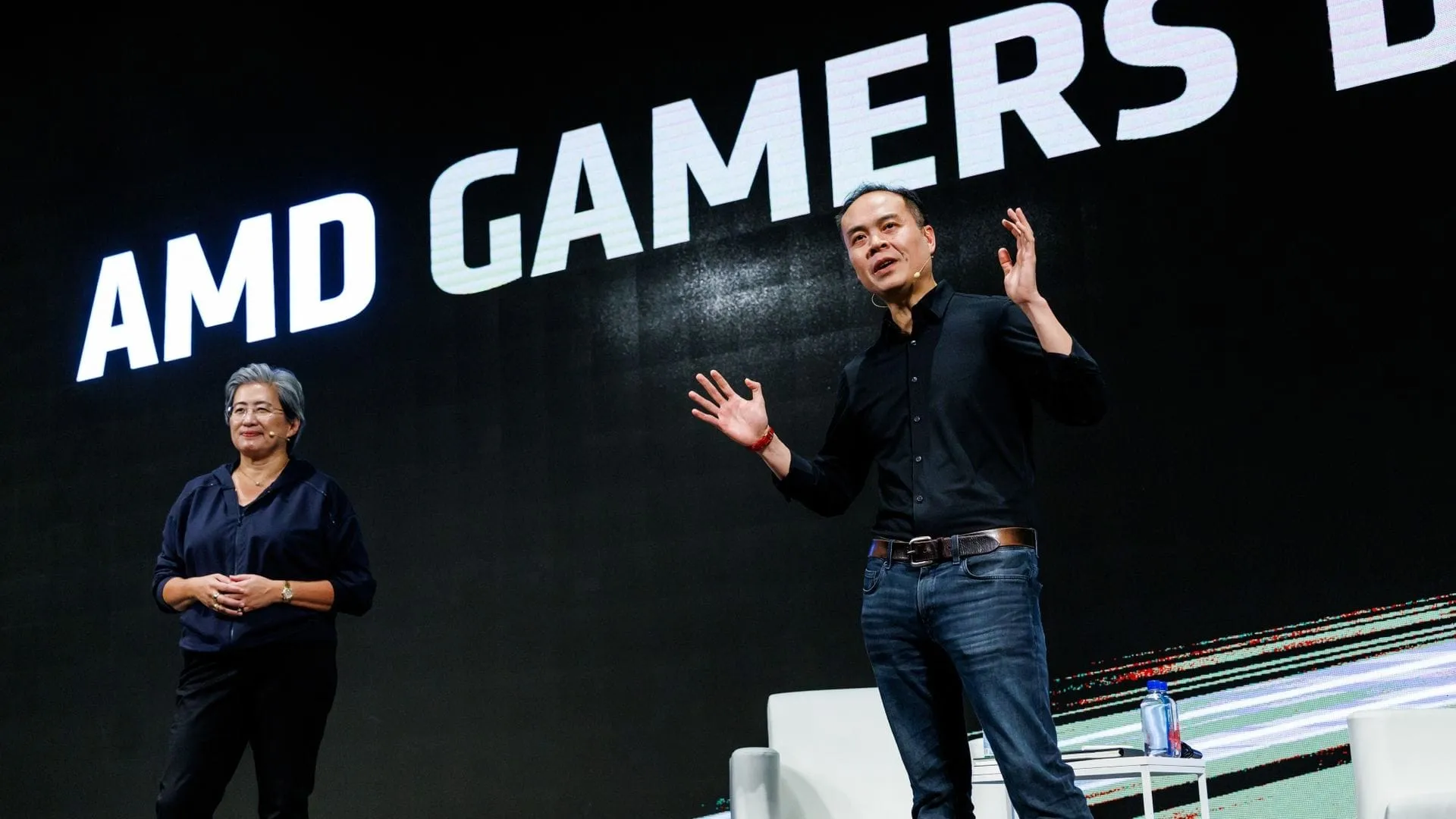
The future of gaming graphics is getting a serious upgrade, and AMD is leading the charge. Senior Vice President and General Manager of Computing and Graphics, Jack Huynh, recently unveiled an ambitious plan to integrate cutting-edge upscaling technology across the entire AMD product lineup, promising a major performance boost for gamers everywhere.
The centerpiece of this announcement is the planned launch of FidelityFX Super Resolution 4 (or FSR 4) across their next generation of discrete graphics cards, including the Radeon RX 9000 and RX 7000 series, before 2027.
But this expansion isn’t just for desktop rigs. Huynh revealed that the power of FSR 4 saturation will extend far beyond traditional graphics cards. AMD intends to bring this sophisticated, machine learning and AI-based upscaling technology to existing APUs, popular gaming handhelds, and gaming laptops.
This move signals a major shift in how portable and integrated gaming devices will perform. For enthusiasts, this means that popular systems, like the ROG Xbox Ally X and the Legion Go, which rely on AMD Ryzen APUs, will soon benefit from advanced upscaling capabilities that were previously exclusive to higher-end hardware.
To make this massive expansion possible across such a diverse range of hardware, AMD developed a custom solution. Huynh explained that the secret lies in a new, lightweight custom model of FSR 4 specifically tailored for APU environments, focusing on delivering excellent game graphics and minimal latency.
While competitors are racing to catch up, the push for AI-driven upscaling is crucial. This advancement addresses the noticeable performance gap between FSR 3’s manually tuned upscaling and the more dynamic, AI-based approach of FSR 4.
This focus on APU hardware is particularly impactful for the handheld market. For years, portable gamers have lacked access to machine learning upscaling, leaving a performance bottleneck. When FSR 4 rolls out to these devices, the result is simple: countless handheld gamers will suddenly receive a performance boost without needing to spend extra money.
The broader context of the competition is fierce. While Intel’s XeSS 3 multi-frame generation offers strong performance with its low latency focus, AMD’s integration of FSR 4 into their APUs ensures that Ryzen-powered devices remain highly competitive in the portable space. It is a clear statement that AMD is committed to closing the performance gap and making AMD’s integrated solutions the go-to choice for next-generation mobile gaming.
Buy on Amazon
Credit
