AMD crushed the megahertz myth with its rating system 25 years ago
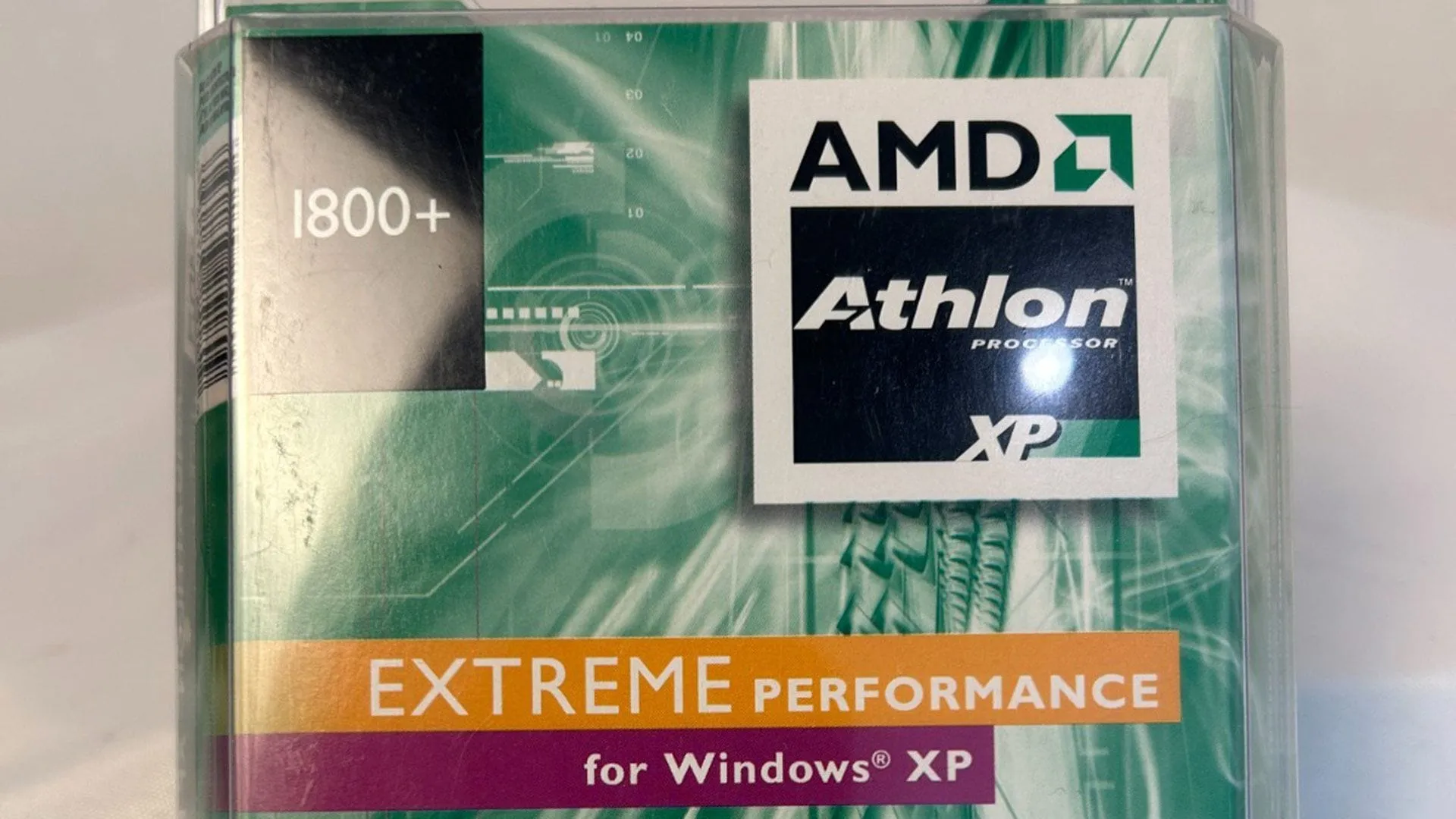
A quarter of a century ago, the world of personal computing was caught in a fierce battle over a single, deceptively simple metric: clock speed. In 2001, AMD launched its Athlon XP processor family, built on the latest Palomino core. While these chips possessed serious performance, they faced a significant hurdle: the prevailing marketing obsession with megahertz (MHz).
Intel, meanwhile, was clearly dominating the MHz race with its Pentium 4 processors. Marketers had firmly established the idea that raw clock speed was the ultimate measure of a CPU’s worth. Unfortunately for AMD, their technically superior chips didn’t always translate into the advertised clock speeds, creating a massive imbalance between perceived performance and actual results.
To fight this narrative, AMD decided to stop chasing the hype and start proving the point. They introduced a radical new approach, pushing back against the “megahertz myth” with a bold new slogan: “Performance matters more than MHz.”
This wasn’t just a catchy phrase; it was backed by rigorous testing. AMD introduced the Performance Rating (PR) system, a new designation designed to prioritize real-world performance over raw clock numbers. The goal was clear: demonstrate that their CPUs were delivering superior performance, regardless of the clock speed.
Testing revealed the punchline. In October 2001, analysis showed that an Athlon XP could actually outperform Intel’s flagship Pentium 4 2 GHz in the majority of benchmarks. One detailed observation noted that an Athlon XP running at 1533 MHz could match or even surpass a Pentium 4 running at a nearly 33% higher clock speed. This established that the old hierarchy based purely on MHz was outdated.
While some felt the PR system was a temporary measure, AMD had set its sights on creating a fairer, more realistic performance measure. However, as the technology landscape relentlessly evolved, so did the need for the system. The old paradigm began to fade as hardware advancements shifted the focus.
As the industry moved forward, Intel’s big MHz advantage eventually lost its grip, particularly during the transition from Pentium 4 Netburst to Pentium M/Core chips. Furthermore, the subsequent rise of AMD’s Athlon 64 architecture proved to be a watershed moment. Reviewers and enthusiasts embraced the Athlon 64, signaling a shift in focus away from clock speeds altogether.
By the end of the AMD PR era, the marketing focus had decisively moved beyond the hertz. The narrative of the CPU was no longer defined by how fast it could tick, but by what it could actually achieve, setting the stage for a future where performance, not just frequency, reigns supreme.
Buy on Amazon
Credit
