AMD drops $15,000 256-core EPYC beast
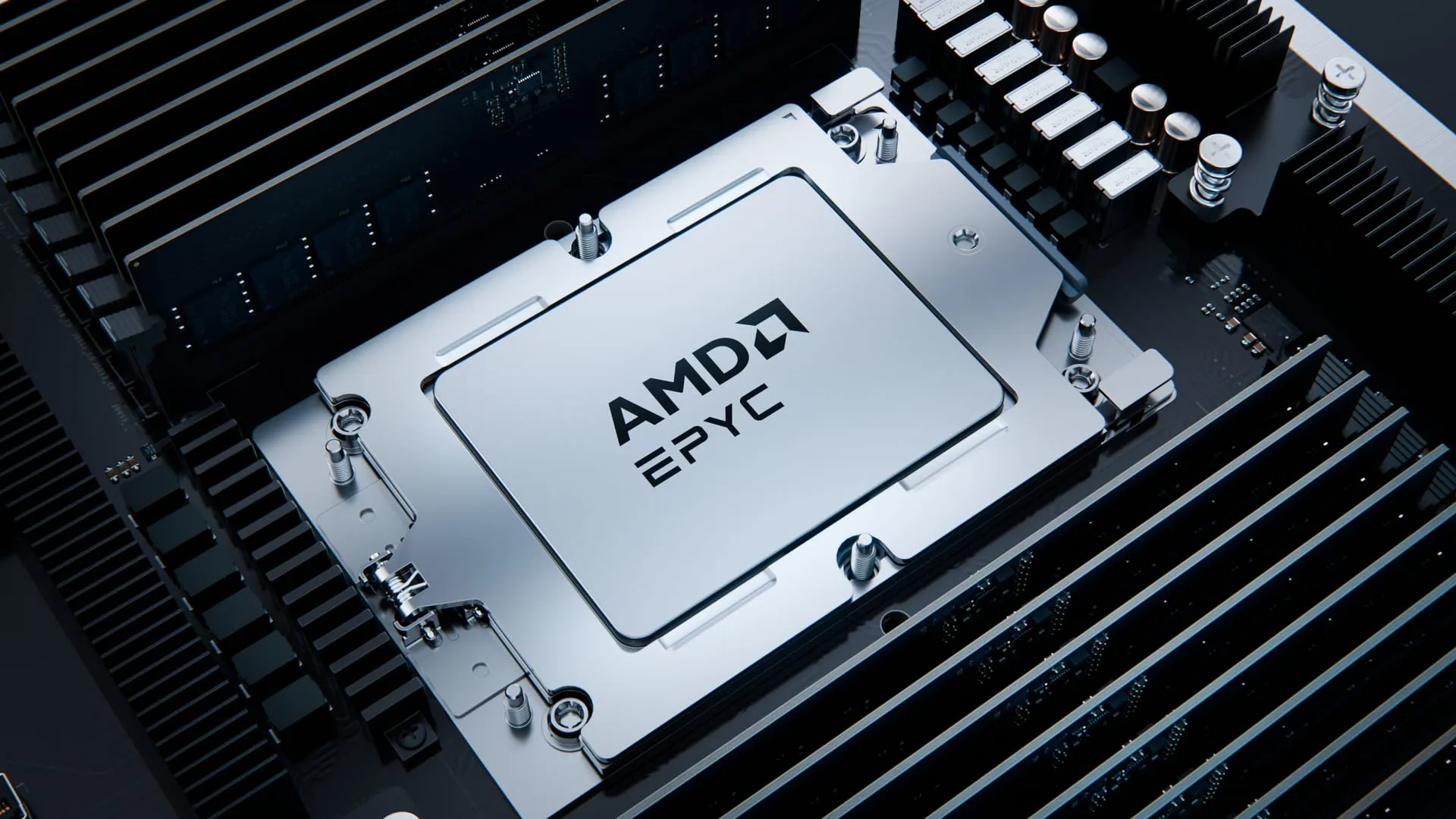
AMD’s Venice Leap: How New EPYC Processors Are Redefining the Data Center
AMD has officially unveiled the EPYC 9006 (codenamed Venice) series, marking a seismic shift in the server processor landscape. This new generation of chips isn’t just an incremental update; it claims performance gains of up to 3-4 times over the competition, positioning itself as a true powerhouse for the demanding world of data center computing.
The excitement surrounding Venice is fueled by preliminary benchmarks, which suggest the architecture delivers exceptional performance gains over rivals like Intel Xeon and NVIDIA’s offerings. But the real genius lies in how AMD has structured its approach: offering a sophisticated lineup designed to meet the wildly diverse needs of enterprise customers.
To handle this complexity, AMD has strategically split the Venice lineup into two distinct platforms: the flagship SP7 and the more streamlined SP8. This division allows organizations to select the optimal balance between raw throughput, memory capacity, and operational efficiency.
The SP7 platform is the ultimate beast, designed for maximum data throughput. It supports up to 16 memory channels, accommodating advanced RDIMMs and MDRDIMMs up to DDR5-12800. Offering up to 96 PCIe 6.0 lanes and robust power options of 400W to 600W TDP, the SP7 is built for maximum performance potential.
Looking at the pricing for the SP7 SKUs, the range spans from the 64-core EPYC 9556, starting at $8,008, up to the flagship EPYC 9996, which commands $14,904. What’s truly remarkable is the economic dynamic at play: as core counts increase, the price per core drops dramatically. The top-tier EPYC 9996 delivers an incredible $58.21 per core, making higher core counts far more attractive for enterprises looking to maximize value.
This efficiency extends across the board. For instance, the entry-level 64-core EPYC 9556 costs $125.12 per core, yet the 256-core flagship achieves a much better per-core ratio, proving that raw compute power and cost savings can coexist.
Credit
