AMD faces ‘treason’ investigation for restricted chips in China
In the high-stakes world of semiconductor technology, the price tag on a component can be a more explosive story than the chip itself. A recent investigation into a Chinese crowdfunding project has exposed a stark reality: a highly restricted, military-grade chip, designed by AMD, was reportedly being sold for pennies on the dollar, igniting serious questions about how easy it is to bypass stringent U.S. export controls.
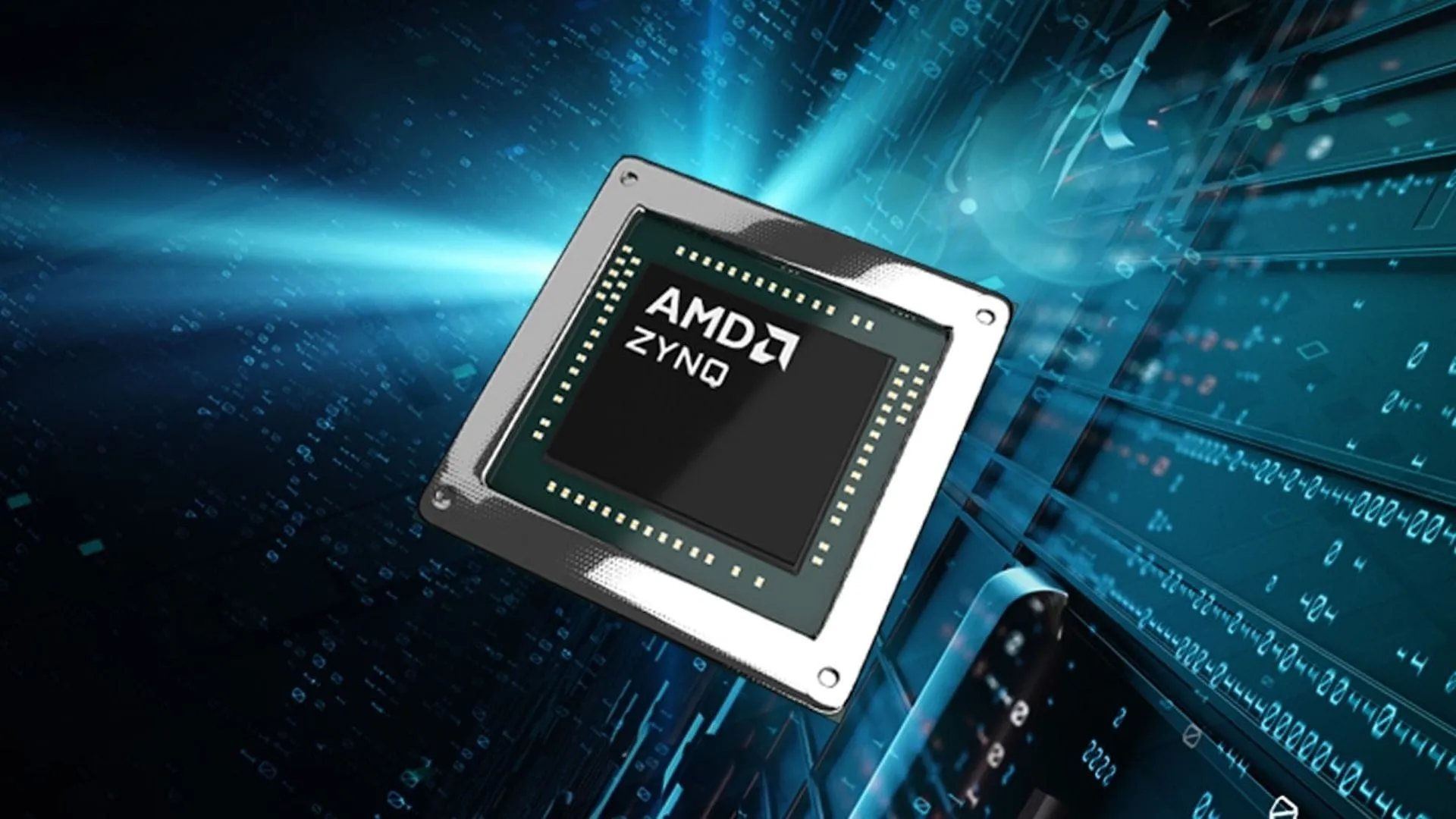
The firestorm began when Dylan Patel, head of the semiconductor analysis firm SemiAnalysis, uncovered the details. He discovered that China’s Puzhi Electronic Technology was crowdfunding development based on AMD’s powerful Zync UltraScale+ XCZU47DR RFSoC. This specific chip is not just high-end hardware; it is a dual-use component that falls under tight U.S. export regulations.
Patel’s analysis revealed an astonishing disparity. While the U.S. list price for such a chip can reach $36,000, it was being quoted to Chinese entities for as little as $1,000 in crowdfunding campaigns. This discrepancy immediately raised the alarm for Patel, who called for a government investigation into AMD, suggesting that the practice wasn’t just an export violation but potentially a form of selling military end-use components to an adversary for less than domestic costs.
When confronted with these claims, AMD issued a firm response. The company denied any direct sales or shipments of the chips into restricted regions. They stated that while they investigate all suspected diversion cases, any shipment into restricted areas is a direct violation of company policy. AMD maintained that this specific instance was unrelated to direct sales, emphasizing their commitment to global compliance and reporting any violations to relevant authorities.
Despite the corporate assurances, the complexity of global silicon supply chains and export regulations provides a deeper layer of intrigue. The Zynq UltraScale+ RFSoCs are sophisticated pieces of technology, packing advanced capabilities for real-time signal processing, radar systems, and communications. This complexity makes tracing the origin of components—especially those that have circulated through multiple international distributors—incredibly difficult.
The regulatory landscape for these components is layered with controls. The XCZU47DR chip carries an ECCN 3A001.a.14 classification. This means that exporting the item to destinations like China normally requires a specific BIS export license, which is often practically unattainable. Although license exceptions exist for certain trade partners, the system is designed to severely restrict the flow of sensitive technology.
The situation highlights a fundamental tension: cutting-edge technology is designed for commercial and industrial applications, yet the dual-use nature of these components demands maximum security scrutiny. Whether the discrepancy in pricing stems from sophisticated supply chain maneuvering, the inherent difficulty of enforcing export controls, or something more complex, the incident forces a critical look at the intersection of technology, finance, and national security in the modern era.
Credit
