AMD gifts AM4 users the Ryzen 7 5800X3D re-release
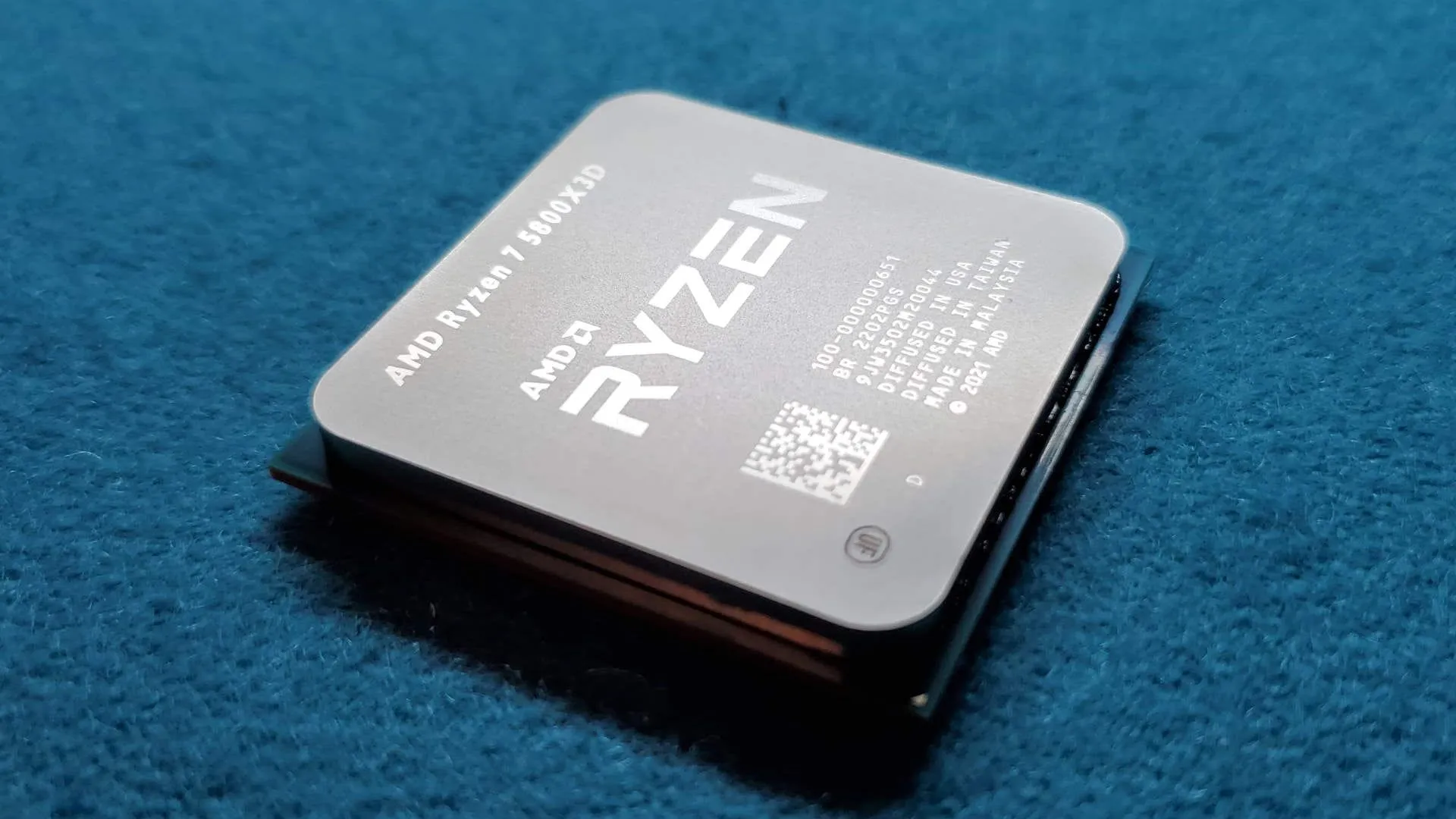
AMD’s Smart Move: Bringing Back the Ryzen 7 5800X3D for the DDR4 Era
In a move that surprised many in the PC hardware community, AMD recently resurrected the Ryzen 7 5800X3D, bringing it back in 10th Anniversary form. This wasn’t just a nostalgic nod; it was a carefully orchestrated strategic decision, one that unfolded behind closed doors and reflected a complex calculation about market timing and user loyalty.
The resurrection of the chip, described by AMD leadership as a “very hard, actually very very hard” conversation, signaled a shift in focus. It was a calculated decision aimed at rewarding long-time users who had built their systems on the AM4 platform and using DDR4 memory. Essentially, AMD decided to offer a final, powerful gift to its loyal base, giving them a viable path to upgrade without forcing a complete migration to the DDR5-only AM5 socket.
The timing of this release was arguably as crucial as the chip itself. As memory prices began surging dramatically in late 2025, many PC gamers were facing a difficult choice: either embrace the newer DDR5 standard or stick with their established AM4 setups. The 5800X3D’s launch placed it perfectly in the middle of this economic and technological tension, offering a compelling solution for those looking to refresh their rigs.
AMD’s strategy extended beyond the immediate chip release, positioning the AM4 platform strongly in the face of AM5 development. While the AM5 ecosystem continues to grow, the company remains keenly aware of the importance of platform lifespan for its end-users. This focus led to a measured approach regarding future architecture.
Regarding current market ratios, while AM5 models equipped with 3D V-Cache have seen recent growth, the AM4 platform, supported by DDR4, remains robust and stable. This indicates that the AM4 ecosystem continues to perform well, demonstrating its continued relevance in the PC market.
Looking ahead, AMD is clearly focused on sustained platform relevance. The strategy involves introducing new platforms while prioritizing the longevity of existing ones, ensuring that users have ample time to upgrade their processors—perhaps three years after purchasing a platform.
Rumors suggest that AMD’s next generation of Zen 6-based CPUs will leverage the existing AM5 socket, with expectations that they will push clock speeds to new heights later this year. This careful approach suggests a roadmap where the AM5 socket will remain relevant for a considerable time, perhaps as long-lasting as the AM4 platform.
Ultimately, the story of the 5800X3D re-release is a masterclass in strategic maneuvering—a successful blend of honoring past loyalty while expertly navigating the complex, rapidly evolving landscape of PC hardware and memory technology.
Buy on Amazon
Credit
