AMD hikes GDDR6 prices GPU inflation spikes with Team Red
The quest for the ultimate PC gaming experience often feels less like a journey of innovation and more like navigating a labyrinth of supply chain bottlenecks and escalating prices. While the hype surrounding next-generation graphics cards continues unabated, the reality for PC builders is a complicated mix of scarcity, strategic production shifts, and steadily rising costs.
The foundation of this hardware crunch lies squarely in the memory supply crisis. But the pressure isn’t just on the raw memory chips; it’s trickling down to the dedicated VRAM that powers modern graphics cards. This bottleneck has forced major players, including AMD and Nvidia, to adjust their pricing strategies, creating a new reality for gamers.
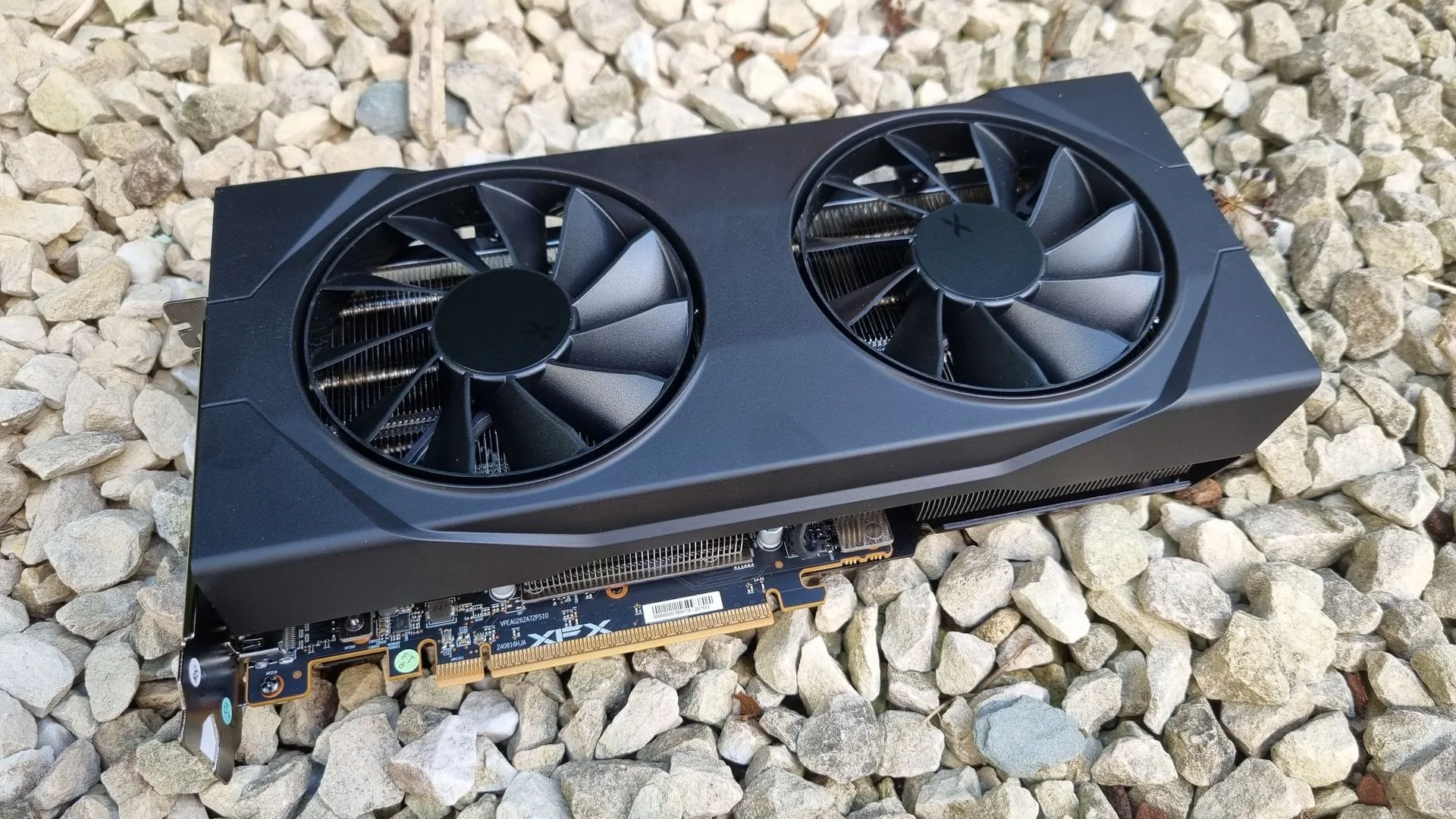
In a move that hit the market in October, AMD reportedly raised prices for the GDDR6 memory included with its GPUs. This action immediately put pressure on the Alliance of Independent Board Partners (AIBs)—the manufacturers of the GPUs—who now face higher costs to source essential components. Naturally, these increased expenses are poised to be passed on to consumers in the form of higher retail prices for their products.
Nvidia has also been navigating this challenge, taking similar steps regarding its GDDR6 and GDDR7 cards, with some reports suggesting potential price increases of up to 30 percent. This dynamic is compounded by broader economic factors; for instance, increased costs for essential components, such as PCBs, are also being influenced by global events, such as the ongoing conflict in Iran.
Beyond memory pricing, the supply crunch extends into the scarcity of the high-end hardware itself. The market is grappling with an increasingly limited supply of flagship GPUs. High-demand cards, such as the rumored RTX 5090 series, have proven particularly elusive in online retail channels, highlighting a serious lack of supply in the market.
Adding another layer of complexity, there is a shift in focus within the GPU industry. Rumors suggest that Nvidia has redirected production capacity away from gaming-focused cards, such as the RTX 5090, in favor of specialized AI data center and professional GPUs. This strategic pivot, while fueling the AI boom, further complicates the supply chain and contributes to the overall price volatility for gamers.
Ultimately, the current environment presents a challenging landscape for PC gamers looking to make a significant upgrade. Amidst soaring component costs and shifting production priorities, the path to a powerful new setup requires patience and a careful eye on the evolving landscape of hardware pricing.
Credit
