AMD Ryzen CPUs price $20 above MSRP at retail
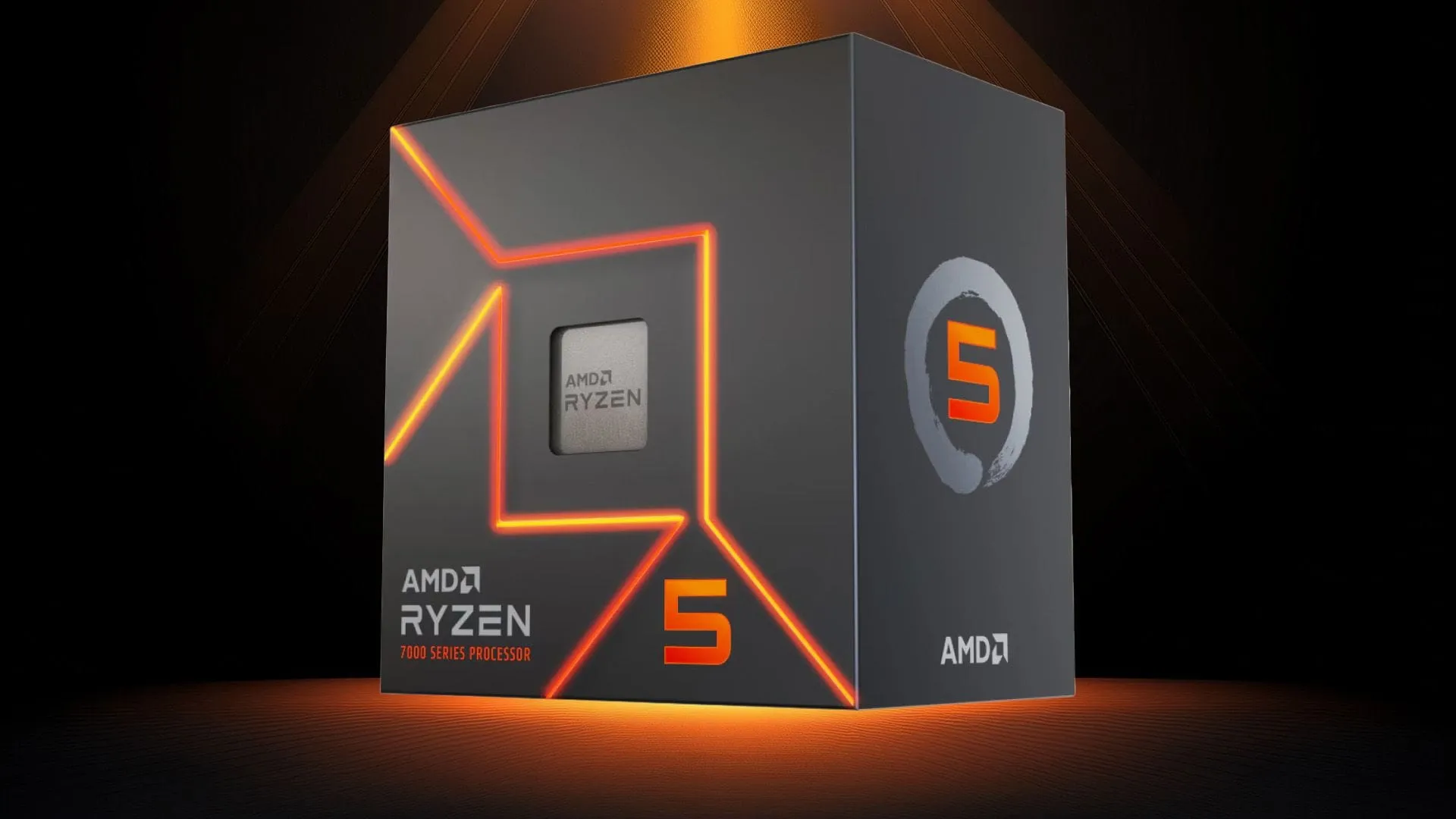
The Budget CPU Battle: AMD Drops New Chips, Raising a Few Pricetags
AMD has recently dropped a fresh batch of budget-friendly processors, the Ryzen 5 5500F and the Ryzen 5 7500, aiming to soothe the pain points of budget PC builders. While these chips arrive with some compelling architectural upgrades, their availability on major retail sites has come with a slightly higher price tag than AMD initially suggested, prompting a closer look at the current market dynamics.
The Ryzen 5 5500F is a compelling entry point. This processor, built on the familiar Zen 3 architecture, is a six-core, 12-thread powerhouse. However, it boasts specific tweaks that set it apart. It runs on the Vermeer family and supports PCIe 4, offering a boost clock of 4.4 GHz. These incremental changes allow the 5500F to achieve a performance bump of roughly 5% to 10% in gaming scenarios, making it a strong contender for those looking to maximize performance without breaking the bank.
Adding to the lineup is the Ryzen 5 7500, which takes us into the newer Zen 4 generation. This chip is essentially the 7500F but features integrated graphics and a completely different memory standard. The 7500 exclusively supports the cutting-edge DDR5 memory standard, clocking at 5 GHz, and includes support for PCIe 5. This shift to Zen 4 and DDR5 positions the 7500 as a more forward-looking choice for future-proofing a system.
The distinction between the two is clear: the 5500F leans into maximizing performance on older standards (Zen 3/DDR4 with PCIe 4) for maximum budget savings, while the 7500 embraces the newer technologies of Zen 4 and DDR5, offering superior future scalability.
Despite the exciting technical specifications, the retail prices have caused some friction. The Ryzen 5 5500F is currently listed at $120 on Amazon, and the Ryzen 5 7500 is priced at $210. This means both chips are currently $20 more expensive than the initial suggested retail pricing from AMD.
While these CPUs are readily available on Amazon in the U.S., it is worth noting that retailers like Micro Center and Newegg have not yet listed them. This situation highlights how quickly market pricing can diverge from manufacturer recommendations when supply chains and retail strategies come into play.
This isn’t an isolated incident. We have recently seen instances where new AMD releases have appeared on Amazon with significantly inflated prices, leading to consumer scrutiny. This recent trend serves as a reminder that while AMD offers fantastic performance value, savvy shoppers should keep an eye on pricing trends across the board as the PC component market continues to evolve.
Buy on Amazon
Credit
