AMD seeks Samsung memory supply partnership
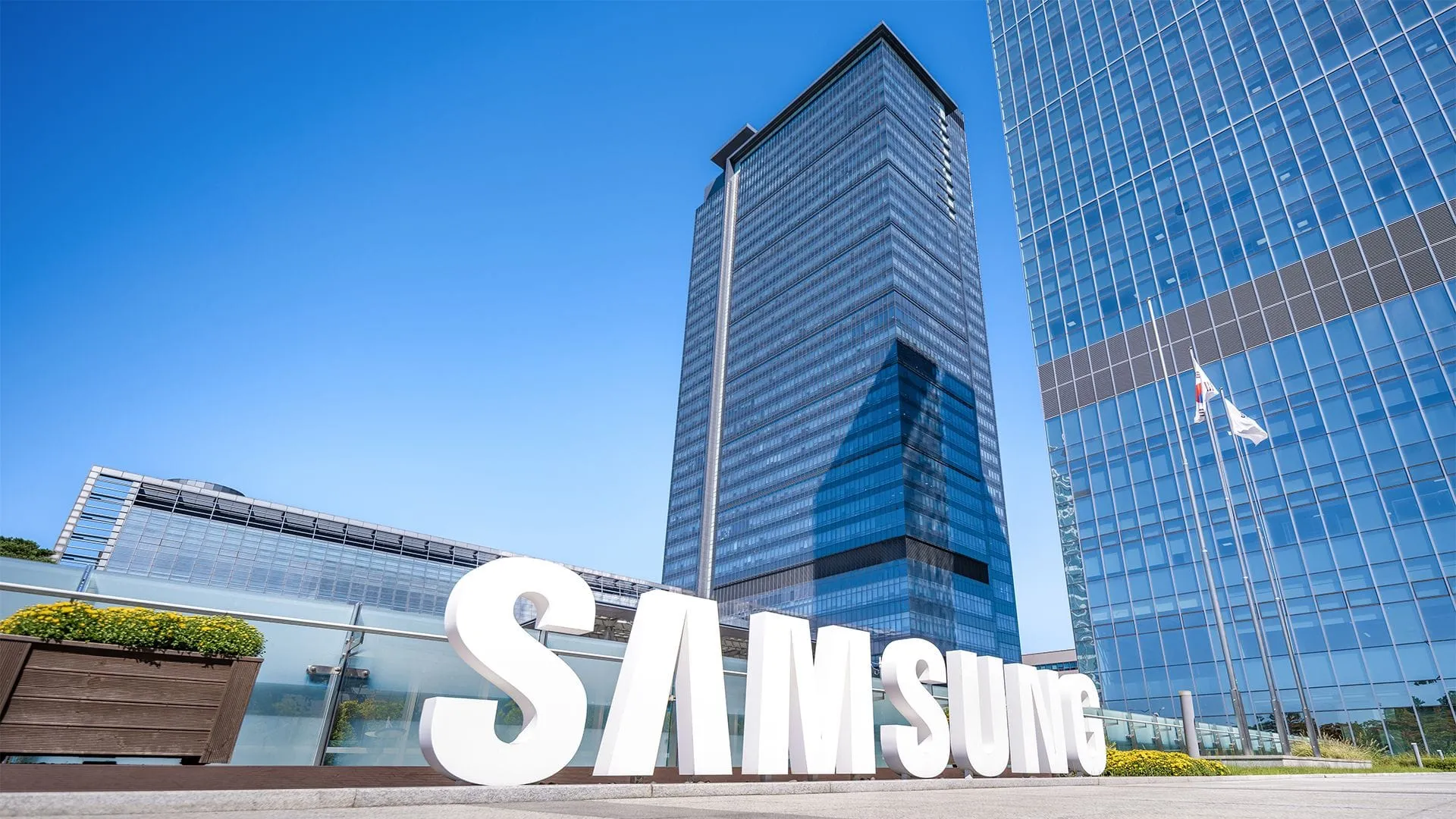
The race for the next generation of Artificial Intelligence is not just fought on algorithms; it is intensely contested in the silicon supply chain. At the heart of this high-stakes battle lies memory—the crucial bottleneck that dictates how fast and how powerful AI accelerators can operate. That is why the relationship between semiconductor giants like AMD and Samsung is currently carving out a pivotal strategic path for the future of high-performance computing.
Recently, CEO of AMD, Lisa Su, traveled to South Korea to solidify this critical collaboration. The objective? To secure an expanded supply of high-bandwidth memory (HBM) necessary for powering AMD’s AI and data center ambitions. This visit signaled a clear understanding: in the age of exponential AI demand, long-term supply chain planning is paramount, often stretching three to five years into the future.
This strategic alignment culminated in a significant memorandum of understanding (MOU) signed between AMD and Samsung. This non-binding agreement covered a broad spectrum of cooperation, focusing on not only the supply of next-generation memory products like HBM4 and advanced DDR5, but also the co-development of memory solutions tailored for AI and high-performance computing systems.
Beyond mere supply, the partnership touches the very core of semiconductor manufacturing. The MOU also included exploring opportunities for Samsung to become a foundry partner for future AMD platforms, alongside joint efforts to optimize advanced packaging and related semiconductor technologies.
For Samsung, this represents a major opportunity to deepen its relationship with a demanding market leader. While Samsung is already a cornerstone supplier of HBM4 for AMD’s Instinct accelerators, expanding the collaboration into full foundry services presents an ambitious leap. It means navigating the complexities of moving production to new process technologies while managing the inherent risks of new contract chipmakers.
The leverage in this negotiation is clear: the surging demand for HBM memory gives Samsung significant influence in determining the terms of this expanded partnership. The possibility of transitioning into a foundry role is a calculated risk, balancing the strategic gain against the technical hurdles of ensuring high yields and performance.
AMD is already demonstrating this focus on high-bandwidth solutions, having begun shipping its Instinct MI455 accelerators loaded with HBM4 memory. As the industry pushes toward increasingly complex, high-speed computing, the decision for major players like AMD to leverage foundry services becomes a defining moment in shaping the future landscape of advanced chipmaking.
Credit