AMD ships FSR 4.1 early for Radeon, Ryzen, and Xbox
AMD Delivers FSR 4.1, Pushing Open-Source Gaming Forward
For AMD enthusiasts, the news this week is a significant boost. The company is expanding its commitment to open-source upscaling technology, FSR, by rolling out FSR 4.1 support to the Radeon RX 6000-series graphics cards. This move directly challenges competitors, providing gamers with enhanced performance and visual quality.
FSR has become AMD’s powerful response to Nvidia’s DLSS solution. With the new FSR 4.1 integration, the RX 6000-series cards can now deliver substantial increases in performance and visual fidelity. This update was long anticipated, as support for the latest generation of cards was originally slated for 2027.
But the progress doesn’t stop there. AMD is ensuring this technological leap benefits the entire hardware ecosystem. The FSR 4.1 update is also set to arrive on specialized chips, including all Gorgon Halo and Strix Halo chips used in mini desktops and mobile workstations, as well as various handheld devices such as the Z2 Extreme and Z2A chips.
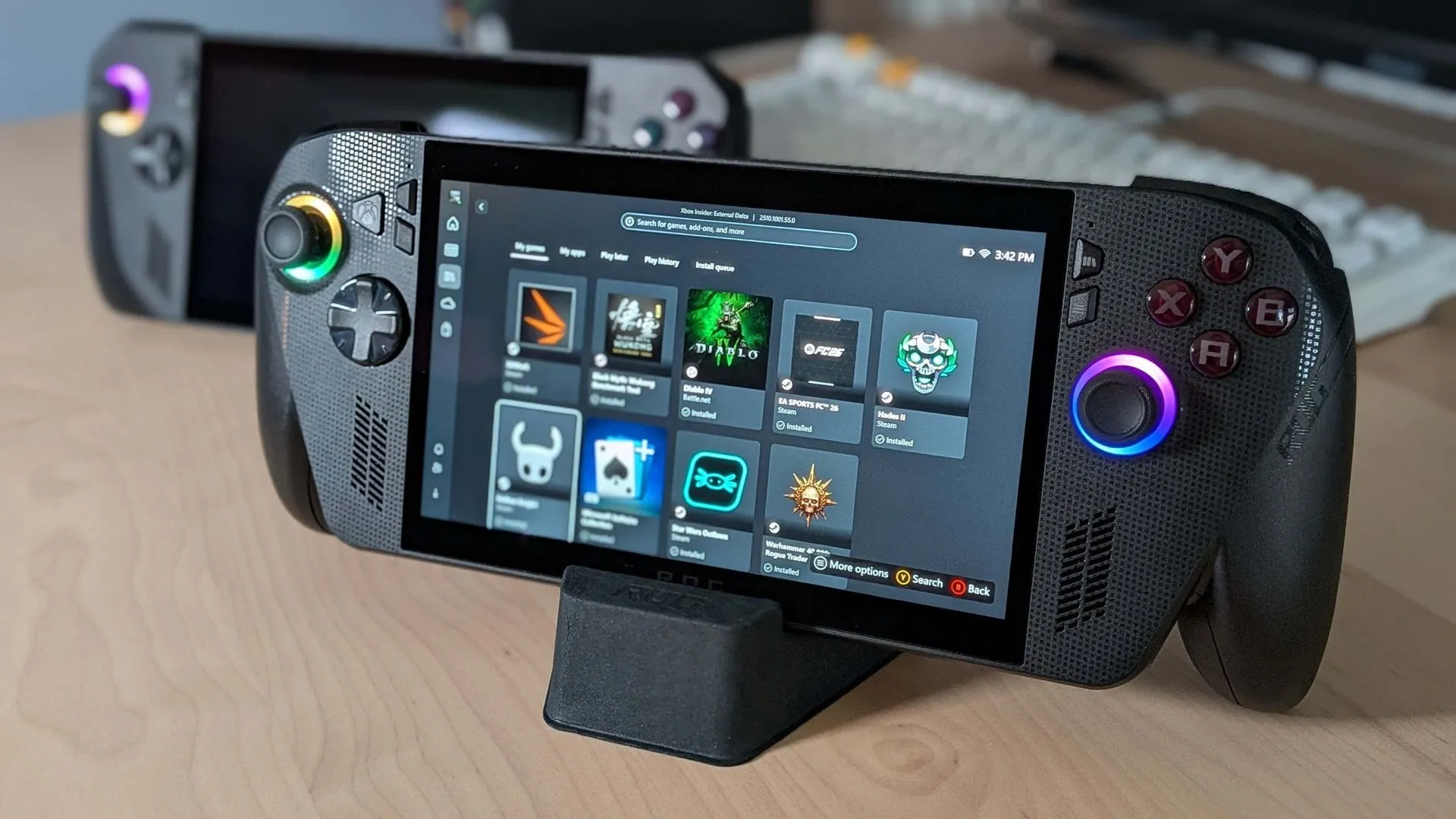
The reach of this innovation extends into the console space as well. AMD has announced that FSR 4.1 will be integrated into the Xbox ecosystem, optimized specifically for Asus ROG Xbox handhelds, promising a smoother, higher-quality experience for portable gaming.
Beyond the core upscaling technology, AMD continues to innovate with tools like FSR Redstone, which is already implemented in over 400 games on Radeon 9000-series graphics cards. Furthermore, new features like Ray Regeneration, a powerful denoiser similar to DLSS’s Ray Reconstruction, are on the horizon, promising even more visual improvements across the board.
The focus is clearly on platform integration and broad accessibility. AMD is also planning to bring FSR 4 to the Vulkan API, which is crucial for non-Microsoft-centric gaming environments. This focus on wider API support is particularly exciting for Linux users and the growing community around devices like the Steam Deck, ensuring that more non-proprietary hardware can participate fully in the gaming landscape.
While a definitive timeline for all future support remains under development, the current trajectory suggests that even older hardware will benefit from improved performance going forward. This strategic push means that the groundwork is being laid to maximize the potential of AMD’s hardware across the industry, setting the stage for a more inclusive and powerful future for gaming devices.
Buy on Amazon
Credit
