AMD’s secret 128MB cache boost for Zen 3 gaming CPUs
The world of high-performance computing is constantly chasing the next leap, but sometimes the most revolutionary ideas are the ones that redefine what we think a modern processor should be. While the market has moved on, a glimpse into AMD’s future reveals a fascinating story about how asymmetric design and massive cache can dramatically change the rules of the game.
For years, the Ryzen 7 5800X3D has stood as a champion in the AM4 gaming arena, proving that a finely tuned, focused architecture can deliver exceptional performance. Yet, beneath this success, there was the tantalizing promise of a hypothetical rival: the Ryzen 9 5900X3D. This chip, if it had been released, would have certainly been a contender, hinting at the power of integrating advanced technologies into mainstream CPUs.
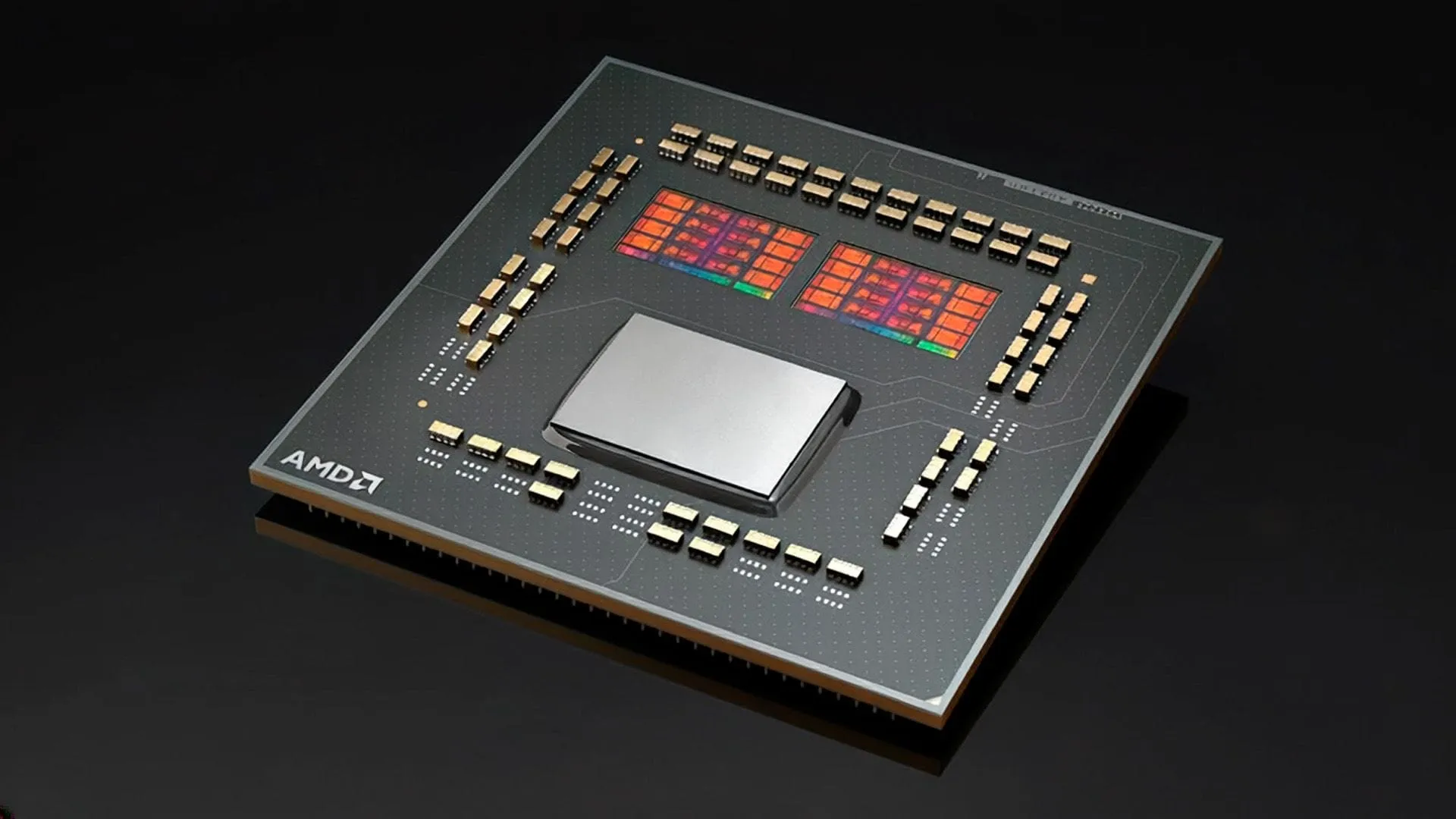
The true excitement, however, emerged not from the hypothetical product, but from the engineering samples that surfaced later. Through community forums, engineers and enthusiasts began uncovering the reality of AMD’s pursuit of 3D V-Cache technology. An engineering sample of the Ryzen 9 5900X3D revealed an astounding 128MB of L3 cache—double the amount found on its standard counterpart. This breakthrough was achieved by integrating 64MB of 3D V-Cache onto one of the chip’s Core Complex Dies (CCDs).
This exploration highlighted a crucial architectural trade-off: the concept of stacking 3D V-Cache across multiple dies. While a dual-stack configuration sounds appealing for productivity, it introduces cross-die latency and thermal constraints that can significantly hinder pure gaming performance. This realization reinforced a key principle: for the high-stakes world of gaming, an asymmetric design often delivers superior results.
AMD’s winning formula, it turns out, lies in focusing on the eight-core, single-CCD design. This focused approach avoids the latency issues inherent in cross-die configurations, allowing the chip to maximize performance where it matters most. This philosophy is perfectly embodied in chips like the Ryzen 7 5800X3D, and continues to define the standards set by processors such as the Ryzen 7 7800X3D and the recent Zen 4 offerings.
Whether we are looking at the legacy of the 5800X3D or the cutting edge of the Zen 4 lineup, the story remains the same: optimizing the design for targeted performance is the ultimate secret to creating the next generation of gaming powerhouses.
Buy on Amazon
Credit