Anthropic CEO calls Jensen Huang ‘Trump-like’
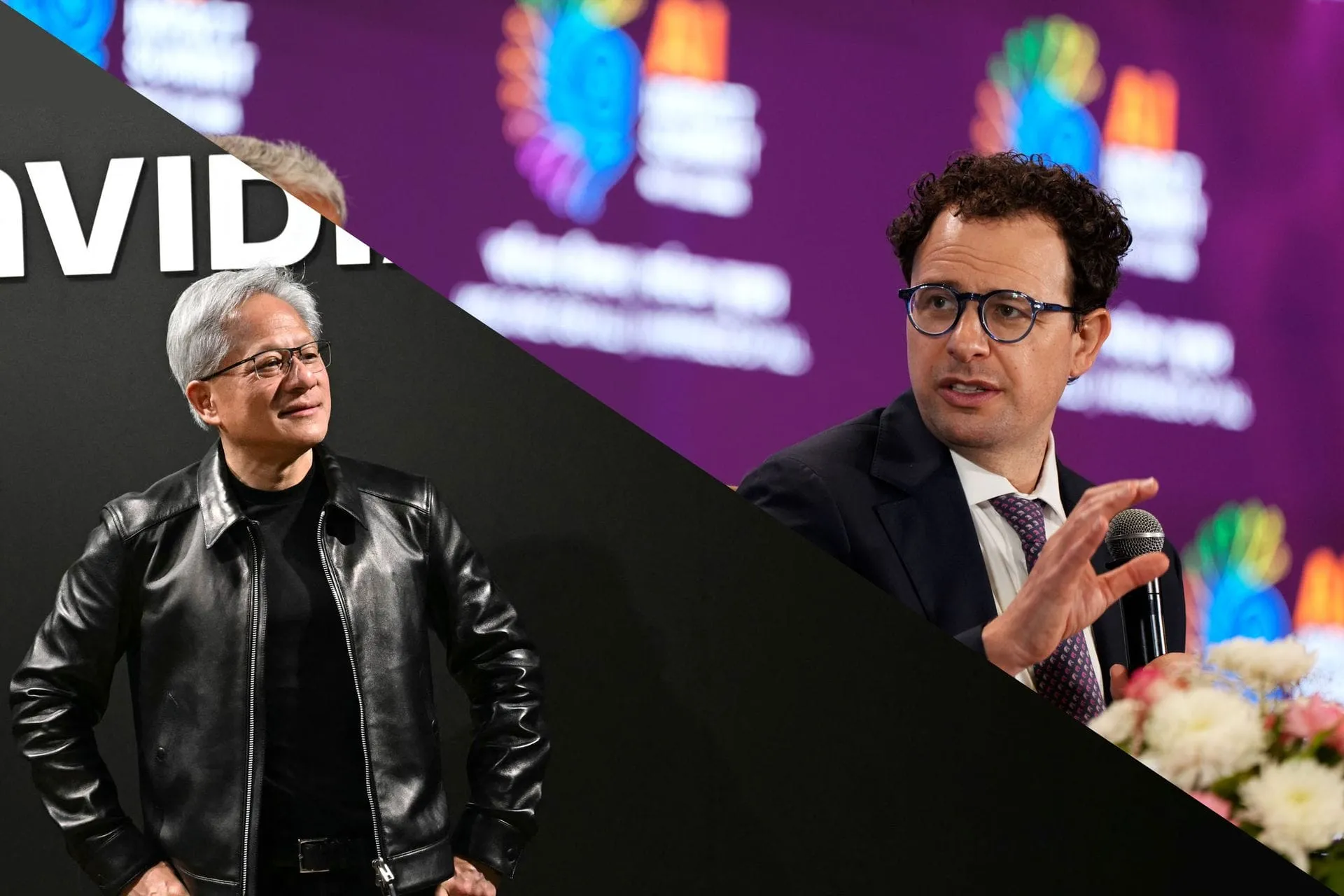
The Friction Behind the Frontier: How the AI Titans Learned to Work Together
The world of artificial intelligence is often portrayed as a smooth, frictionless race toward the future. Yet, behind the glossy headlines and breakthrough models lies the complex reality of high-stakes negotiations, where genius meets ego, and massive compute demands collide. This is the story of the initial, often awkward, meeting between two of the industry’s most influential figures: Nvidia CEO Jensen Huang and Anthropic CEO Dario Amodei.
In May 2022, the high-profile rendezvous took place at the upscale Eight Tables restaurant in San Francisco, ostensibly to discuss Anthropic’s staggering compute needs. What unfolded at the table, however, was less a synergy session and more a clash of titans, filled with disagreements and subtle slights that foreshadowed the intense dynamic between the two companies.
The friction began almost immediately when the technical realities of AI infrastructure were brought into the conversation. Before the dinner, Anthropic’s chief compute officer, Tom Brown, attempted to negotiate a discount on essential GPUs. He presented Jensen Huang with a spreadsheet suggesting that Tensor Processing Units from Google were, in fact, a superior investment compared to Nvidia’s chips. This pragmatic proposal quickly ignited the tension.
In a moment that became an anecdote in the annals of the industry, Huang reportedly reacted strongly to the comparison, dismissing Brown with a sharp remark that some sources claim called him a bean counter. The tension escalated as discussions shifted from hardware to grand ambitions, with Huang detailing plans to build the largest data center in the world. Amodei, in turn, pressed Huang with relentless questions, leading to a pointed exchange where Amodei reportedly suggested that Huang was being kind of Trump-like.
While no major deal was struck over dinner, the meeting set the stage for a more substantial partnership down the line. Today, Anthropic’s operational strength is built on a sophisticated, diversified stack. The company leverages a blend of GPUs from Nvidia and AMD, alongside Google’s powerful TPUs. Furthermore, Anthropic is actively developing its own custom inference chips, co-designing specialized hardware to meet the unique demands of its AI workloads.
This evolution reflects a broader philosophical shift in the AI community. While some push for an ever-faster pace of development, others, like Amodei, advocate for a more cautious approach. He has published essays urging the community to pace the frontier, suggesting that reflection and safety must guide the speed of model improvement.
Jensen Huang, for his part, has consistently argued against slowing down progress, emphasizing that self-policing and accountability among companies are the best checks against risk. He has posited that the focus should remain on ensuring that safety experiments are conducted responsibly, rather than limiting the pace of discovery.
Despite the initial heat, the eventual collaboration demonstrates that even the most fiercely competitive entities in the technology sector can find common ground. The story of the Huang-Amodei encounter serves as a compelling reminder that innovation, while demanding speed, thrives on navigating the inevitable tensions between ambitious goals, financial realities, and the profound responsibility of building the future.
Buy on Amazon
Credit
